


25 March 2026
the real cost of injury in the care sector – and how we can prevent it
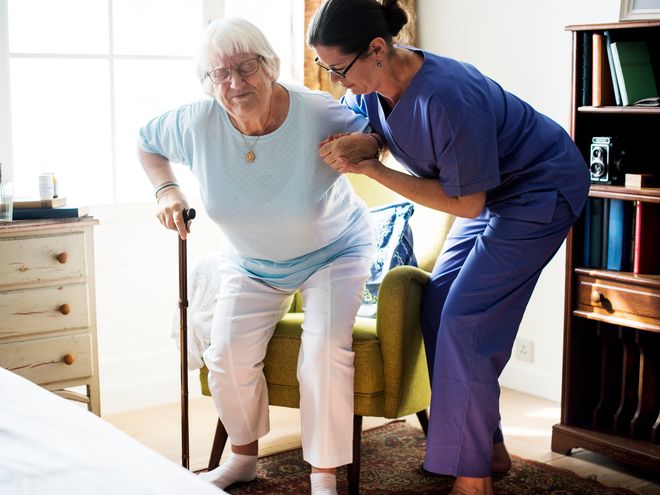
Care workers across the UK carry out physically demanding roles every day — supporting residents, assisting with mobility and responding quickly to changing needs. But whilst the care sector is built on compassion and dedication, the physical toll on those delivering care is often overlooked.
New research conducted by alsico, in partnership with Care England, highlights a gap between preparation and reality when it comes to workplace injuries.
Our findings show that 73% of care workers strongly agree they have received training to complete the physical aspects of their role safely. Yet, despite this, more than a quarter (28%) report having experienced an injury at work that required time off to recover. This disconnect suggests that training alone cannot fully address the physical demands placed on the workforce.
understanding the real impact of injuries
Workplace injuries in care settings affect far more than individual wellbeing. When staff members are forced to take time off, it can place additional pressure on already stretched teams, disrupt continuity of care, and contribute to longer-term retention challenges within the sector.
Younger care workers appear particularly affected. In the 25–34 age group, the proportion reporting injuries rises to 35%, suggesting that early-career professionals may be especially vulnerable to the physical realities of the role. Over time, repeated strain or unresolved injuries can lead some workers to reconsider their future in the sector altogether.
Addressing injury prevention is therefore not only a health and safety priority — it is also essential for maintaining a stable and supported workforce.
why training alone is not enough
Traditional manual handling and safety training remains important, but the research indicates that it should be part of a broader, more holistic approach. In real-world care environments, staff encounter unpredictable situations that require quick decision-making, teamwork and access to the right equipment.
)
the role of uniform design
Physical strain is not only influenced by training and equipment — what care workers wear every day also matters. The research found that 58% of respondents believe the fit of their uniform effects how well they can carry out their duties.
A care home uniform that restricts movement, lacks stretch or causes discomfort can increase fatigue across long shifts. Over time, this can contribute to strain, reduced mobility and potentially a higher likelihood of injury during physically demanding tasks.
According to Sara Catanzaro, design choices have a direct impact on how well garments support the wearer in practice.
listening to the workforce
A key insight from the research is that many care workers want to be involved in decisions that affect their day-to-day comfort and safety. Almost a third of respondents said they had been required to wear uniforms that did not fit properly, and one in five felt their employer did not act on feedback related to uniforms or working conditions.
Organisations that actively listen to staff and involve them in uniform selection often see better outcomes. As Angela Boxall highlights how collaborative selection processes have improved uniform procurement at Majesticare, improving physical comfort and reinforcing a culture where staff feel heard and valued.
Nobody wants to be uncomfortable at work, and this is worse when you don’t feel heard or that you can change the situation. At Majesticare, our uniform selection process is really collaborative for this very reason, we get the samples in and then we bring them to the team for honest, firsthand feedback on what works and gives them the flexibility, comfort and breathability to do their jobs in our care home environment. If that’s not a stage in your current selection process – it should be.
- Angela Boxall, CEO at Majesticare and Chair of Care England
practical steps to reduce injuries in care settings
The research points to several practical actions care providers can take to better support their teams:
- Introduce regular refresher training with realistic, scenario-based learning
- Ensure lifting and support equipment is well maintained and accessible
- Encourage transparent reporting of injuries and near misses
- Involve staff in reviewing processes and identifying safer ways of working
- Invest in uniforms designed to support movement, comfort, and long shifts
- Gather ongoing feedback from teams and act on it visibly
Many of these changes are achievable without large-scale investment, but they require consistent communication and a willingness to adapt based on staff experience.

creating safer workplaces for the future of care
The care sector depends on a workforce that is physically capable, supported and able to perform their role safely over the long term. Reducing injuries is not just about preventing short-term absences — it is about protecting careers, improving retention and ensuring high-quality care continues to be delivered.
By combining effective training, better equipment, thoughtful uniform design, and genuine staff engagement, organisations have a clear opportunity to make meaningful improvements. Supporting the physical wellbeing of care workers ultimately strengthens the entire sector — and the people who rely on it every day.

supporting care workers with the right uniform
At alsico, uniforms are more than just a dress code — they are a vital tool in keeping care workers safe, comfortable, and able to perform their duties effectively. We work closely with care home teams to design uniforms that prioritise movement, breathability, and comfort, ensuring staff can carry out physically demanding tasks with less strain.
By gathering feedback from the people who wear them every day, like this report, alsico creates garments that actively support wellbeing, reduce fatigue, and help prevent injuries.
Investing in uniforms that fit well and move with the wearer is a simple, yet highly effective, step towards safer, more sustainable care environments.
healthcare environments we provide uniforms for
healthcare providers
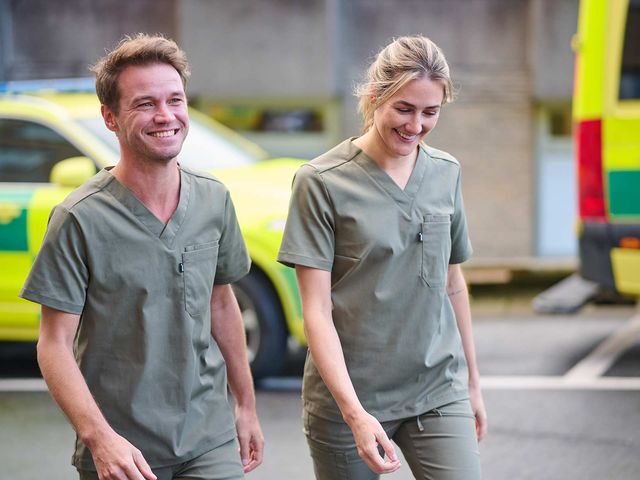
Mobility, total hygiene and comfort. The high demands of an operating theatre are reflected one by one in our clean-air healthcare tunics and healthcare trousers.

healthcare science
From support areas to research labs, our healthcare garments uphold the highest standards, ensuring consistency and excellence throughout your healthcare sciences.

support services
Ensuring your entire operation is clothed in the very best, our workwear solutions for non-clinical areas ensure a consistent and high-quality result for your business.

business administration
Our range embodies a perfect blend of style and durability and meets the needs of the workplace environment. Experience the transformation our office wear solutions can bring to your role.

food services
Food preparation in a healthcare environment demands superior quality, high durability, and comfort for long shifts in the kitchens.
contamination control
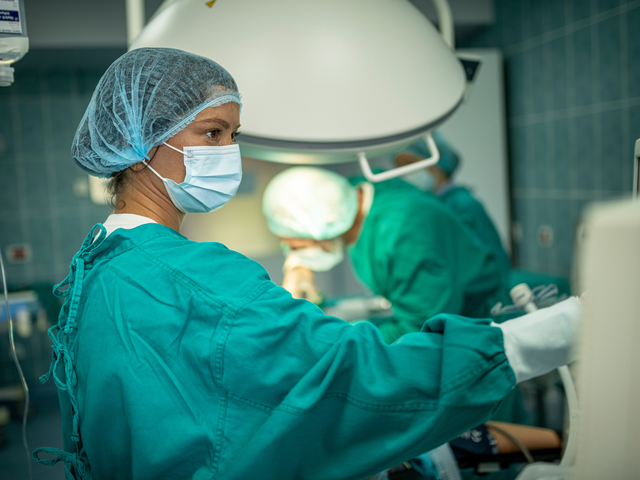
When the height of safety is required, our healthcare garments for high-demand areas are made to perform.
contact us
