





September 9, 2026
Cleanroom classifications systems: ISO, EU GMP Annex 1 and US FED Standards
Controlled environments are essential in high-precision and high-risk industries. To ensure consistent contamination control, different classification systems are used depending on the sector and its specific risks.
)
ISO Standards (ISO 14644) – General Cleanroom Classification
ISO 14644 is the internationally recognised standard for cleanroom classification across multiple industries, including pharmaceuticals, semiconductors, aerospace, and advanced manufacturing.
The standard classifies cleanrooms according to the maximum allowable concentration of airborne particles per cubic metre, ranging from ISO Class 1 to ISO Class 9. Its primary focus is on particle contamination control and does not specifically address microbiological contamination such as bacteria or fungi.
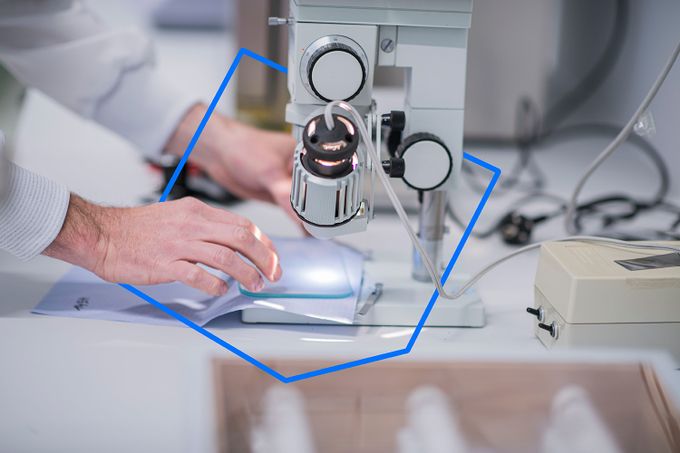
Because particle control is essential in these environments, cleanroom garments play a crucial role in limiting the release of particles generated by the wearer. We validate the particle containment performance of our garments using our dedicated Body Box and testing facilities. By simulating real-life movements under controlled conditions, we can measure particle emission and evaluate garment performance, ensuring our cleanroom solutions meet the stringent requirements of ISO-classified environments.
US FED-STD Classes – Electronics & Semiconductor Industry
The US Federal Standard (FED-STD-209E) classification system is traditionally used in the electronics and semiconductor industry.
Similar to ISO standards, it focuses on particle concentration in the air, but uses a different classification scale (e.g., Class 1, 10, 100, 1,000, etc.), referring to the number of particles per cubic foot.
These cleanrooms are essential in environments such as:
- semiconductor manufacturing
- microelectronics assembly
- precision component production
We design and manufacture cleanroom garments with integrated static control solutions, such as carbon-based conductive fibres, designed to help dissipate electrostatic charges and reduce the risk of uncontrolled discharge.

EU GMP Annex 1 Grades – Pharmaceutical Sterility Control
The EU GMP Annex 1 classification is specifically designed for the pharmaceutical industry and sterile manufacturing environments.
Unlike ISO standards, Annex 1 does not only focus on particles, but also on micro-biological contamination, such as bacteria and viable organisms. This makes it significantly more strict in terms of sterility requirements.
The system defines cleanroom grades (A, B, C, D), which are used to ensure the sterility of medicines, injectables, and other high-risk pharmaceutical products.
Because patient safety is the primary concern, Annex 1 places strong emphasis on:
- sterile processing environments
- aseptic handling procedures
- contamination control of both particles and microorganisms
Cyclop®
An award-winning innovation
for cleanroom environments
In cleanrooms around the world, people work on innovations that improve our lives. However since Annex 1 requires that facial skin should be covered at all times, the working circumstances inside those cleanrooms have become even more challenging.
Don’t you agree these people deserve an innovation that improves their working lives?


Cleanroom Standards Explained
While all three systems aim to control contamination, they differ in focus and application. ISO standards provide a global framework for cleanroom classification based on airborne particle levels. EU GMP Annex 1 goes further by combining particle control with strict requirements for microbiological contamination, ensuring sterility in pharmaceutical manufacturing. US FED-STD, on the other hand, is primarily used in the electronics and semiconductor industry, where precise particle control is critical to protect sensitive components. Together, these classification systems form complementary industry-specific frameworks that safeguard product quality, ensure safety, and support reliable, high-precision manufacturing processes in controlled environments.
ready to elevate your cleanroom garments?
Speak to our cleanroom specialists
30 years of validated performance, trusted by the world’s leading cleanroom industries
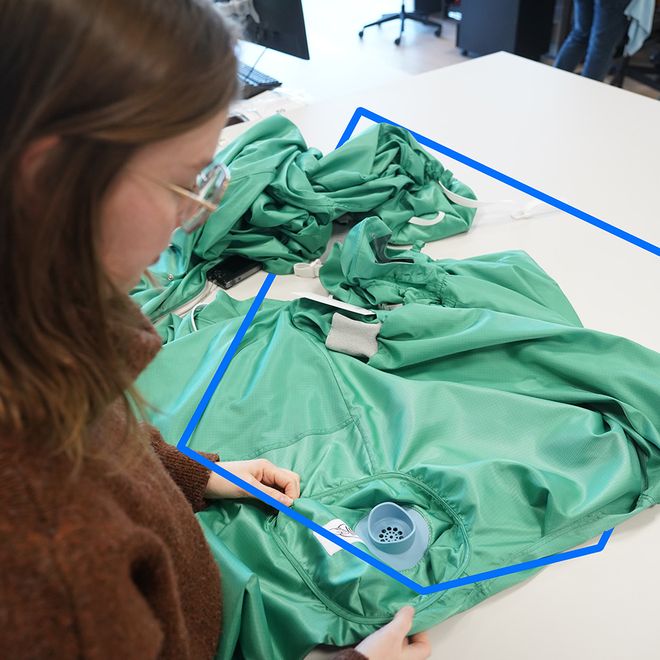
In every cleanroom, people are the greatest potential source of contamination. Even the simple act of moving releases microscopic particles, fibers, and electrostatic charges that can compromise sensitive processes or products.
With over 30 years of expertise, we design and produce high-performance cleanroom garments that set new standards in contamination control and regulatory compliance.
Prefer to reach out directly?
If you’d like to speak with someone straight away, you’re welcome to contact any of our account managers.
-

contamination control specialist DACH & Southern Europe
Fabian Dambacher
Tel. +32 55 27 06 30 -

contamination control specialist Central & Eastern Europe
Wolfram Schmidt
Tel. +32 55 27 06 30 -

contamination control specialist Northern Europe
Isabelle Colin
Tel. +32 55 27 06 30 -

contamination control specialist Benelux
Caroline Merchez
Tel. +32 55 27 06 30 -

contamination control specialist Switzerland
Frédéric Buehler
Tel. +32 55 27 06 30


