

August 24, 2026
When to wear high-visibility clothing?
High-visibility clothing is an essential part of workplace safety, helping workers stay visible in hazardous or low-light conditions. Whether you're working near traffic, operating heavy machinery or responding to emergencies, wearing the right garments can help reduce the risk of accidents and injuries while ensuring you're visible when it matters most.
From construction sites and roadworks, to railways, airports and emergency response teams, the right wearer protection can mean the difference between safety and danger.
In this guide, we’ll explore the key industries and situations where high-vis clothing is essential, explaining how it works and why it’s a legal requirement in many sectors.
Read on to learn when to wear high-visibility clothing and how to ensure compliance with industry safety standards.
What is high-visibility clothing?
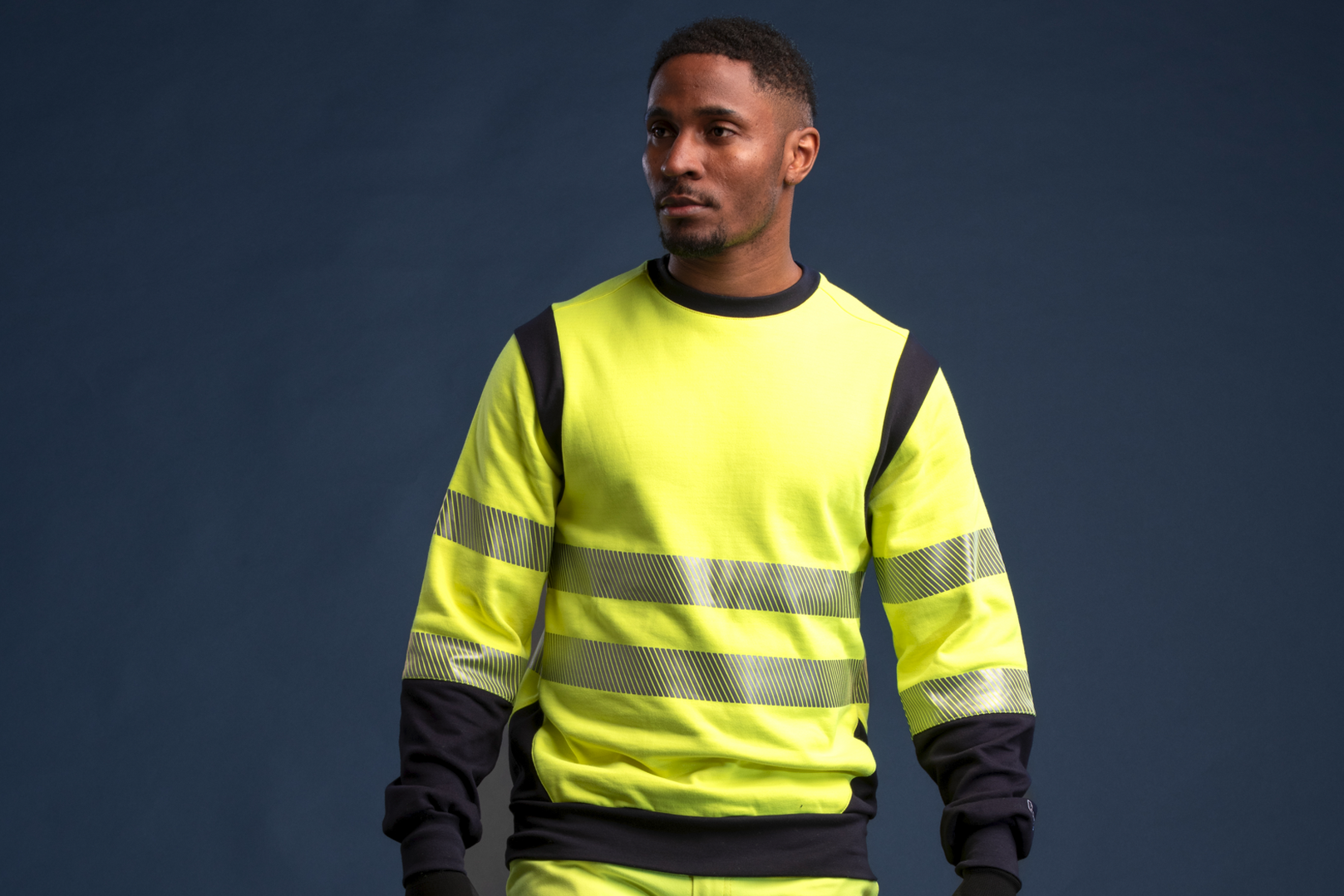
High-visibility clothing is specialised workwear designed to help keep workers visible in low-light conditions and hazardous environments. By improving visibility, it helps reduce the risk of accidents where workers are exposed to moving vehicles, machinery or other workplace hazards.
High-visibility clothing is available in a range of garments, including vests, jackets, trousers and coveralls. These garments are designed to provide comfort, durability and visibility throughout the working day, even in demanding environments.
)
How does high-visibility clothing work?
High-visibility clothing combines two key features to help workers stay visible in different lighting conditions: fluorescent materials and reflective strips. Together, they improve visibility during both the day and at night.
- Fluorescent materials, usually in bright yellow or orange, absorb ultraviolet (UV) light and re-emit it as visible light. This makes the fabric appear brighter during daylight and in low-light conditions, such as at dawn or dusk.
- Reflective strips reflect light back towards its source, such as vehicle headlights or flashlights. This makes the wearer easier to see in darkness or poorly lit environments, helping them stand out from their surroundings.
Why wear high-visibility clothing?
High-visibility clothing helps workers stay visible where they may be exposed to moving vehicles, machinery or low-light conditions. By improving visibility, it helps reduce the risk of workplace accidents and injuries.
In many industries, wearing high-visibility clothing is also a legal requirement, helping employers meet workplace safety regulations.
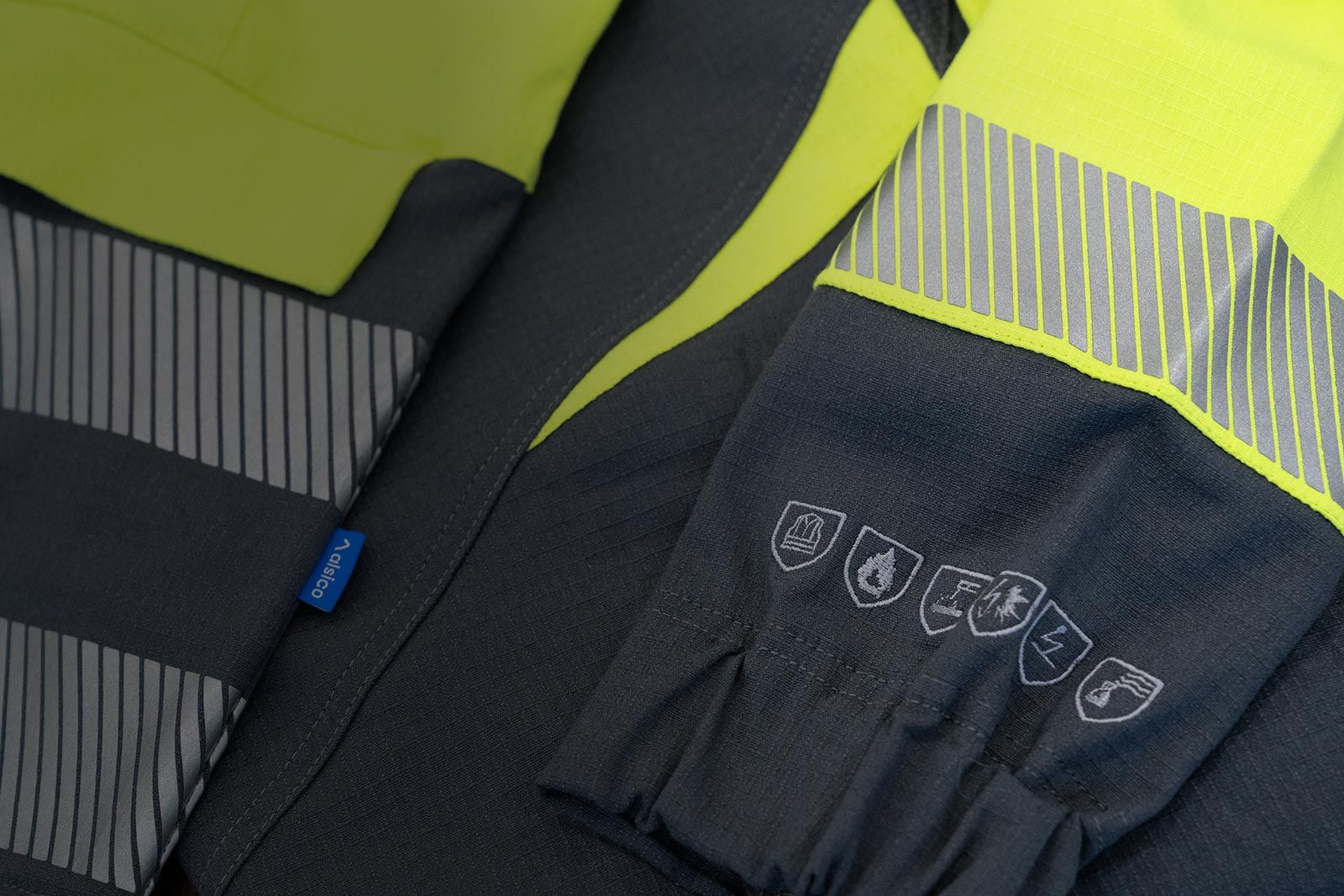
EN ISO 20471 is the European standard for high-visibility clothing. It classifies garments into three classes based on the minimum amount of fluorescent and retroreflective material they contain.
- Class 1 (Lowest visibility) includes garments such as high-visibility trousers. These are worn separately and provide the lowest level of visibility.
- Class 2 (Medium visibility) includes garments such as high-visibility sleeveless vests. As they are worn on the upper body, they provide greater visibility than Class 1 garments.
- Class 3 (Highest visibility) provides the highest level of visibility. This can be achieved by wearing a certified Class 3 garment, such as a coverall, or by combining jointly certified garments that together meet the EN ISO 20471 requirements.
)
When is high-visibility clothing required?
High-visibility clothing should be worn whenever workers are exposed to moving vehicles, machinery or low-light conditions. In many industries, it is also a legal requirement under workplace safety regulations. Common situations include:
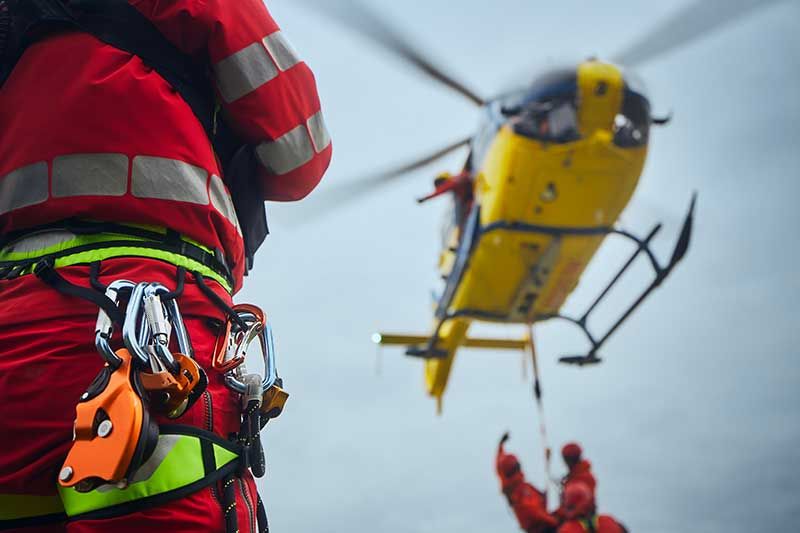
Emergency response situations
High-visibility is indispensable in emergency responder uniforms, including those for police officers, firefighters, and paramedics. The high-vis features help to ensure their safety and effectiveness in critical situations.
These professionals operate in high-risk, fast-paced environments such as accident scenes, fires, and hazardous areas where visibility is crucial. Bright colours and reflective materials allow them to be quickly identified by fellow responders, bystanders, and drivers especially in low-light or chaotic conditions.
Utilities work
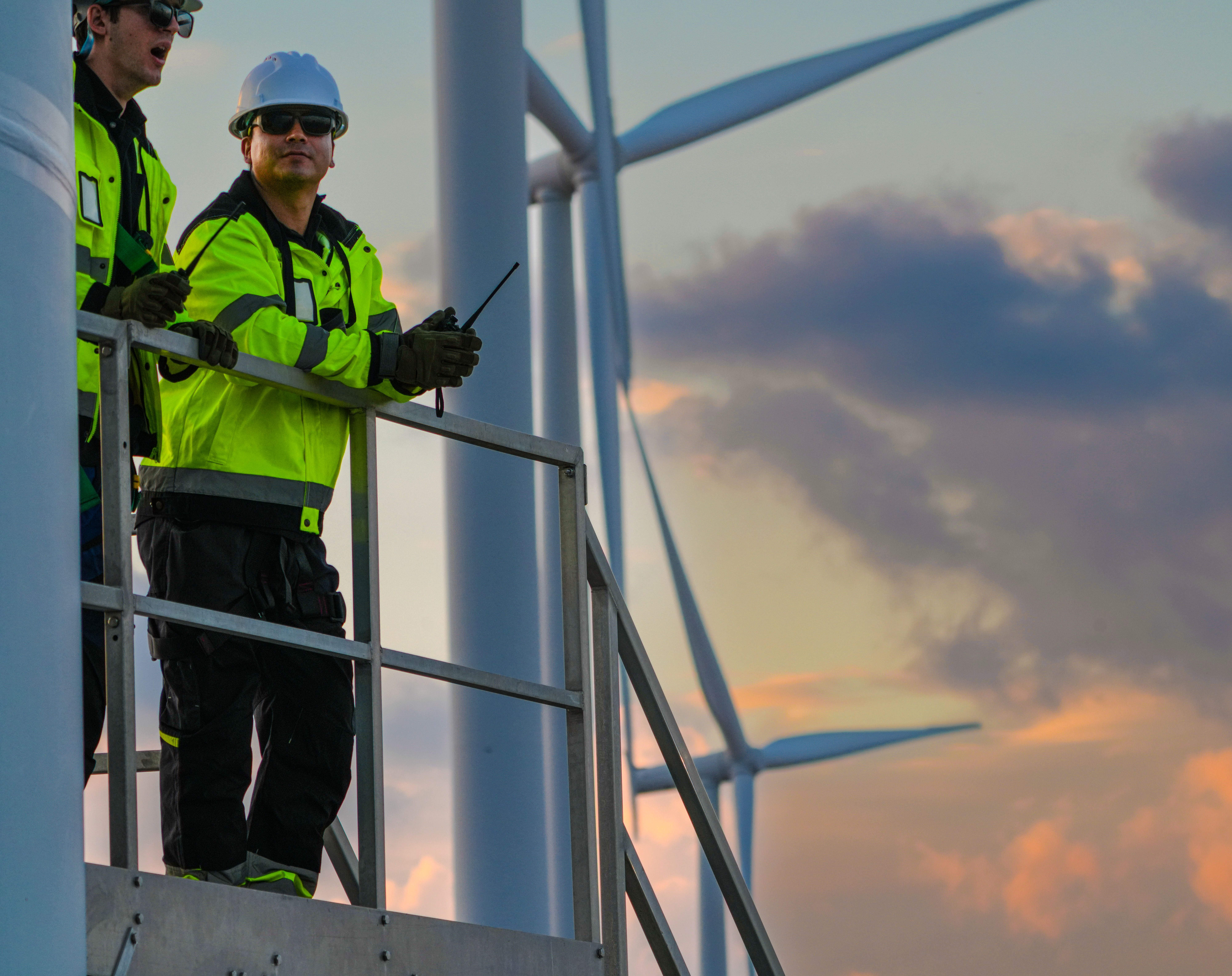
Workers in the utilities sector, including those needing uniforms for electricity, water, gas, or telecommunications, depend on high-visibility workwear for safety in hazardous environments.
These professionals often work near busy roads, in confined spaces, or around heavy machinery and traffic. High-vis uniforms ensure they remain visible to drivers, colleagues, and equipment operators, helping to reduce the risk of accidents especially in low-light conditions or poor weather and enhance overall job site safety.
Roadwork sites
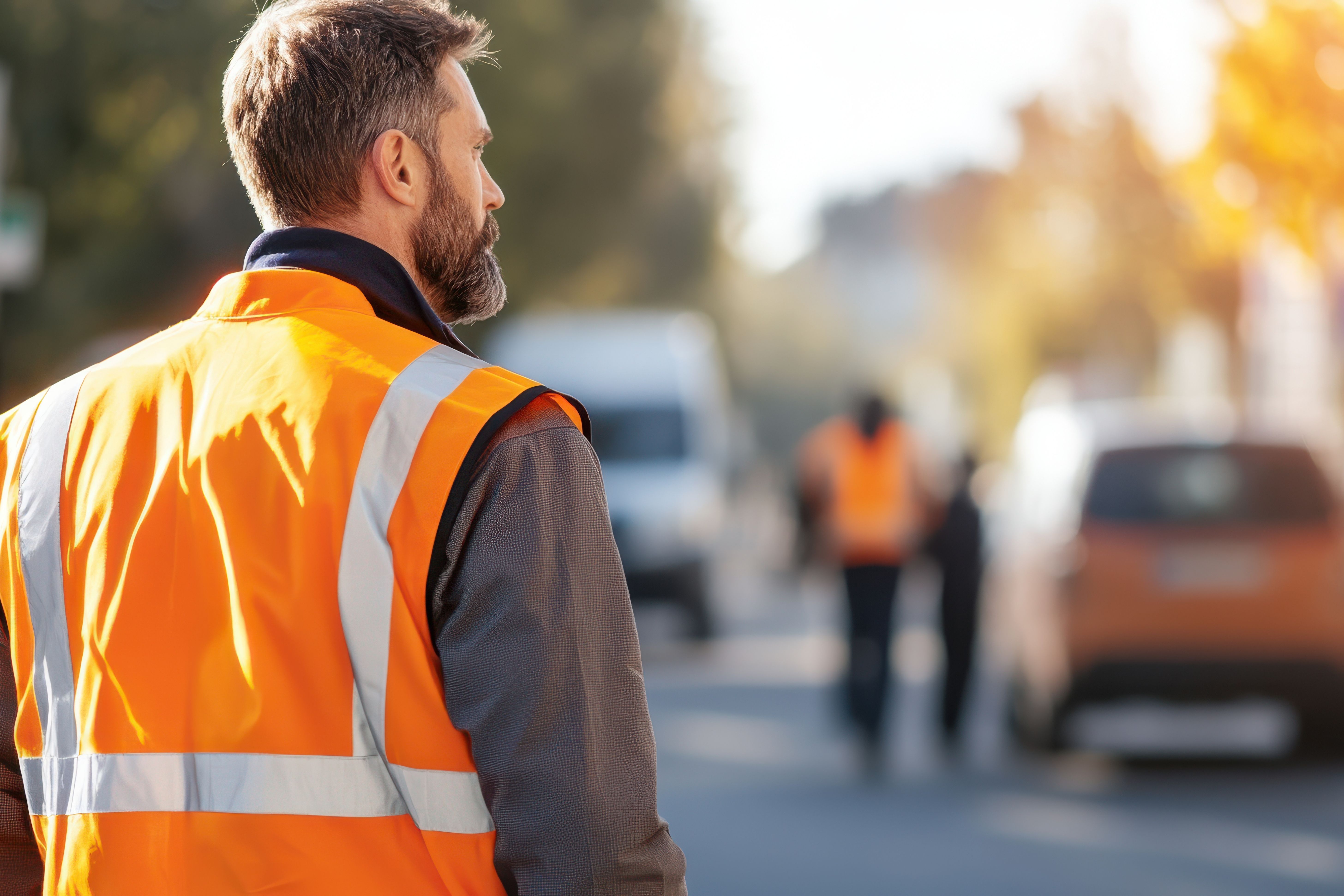
Road workers need to wear high-visibility clothing when positioned near live traffic and moving vehicles.
Roadwork sites involve heavy machinery, fast-moving cars, and low visibility especially during night shifts or adverse weather. Bright, reflective garments make workers highly visible to drivers, giving them ample time to react and avoid hazards, helping to significantly reduce the risk of accidents and collisions.
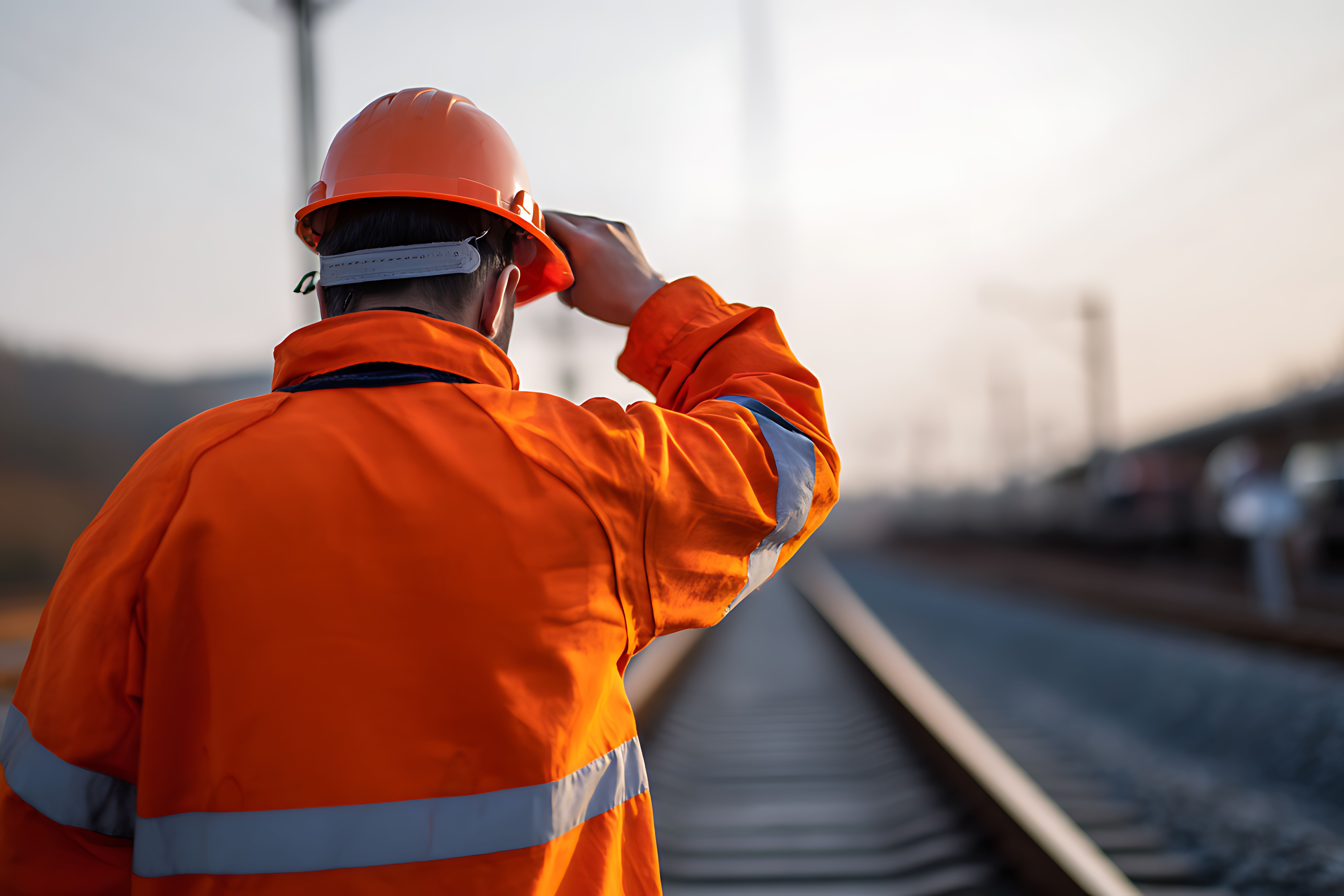
Railways
Similar to roadworks, in the rail industry, high-vis clothing is critical for protecting workers from the significant dangers posed by moving trains and heavy machinery.
Railway environments are fast-paced and can involve poor lighting or adverse weather conditions, making it difficult for train operators and other workers to spot individuals near the tracks. High-visibility uniforms, typically in orange, ensure workers remain highly visible, allowing train drivers and colleagues to react quickly and to help reduce the risk of accidents.
Construction sites
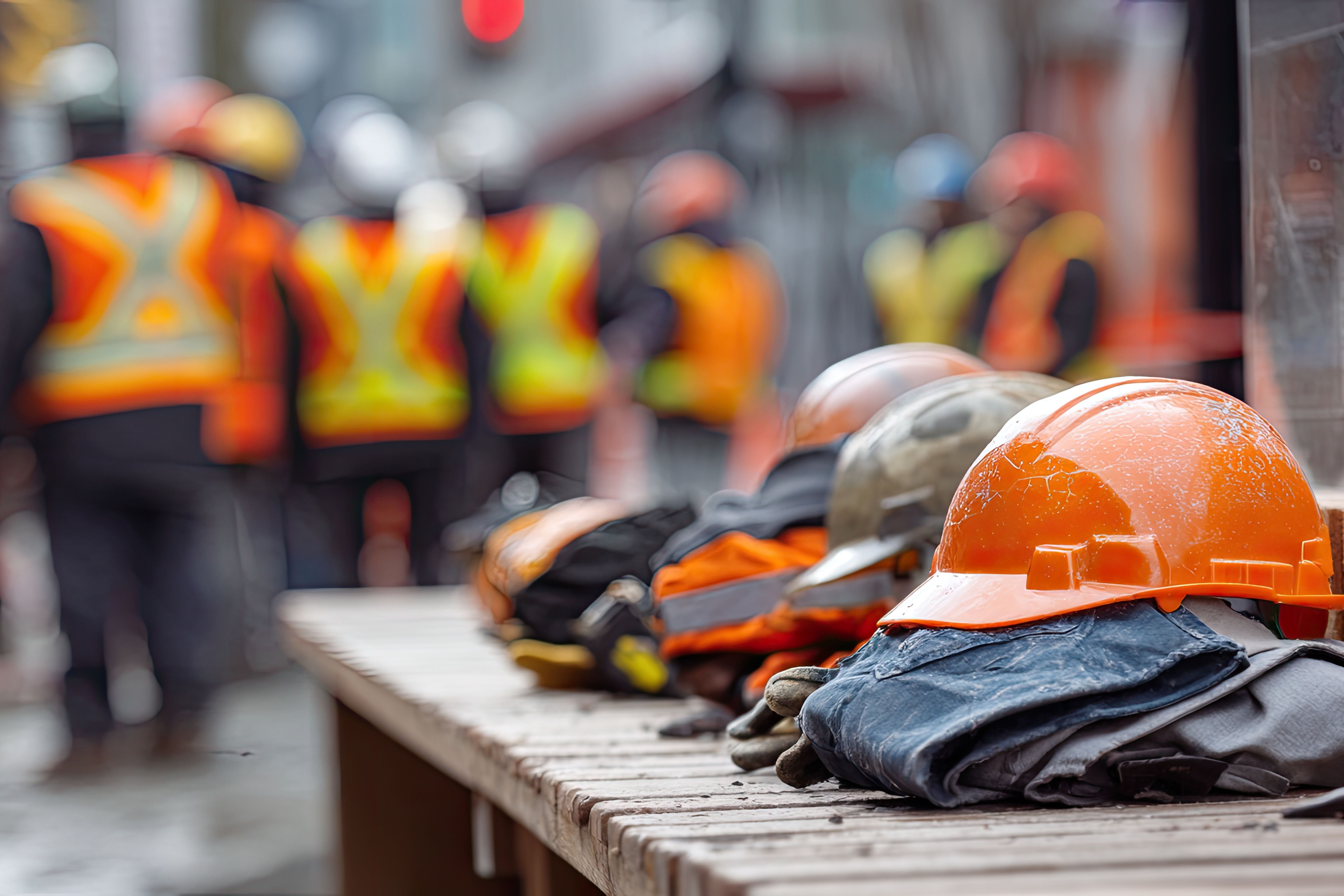
High-visibility is essential in the construction industry to help enhance worker safety in high-risk environments where clear visibility is crucial.
Construction sites are often busy and hazardous, with heavy machinery, moving vehicles, and multiple workers operating under various conditions including low light, poor weather, and areas with limited visibility. High-visibility clothing ensures that workers are easily seen by equipment operators, drivers, and colleagues, helping to reduce the risk of accidents such as collisions or being struck by objects.
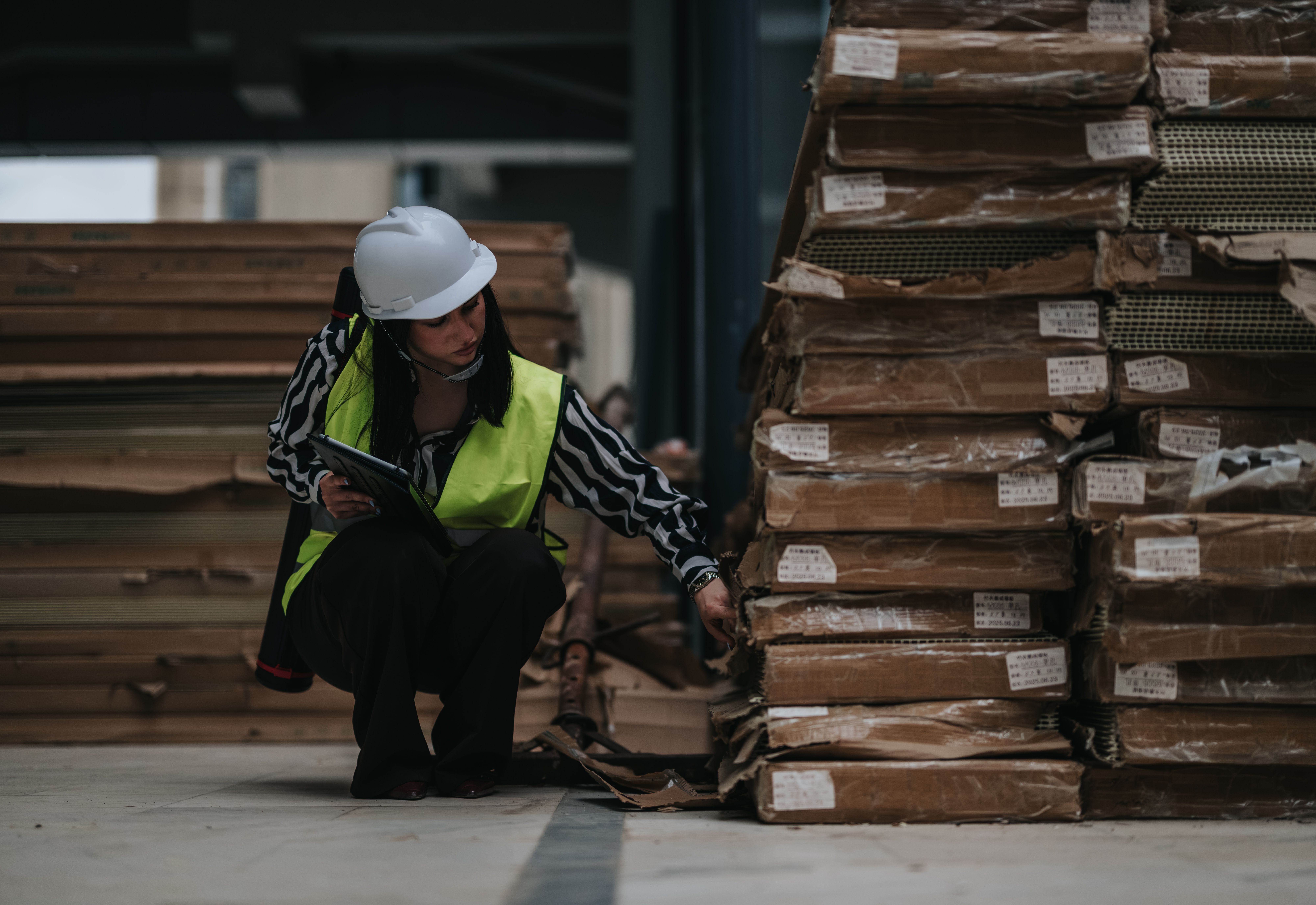
Warehouses and factories
In the manufacturing industry, high-vis workwear plays a crucial role in worker safety, especially in environments with heavy machinery, equipment, and moving vehicles.
Manufacturing facilities, such as warehouses and factories, often have complex layouts, dimly lit areas, and high-traffic zones, making it essential for workers to remain visible to machine operators and colleagues. Wearing high-visibility garments could reduce the risk of accidents, such as being struck by equipment or vehicles, and enhance emergency response by ensuring workers can be quickly identified.
Airports
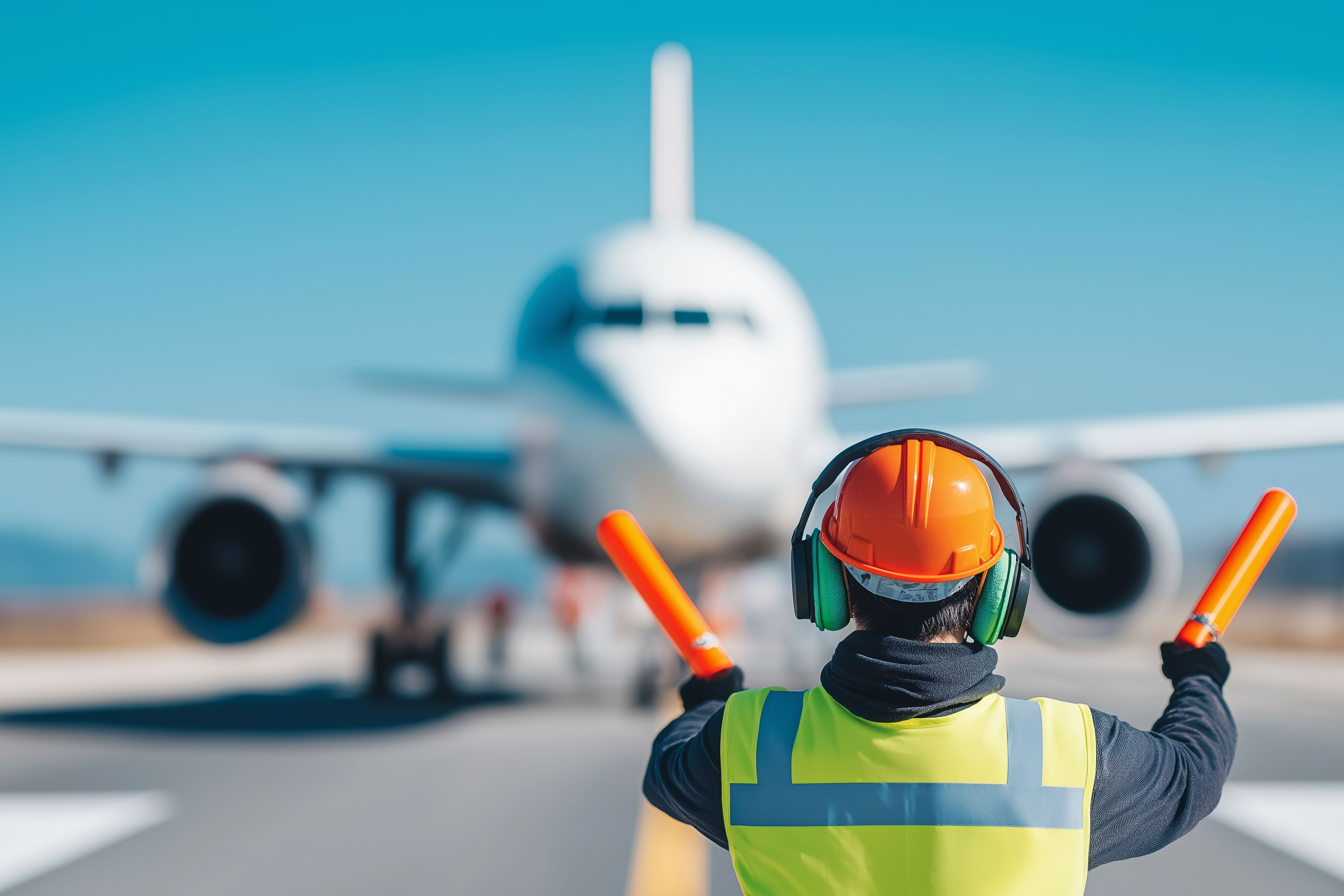
At airports, high-visibility is essential for worker safety in high-traffic areas where clear visibility is critical.
Airports are complex environments with moving vehicles, aircraft, and heavy machinery, often operating outside in low-light conditions or at night. High-visibility vests and jackets enable workers to be seen by pilots, vehicle operators, and other personnel, helping to reduce the risk of accidents and collisions.
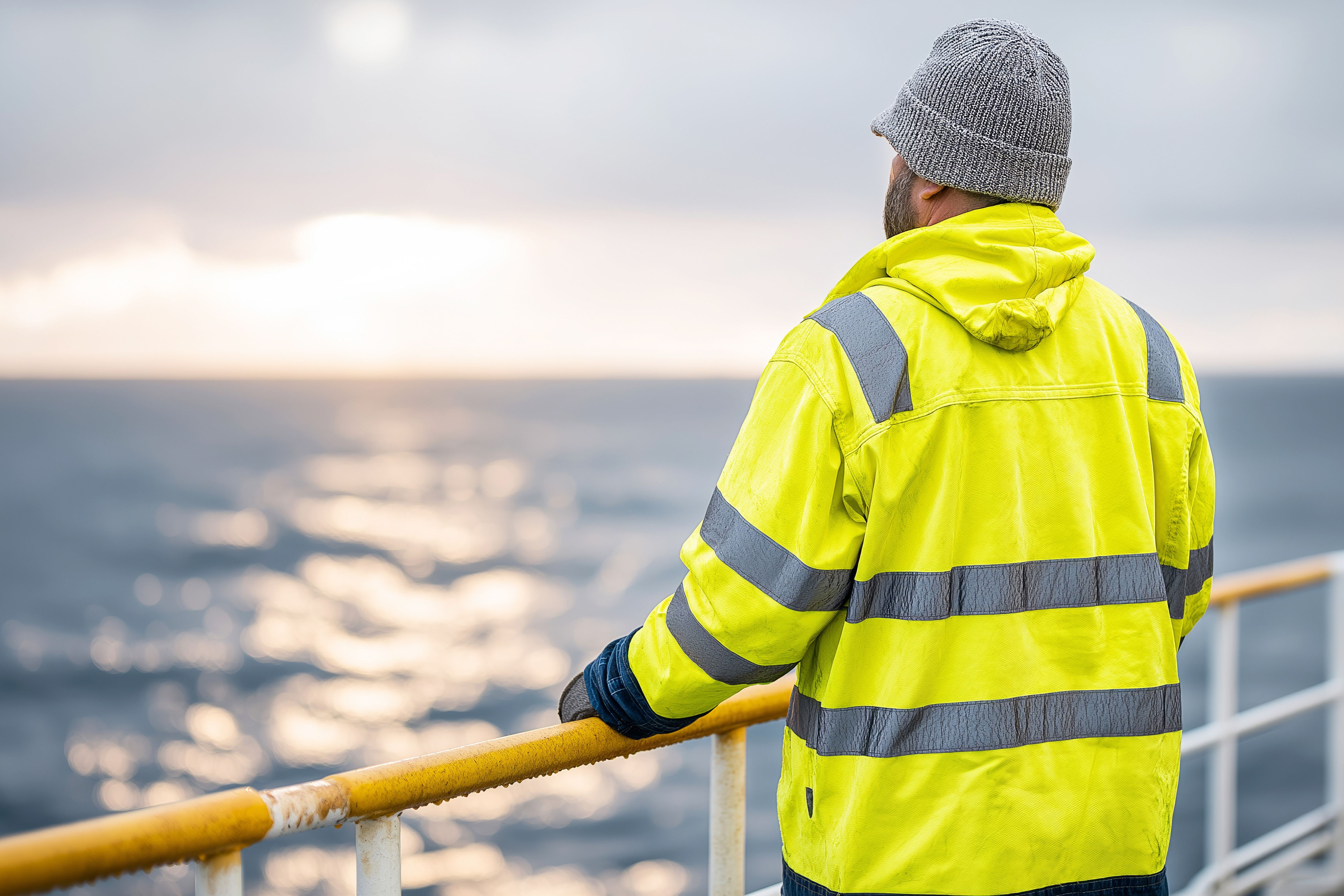
Ships, boats and oil rigs
The maritime industry, including ships, oil rigs, and fishing operations, relies on high-vis workwear to protect workers in challenging and often hazardous environments.
Many maritime activities occur in low-light conditions, such as during night shifts, fog, or stormy weather, where visibility is crucial for preventing accidents. High-visibility clothing helps workers stand out, making them easily recognisable, even from a distance.
)
Why choose alsico high-visibility clothing?
At alsico, we design high-visibility clothing for professionals working in demanding environments where visibility is essential. Our garments combine comfort, durability and certified protection to help workers stay visible throughout the working day.
Our range includes everything from polo shirts and sweatshirts to jackets, trousers and coveralls, making it easy to find the right solution for different industries and working conditions. Whether you work in construction, roadworks, manufacturing or emergency services, our garments are designed to provide lasting comfort without compromising visibility.
All alsico high-visibility garments comply with recognised safety standards, including EN ISO 20471. This helps employers choose workwear that supports both worker safety and regulatory compliance.
Explore our range of high-visibility clothing and discover garments designed to perform in challenging working environments.
Whether you're looking for high-visibility clothing for construction, manufacturing, logistics or emergency services, alsico offers certified garments designed for comfort, durability and protection.
We are dedicated to delivering reliable and innovative safety solutions, helping businesses safeguard their greatest asset - their people. Whether you need bespoke workwear, branded embroidery services, or ready-made garments, contact us today to discover how we can support your safety needs.
Need help choosing the right high-visibility clothing?
You might also want to read



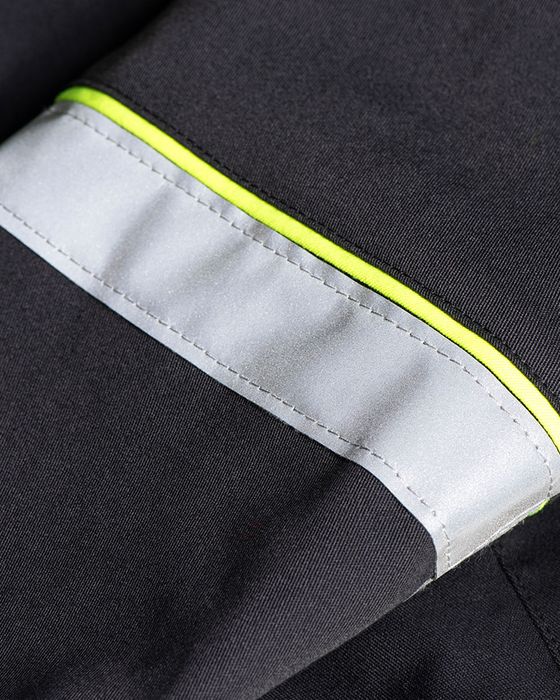
Alsico advances circular hi-vis workwear with breakthrough recovery of reflective glass beads
Read more
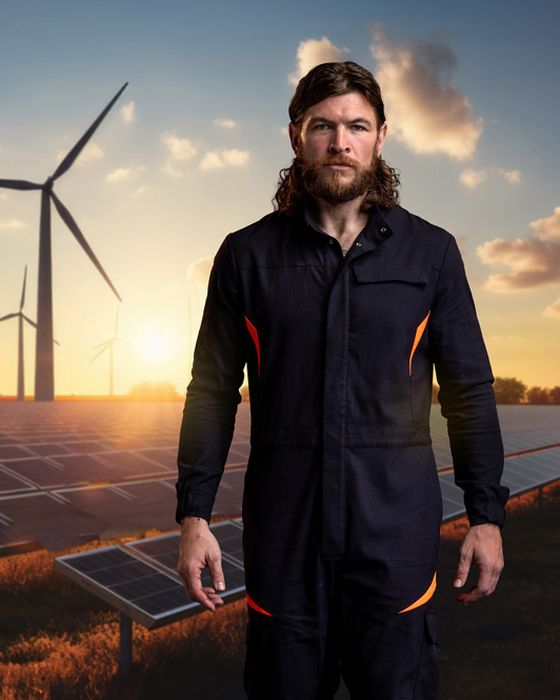
Protection matters: how a lightweight stretch can deliver heavy protection
Read more
Alsico partners with Sixone to trial groundbreaking circular fabric solution
Read more