


March 3, 2026
when should PPE be used in the workplace?
Personal protective equipment (PPE) is often the last thing people think about on a busy shift, yet it plays a crucial role in keeping staff safe. PPE is required whenever a hazard could still harm someone after other controls have been applied.
This explainer outlines the situations where PPE is needed, when to use PPE across different workplaces, and how it fits into wider risk control.
why PPE exists and where it fits into risk control
PPE is used to protect people from hazards that can’t be removed or fully controlled by other measures. Most health and safety frameworks follow a “hierarchy of control” model. PPE sits at the end of that hierarchy because it protects the individual rather than removing the risk itself.
Even though it is a final layer, it’s still essential. If standard controls such as engineering improvements, safer processes or training can’t reduce a risk enough, PPE helps to reduce harm from:
- Contact with heat, cold, chemicals or biological agents
- Impact or abrasion
- Noise, dust or airborne materials
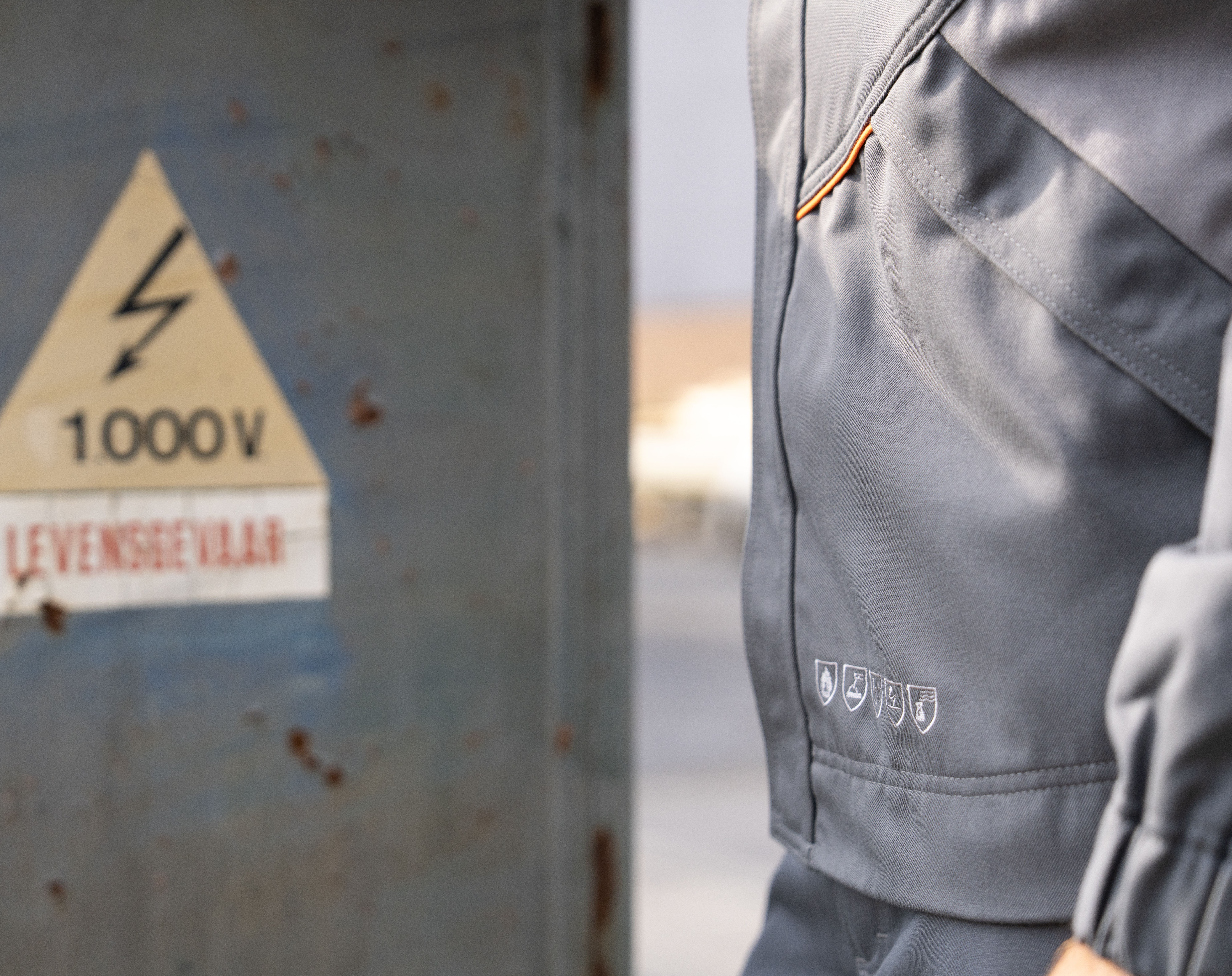
- Electrical hazards such as arc flash
- Sharp tools or moving machinery
Deciding when PPE should be worn depends on identifying the risks that remain after engineering or procedural controls.
when should PPE be used in the workplace?
Workers should use PPE whenever a risk assessment shows that a hazard could injure or harm someone despite other controls being in place. In practice, PPE is required when:
1. A task exposes someone to direct physical or environmental hazards
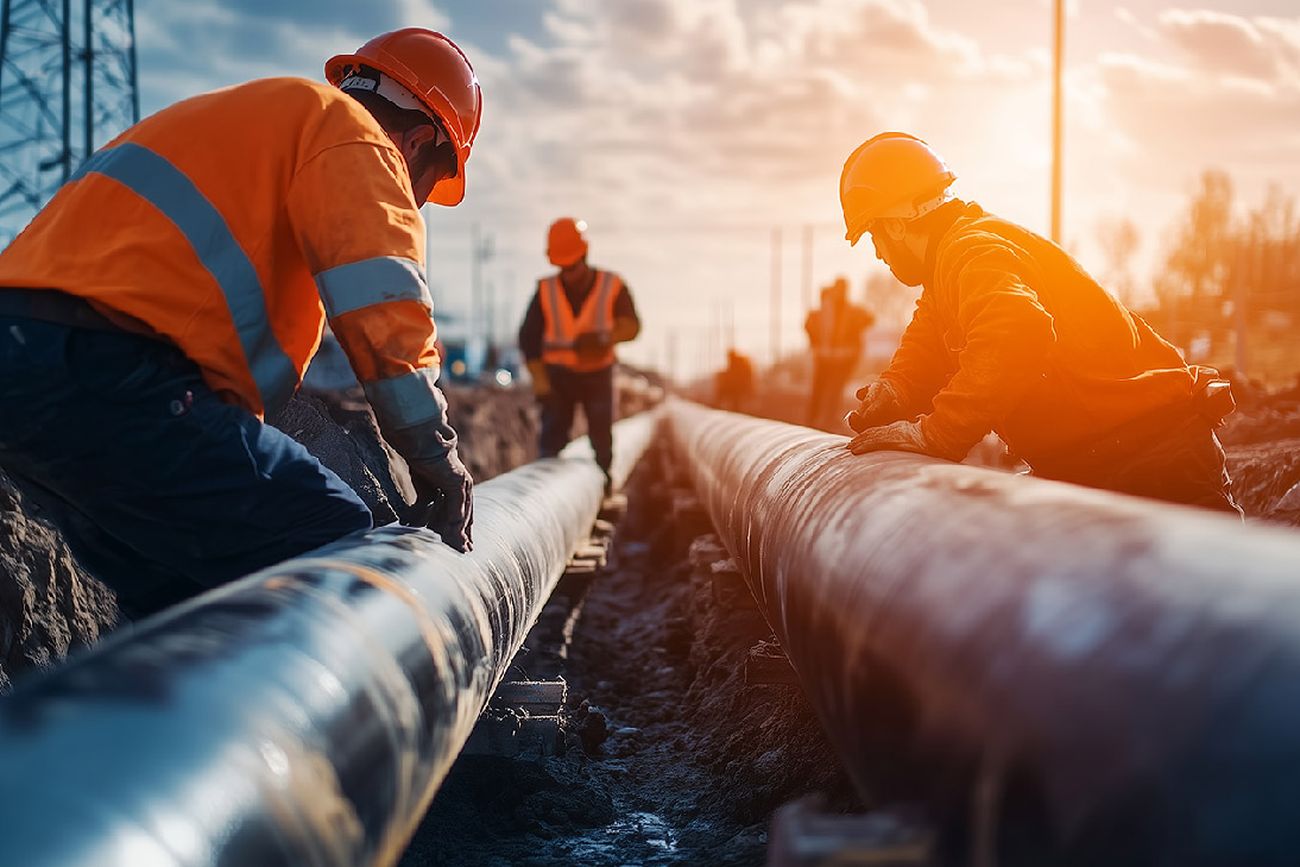
This includes hot surfaces, welding sparks, corrosive chemicals, sharp edges, cold rooms, or contact with biohazards. PPE clothing may include gloves, aprons, coveralls, face protection, or specialist fabrics designed to resist heat or chemicals.
2. A workspace has airborne risks
Dust, fibres, fumes or droplets are common in manufacturing, laboratories, healthcare settings, food production and construction. Adequate respiratory protection, eye protection and protective clothing help stop exposure.
3. There is a chance of impact, slips or falling objects
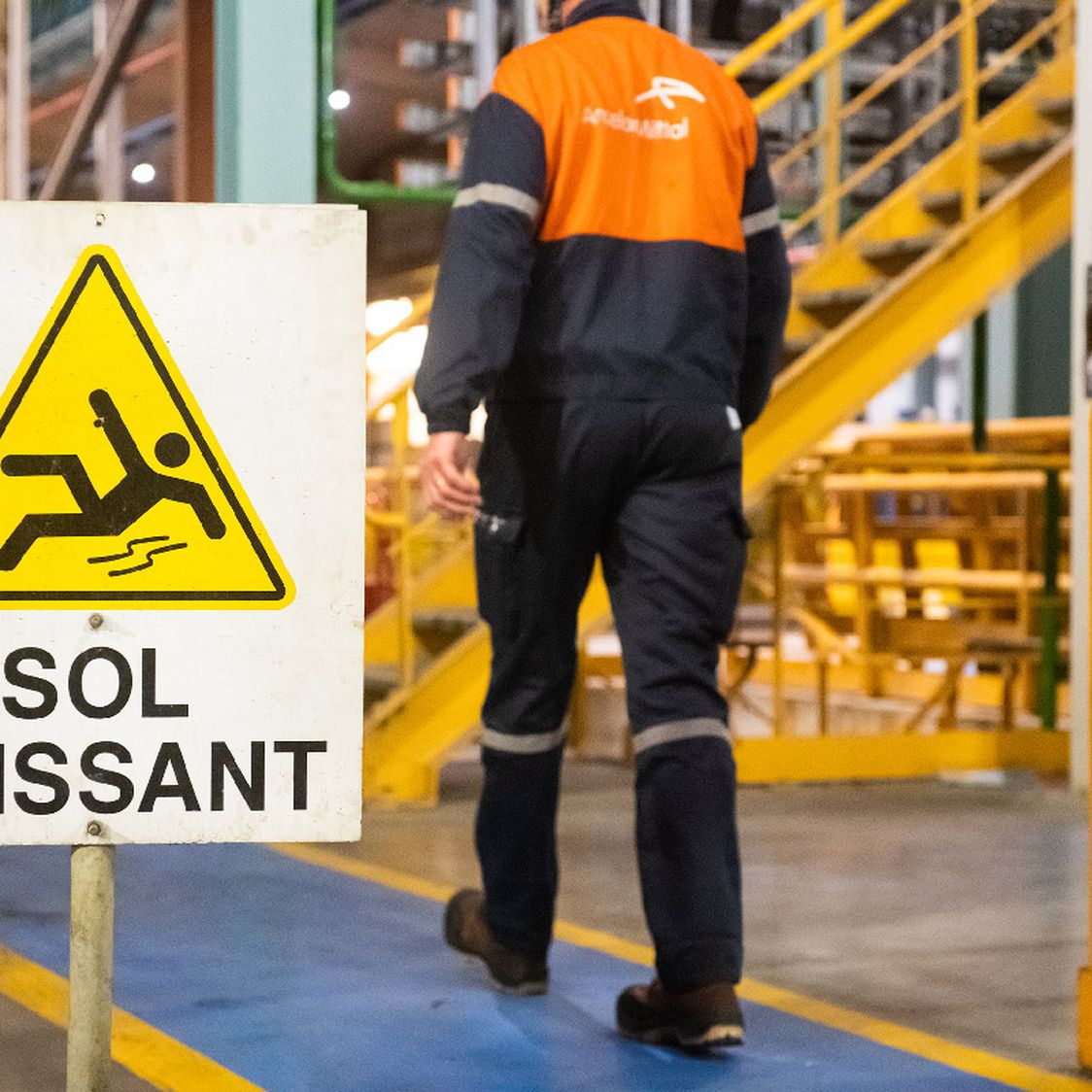
Safety footwear, bump caps and head protection help reduce injuries from dropped tools, moving equipment, or busy warehouse traffic.
4. Noise levels exceed safe limits
Hearing protection is used when noise can’t reasonably be reduced by engineering controls or changing the work process.
5. Electrical hazards remain after other controls are applied
In electrification and utilities roles, workers might need specialist PPE that resists heat, flame or arc flash energy. The exact requirements depend on a detailed risk assessment and the tasks carried out.
6. Job roles require contamination control or hygiene protection
Healthcare uniforms, lab coats, cleanroom garments are used when workers need to limit contamination or protect themselves from infectious materials.
7. Weather or environmental exposure presents risks
Outdoor teams may require high-visibility clothing, waterproof layers, insulated garments or sun protection depending on conditions.
In every case, use of personal protective equipment supports workers by providing a protective barrier against hazards that can’t be avoided any other way.
)
why is it important to wear PPE?
PPE only protects if people wear it correctly and consistently. Knowing when PPE should be worn helps teams avoid preventable injuries, support safe systems of work, and meet legal requirements.
The importance of PPE comes down to three facts:
- It reduces the severity of injuries when accidents happen.
- It provides a practical barrier when a hazard cannot be removed.
- It supports legal compliance for both employers and workers.
Any employee who fails to wear PPE isn’t only putting themselves at risk. Their actions can also compromise team safety, delay operations and lead to enforcement action by regulators.
what employers must do
Employers also have responsibilities that support safe and consistent PPE use throughout the workplace.
Carry out risk assessments
Before choosing any PPE, employers must identify the hazards in each task and decide where risks remain after other controls are in place. A clear risk assessment shows which workers are exposed, what could go wrong, and what level of protection is needed. This allows you to then select suitable PPE.
Provide suitable PPE at no cost to employees
Workplaces must supply PPE free of charge and ensure it genuinely protects against the hazards identified. That includes selecting garments, footwear and equipment made from the right materials and checking that they meet relevant standards. Employers should make sure replacement items are available without any delays.
Ensure PPE fits well, is comfortable, and suits the work
Ill-fitting or uncomfortable PPE is unlikely to be worn consistently. Employers should consider different sizes and body types so staff can move freely. In some cases, gender-specific PPE may offer a better fit. Fit checks, wearer trials and feedback sessions help confirm that PPE supports rather than hinders day-to-day tasks.
Offer training on how to wear, adjust and maintain PPE
Training should cover how to put PPE on, take it off, adjust it correctly, and how to check for damage. PPE does not last forever, and workers should know the limits of their PPE and when to change it. Good training helps people understand why wearing PPE in the workplace is important.
Replace worn or damaged PPE promptly
PPE becomes less effective as it ages. Employers must check PPE regularly and replace items that are damaged, worn or past their recommended lifespan. This includes garments that have been exposed to chemicals, repeated washing cycles, or heavy wear that affects their protective qualities.
choosing the right PPE clothing
Choosing PPE always comes back to the risk assessment. Good PPE clothing should:
- Match the type and level of hazard
- Fit properly and allow full movement
- Work alongside any other PPE worn at the same time
- Remain comfortable enough for long shifts
- Withstand normal wear, laundering and cleaning
Fit matters as much as protection. Poorly fitted PPE can shift, expose skin or restrict movement, which can introduce new hazards. When teams help choose garments, they tend to wear them more reliably.
integrating PPE into day-to-day work
PPE works best when workplaces make it part of routine practice rather than an afterthought. That includes:
- Storing PPE where it’s easy to reach
- Keeping spare items close to critical zones
- Checking PPE before each use
- Reporting damaged or worn items
- Replacing items according to the manufacturer’s guidance
Teams should feel comfortable and confident to ask for better-fitting garments or to raise concerns when PPE doesn’t suit the task. This feedback improves protection and helps organisations meet their duties.

frequently asked questions
Not always. PPE is required when a risk assessment shows that remaining risks can still harm someone after other controls are in place. If a hazard can be removed or reduced through engineering or process changes, that comes first.
No. PPE supports safe systems of work but never replaces them. Training, supervision, and engineered controls remain the primary defences.
Any item worn to protect the wearer: gloves, safety footwear, eye protection, respiratory protection, high-visibility garments, coveralls, aprons, head protection or specialist protective fabrics.
Yes. Employers must provide suitable PPE, but workers must wear it as instructed. This is usually a legal duty and part of workplace policies.
Speak with Alsico today for guidance on suitable PPE clothing and workwear & uniforms for your environment.
