


27 January 2026
arc flash clothing standards explained
If you work on or around live electrical systems, arc flash is one of those risks you can't see coming. It happens in an instant, releases extreme heat and pressure, and can cause serious injury before you have time to react. What you’re wearing at that moment can have a significant impact on the outcome.
It’s why arc flash clothing is held to specific standards. Not to tick a compliance box, but to make sure the clothing you and your team rely on has been tested to perform when an electrical fault occurs. These standards exist to answer a simple question: will this garment protect a person when things go wrong?
If you want to choose protection with confidence, it helps to understand how arc flash clothing is tested and what those results mean. This ensures that you—and the people carrying out electrical work—are not relying on assumptions, labels, or incomplete protection.
what is EN 61482?
EN 61482-2 (also known as IEC 61482-2) is the main standard for clothing designed to protect you from the thermal hazards of an electric arc. It sets out how arc flash garments must be tested and assessed to show they can withstand the heat, pressure, and force released during an electrical fault.
Unlike general flame-resistant standards, EN 61482 focuses specifically on arc flash conditions. That includes extreme heat, the pressure wave created by an arc and the risk of fabric breaking open or melting.
When a garment is certified to EN 61482-2, it is assessed as a complete item, rather than just as a fabric sample. That means seams, fastenings, zips, and sewing threads are all part of the test. If any part fails, the garment fails. In a real incident, heat and pressure will exploit the weakest point.
To achieve certification, a garment must pass one of two recognised test methods: the Open Arc test or the Box Test. These test methods are often used to define different arc flash clothing categories, helping employers group garments by performance rather than relying on labels alone.
EN 61482-1-1: The Open Arc test method
The Open Arc test measures how much thermal energy a garment can withstand when exposed to an open electrical arc. The results give you numerical values that are used in arc flash risk assessments to match clothing to the hazard levels on your site.
From this test, three key values are produced:
EN 61482-1-2: The Box Test method
The Box Test takes a different approach. Instead of providing a range of energy values, it simulates a directed electrical arc inside a confined space and classifies garments using a pass-or-fail system.
Under this method, clothing is tested and assigned to one of two classes:
EN 61482 vs ASTM F1506
You may come across arc-rated clothing certified to ASTM F1506, particularly if you’re dealing with international suppliers or US-based specifications. This is the American standard used under the NFPA 70E framework.
Both EN 61482 and ASTM F1506 rely on open arc testing to measure thermal performance, and both produce arc energy ratings. However, there are important differences in how garments are designed, tested, and labelled.
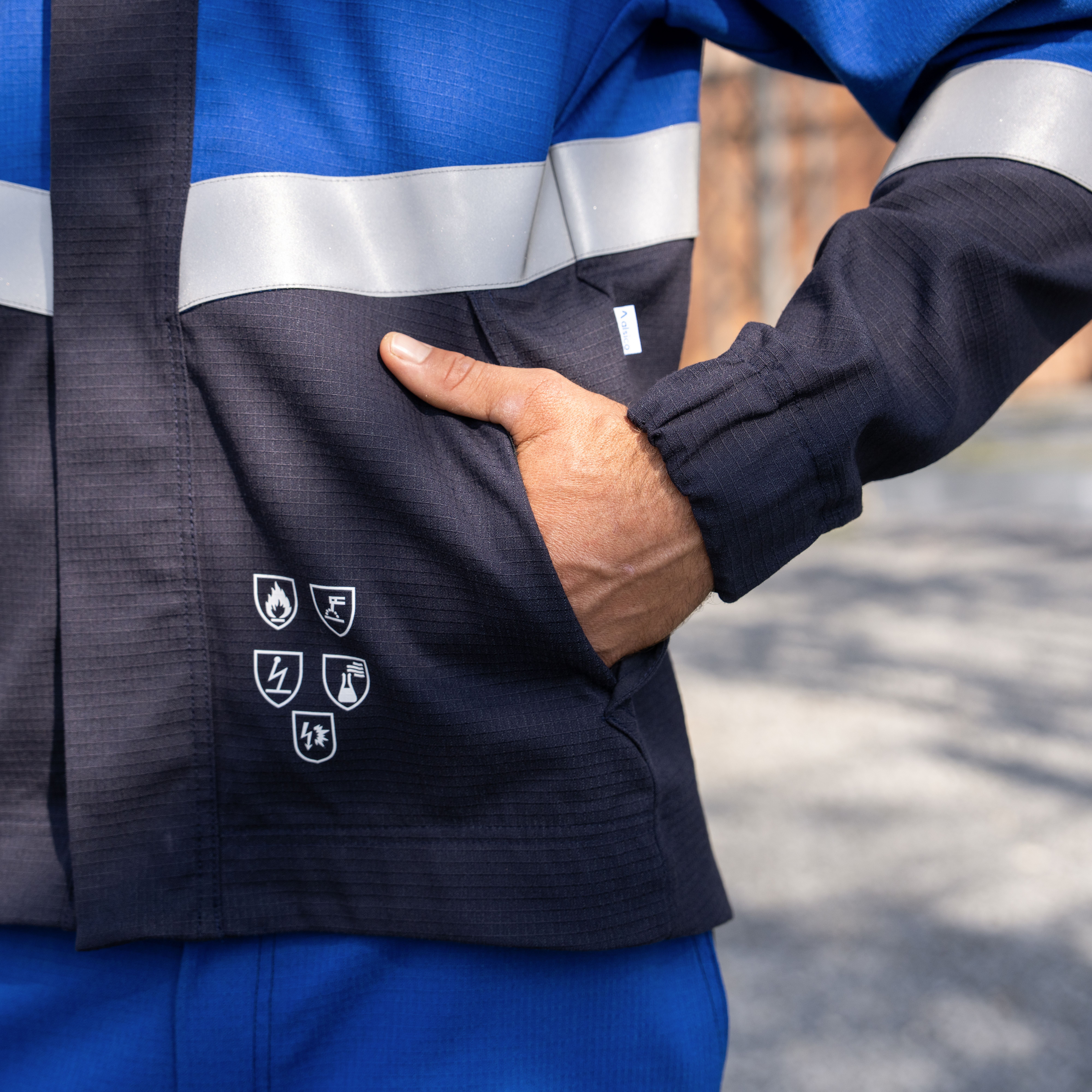
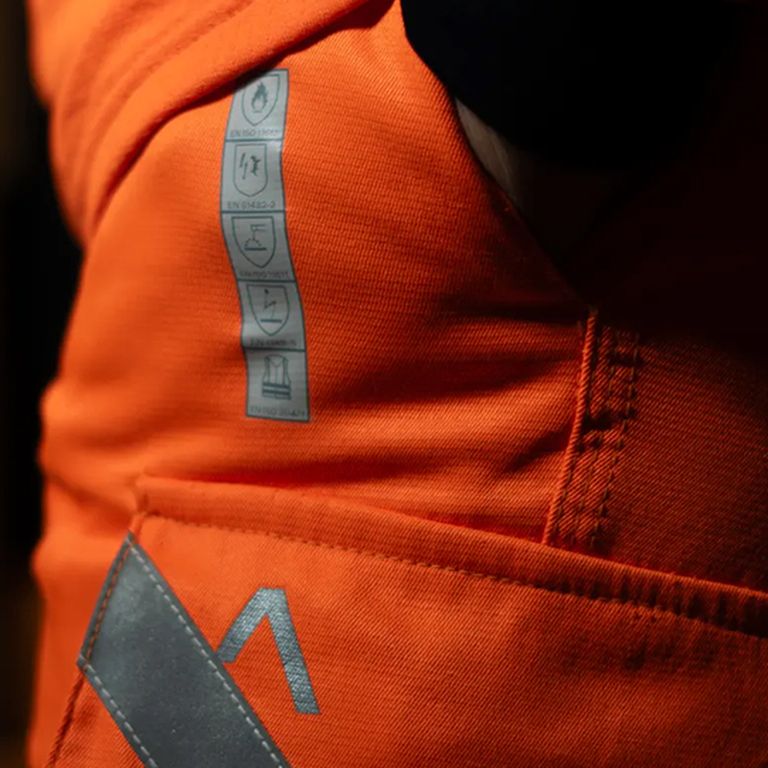
In the UK and Europe, clothing must meet EN 61482-2 and carry the electric arc pictogram (the lightning bolt inside a shield) to show it complies with European PPE regulations. Even if a garment is high quality and arc-rated under ASTM standards, it still needs to be assessed for compliance with UK and EU requirements before it can be authorised for use on your site.
If you’re responsible for specifying PPE, this distinction is important. Choosing the wrong standard can leave gaps in compliance and, more importantly, gaps in protection.
the legal status of arc flash clothing standards
In the UK, arc flash standards are not optional guidance. They are the recognised route to meeting your legal duty of care.
Under the Personal Protective Equipment at Work Regulations and the Electricity at Work Regulations 1989, you are required to provide suitable protective clothing where electrical risks exist. “Suitable” does not mean well-intentioned or labelled as flame resistant. It means proven to perform against the specific hazard.
Using clothing certified to EN 61482 gives you a presumption of conformity. In practical terms, it means you can demonstrate that the PPE you’ve issued is appropriate for the risk identified in your assessment. Without that certification, it becomes very difficult to show that the clothing you provided would protect someone during an arc flash incident.
When something goes wrong, the focus is always on whether the right decisions were made before the task began.
choosing arc flash clothing for real working conditions
Standards tell you whether a garment has passed a test. They don’t tell you whether people will wear it properly for a full shift, move safely in it, or keep it fastened when the job gets uncomfortable.
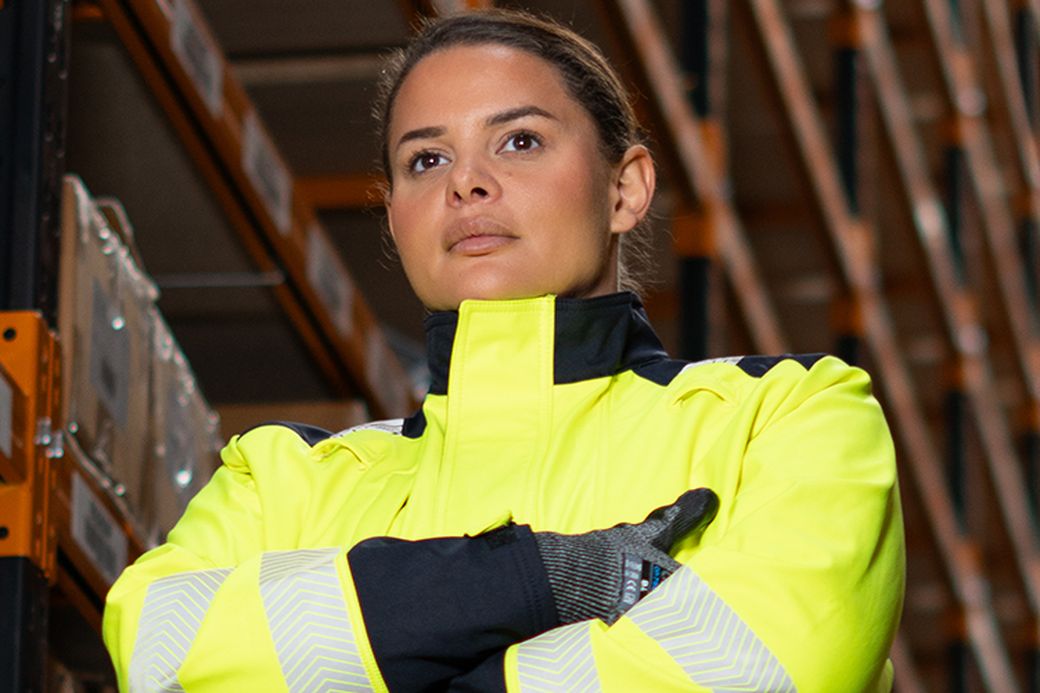
When you’re selecting arc flash clothing, protection should always come first. But don't downplay the importance of comfort, fit, and usability. Clothing that is too heavy, too restrictive, or poorly fitted is more likely to be worn incorrectly, left open, or avoided altogether.
That’s why arc flash protection works best when it’s treated as a system. The right combination of certified garments, correct sizing, compatible layers, and clear guidance helps ensure that protection isn’t compromised in real working conditions.
working with alsico
At alsico, arc flash clothing is designed with one clear aim: to protect the people who rely on it every day. That means meeting recognised standards, but it also means focusing on how garments are worn, how they move, and how they perform over time.
Because when it comes to arc flash, the right protection is about compliance and making sure everyone goes home safely at the end of the day.
If you’re reviewing your arc flash PPE—or you’re unsure whether what you’re currently using is appropriate—speaking with specialists can help you make better informed decisions based on real risks, not assumptions.
learn more about the sub environments we supply into
electricity and arc flash
Our clothing, tailored to specific risk levels, offers significant protection, enhancing safety in industries where Arc Flash incidents are prevalent, minimising the risk of serious burns and injuries.
heat, flame, and welding
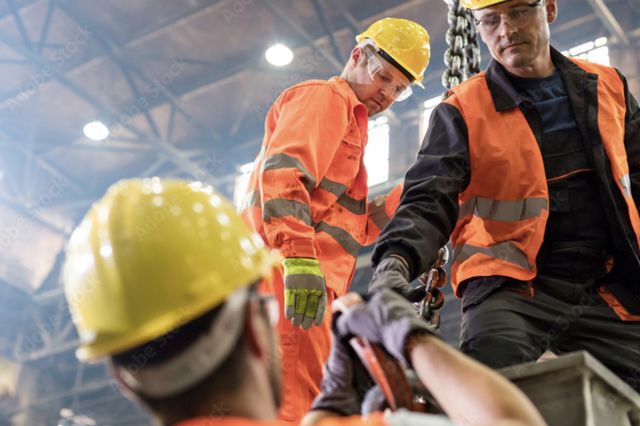
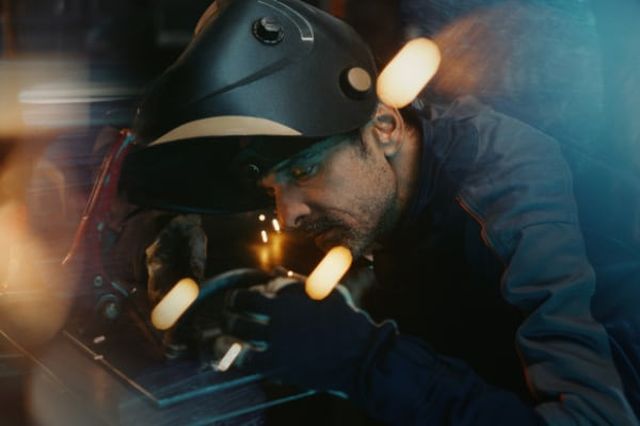
Burning hot embers, sparks and fire should never touch the skin of a human, our high-performance, FR and Welding protection garments are essential for workers in these environments.

visibility
Stay seen and secure with our high-visibility solutions, designed to keep workers visible and protected in environments such as railways, roads, docks, airports, and construction.
anti-static / ESD
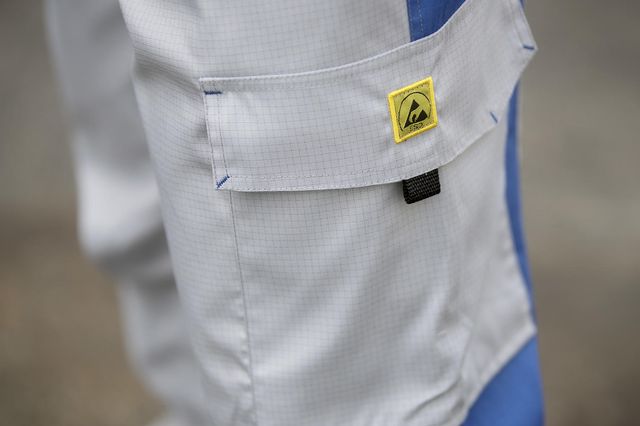
Industries where electrostatic discharge poses a threat require anti-static/ESD garments. These specialized garments prevent static electricity buildup during sensitive operations, providing a crucial line of defense for worker safety.
molten metals
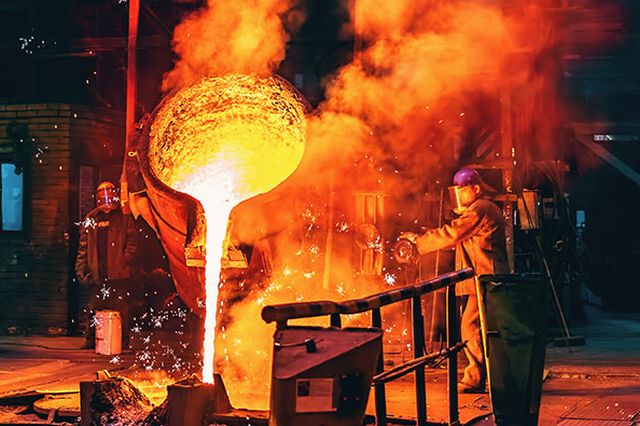
Protective solutions to ensure your team's safety from molten metal hazards, ensuring maximum-level protection against various metals, including zinc, nickel, and lead, ensuring your team's safety.
chemical
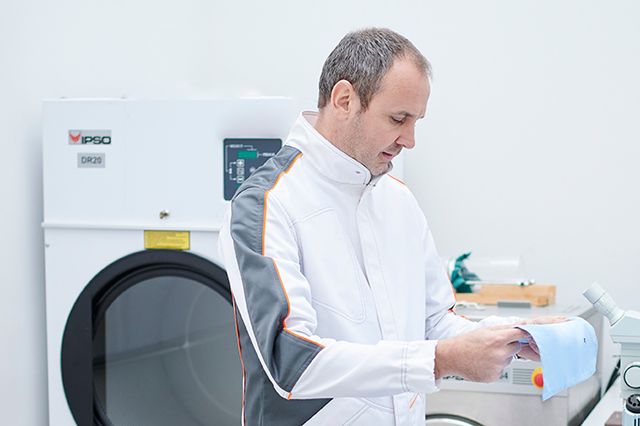
Chemical-resistant attire is necessary for protecting workers from hazardous substances in various industries. Alsico's reliable protective clothing creates a secure barrier against potentially harmful chemicals, prioritizing workplace safety.
rain and cold
Rain and cold weather workwear is pivotal in ensuring safety and comfort in challenging conditions, ensuring workers across diverse industries can perform their tasks safely and efficiently.
contact us
