


18 December 2025
the future of inclusive design in care uniforms
Meeting the needs of today’s care workforce requires more than a well-fitting uniform. It involves understanding the physical, emotional and biological realities of a sector under pressure – and designing garments that actively support people through each of those challenges.
Inclusive design has become central to this conversation, offering a framework that ensures every wearer – regardless of age, gender or life stage – can feel comfortable and capable at work.
With new data from alsico’s 2025 care sector report – in partnership with Care England – and the launch of BSI’s new standard for inclusive PPE, BS 30417, the opportunity to create more inclusive, evidence-based workwear has never been clearer. But how can we adapt, and futureproof, for tomorrow’s care workers?
1. understanding physical demands
Care roles require constant movement and repetitive physical tasks, placing significant strain on the body.
Whilst 73% of care workers strongly agreed they had been trained to perform these tasks safely, more than a quarter reported sustaining an injury that required time off. This gap reinforces that physical capability is shaped not only by training, but also by the tools, environment and clothing people rely on.
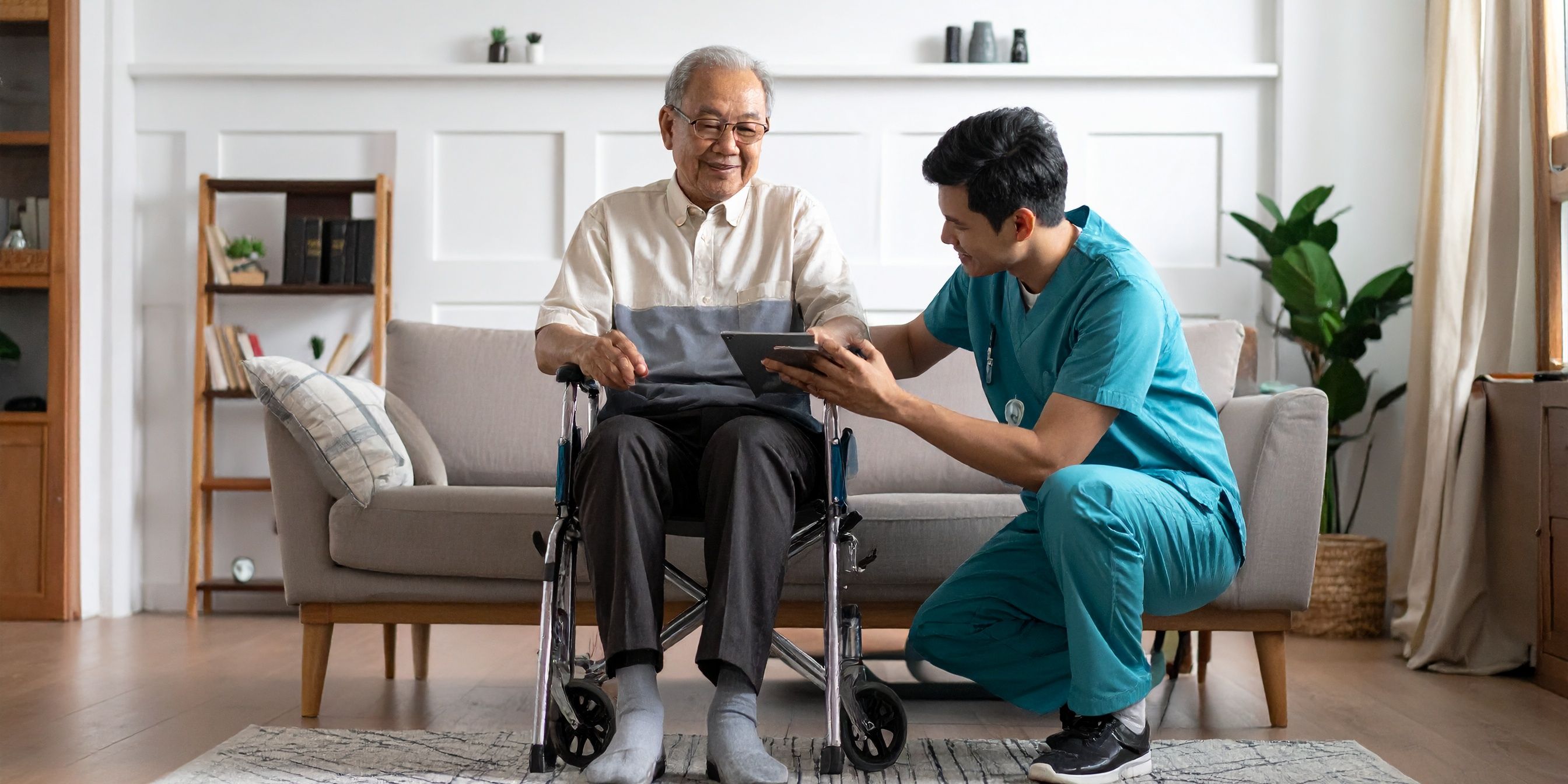
how inclusive uniforms can help
Care home uniforms play a bigger role in physical wellbeing than many realise.
Over half of respondents said the fit of their uniform affects their ability to carry out duties, and comfortable movement was ranked as a top driver of job satisfaction. Stretch, softness and range of motion have become essential in modern care garments.
Inclusive design means that clothing should adapt to the wearer, not the other way around. BS 30417 encourages employers to consider the whole person when it comes to PPE provision, including:
- fabrics engineered for movement
- silhouettes that support varied body shapes
- sizes and adaptions that reflect the real diversity of the workforce
It also means involving staff early in the selection process and closing the feedback loop – something one in five respondents felt employers were not doing today.
As everyday demands intensify, uniforms that actively support posture, movement and comfort will remain a defining element of retention and workforce resilience in the care sector.
2. addressing emotional needs
The emotional demands of care work are well documented.
Half of survey respondents said the emotional pressures of their role had affected their mental health, and this rose sharply among those with more experience. The data also revealed that only 26% strongly agreed their organisation provided enough support, highlighting a growing mismatch between needs and resources.
how inclusive uniforms can help
Whilst uniforms cannot replace formal mental health structures, inclusive design can influence emotional comfort.
Clothing that fits well, feels soft on the skin, and enables freedom of movement reduces daily friction – something care workers repeatedly report as affecting their confidence and motivation. Feeling physically comfortable creates a foundation for better emotional resilience.
This is especially relevant in environments where staff must navigate private, sensitive and emotionally charged situations. A uniform that aligns with identity, dignity and comfort can support a sense of professionalism whilst reducing unnecessary stressors – particularly on long or demanding shifts.
The future of inclusive care uniforms will see greater collaboration between manufacturers and care organisations, integrating wearer feedback into design in ways that reinforce both physical ease and emotional confidence.
3. designing around biological realities
Whilst menopause has rightly gained visibility, inclusive design demands a broader view.
Biological needs vary widely across the workforce, and workwear must respond to fluctuating body temperature, changing body shape, skin sensitivity, and hormone-related needs – not only for those in menopause, but for individuals across all life stages.
how inclusive uniforms can help
Among respondents to our survey who experience menopause symptoms at work:
68% said their uniform did not help them cool down
63% said it did not prevent sweating or discomfort
52% said it did not stretch enough during tasks
alsico shaping the future of inclusive care uniforms
As care providers navigate workforce shortages, complex needs and rising pressures, inclusive design is emerging as a powerful lever for engagement and retention.
Our data identifies uniform as one of the top four drivers of job satisfaction, placing it alongside training access, emotional support and career prospects. And this is where alsico’s approach becomes a differentiator.
By combining wearer research, design expertise and advanced fabric innovation, we are creating uniforms that respond directly to the real needs of frontline professionals. Our focus on science, construction, material blends, and movement-led design is matched with a commitment to listening – ensuring garments evolve with the sectors they serve and the people who wear them.
The future of inclusive design in care uniforms will be driven by organisations that value data, collaboration, and continuous improvement. With a sector as people-centred as care, healthcare uniforms are more than clothing – they are a daily interface between professional, environment and wellbeing – and alsico is there to provide whatever support, training and guidance they can.


looking for inclusive care uniforms?
If you’d like to explore how inclusive design can support your teams, our specialists are here to help.
Contact us to discuss wearer trials, product recommendations and how alsico can support your organisation with data-informed, future-ready workwear.
learn more about the different healthcare environments we provide uniforms for
Browse our environments below to discover the range of healthcare workwear we can supply and manufacture, including nurse uniforms, dental scrub uniforms, care home uniforms, doctors’ scrubs, surgeon scrubs, and many other types of medical clothing for both public and private healthcare providers.

hospital uniforms
Scrubs and other medical uniforms for both public and private hospitals.

care home uniforms
Personalised carer uniforms for care home staff in public and private care homes.

GP surgery uniforms
Staff uniforms for general practitioners and administration staff in public and private GP surgeries.

dental practice uniforms
Dental scrub uniforms and tunics for dentists, dental assistants and hygienists.

veterinary services uniforms
Sustainable and flexible medical uniforms for veterinary practices

nursing agency uniforms
Nursing uniforms, including nurse tunics and nurse scrubs, for agency workers and other nursing environments

hospice uniforms
Branded healthcare uniforms for hospice, care and social workers in public and private healthcare settings.
contact us
