


27 January 2026
what is an arc flash risk assessment, and what does it involve?
An arc flash isn’t a slow-building hazard. It's sudden and can overwhelm a working area without warning. When it happens, the conditions around the equipment change instantly, with temperatures spiking and pressure surging. Anyone nearby is exposed.
An arc flash risk assessment helps you understand where those dangers exist in your workplace, how severe they could be, and what arc flash PPE your team needs to stay protected while getting the job done. It connects real tasks, equipment and working conditions to practical controls around how work is planned and what your people wear on the job.
what is an arc flash risk assessment?
An arc flash risk assessment looks closely at your electrical systems and the work carried out on them. The aim is to identify where an arc flash could occur, how much energy could be released, and what level of protection is needed to keep people safe.
For you, that means understanding which panels, switchboards or tasks carry higher risk, and making sure anyone working there has clear guidance and suitable protection. The assessment results are usually used to set safe working distances, define procedures for live work, and select arc-rated PPE that matches the level of exposure your team may face.
standards and legal requirements for arc flash safety
In the UK, you have a legal duty to protect people from electrical danger at work. The Health and Safety at Work etc. Act 1974 requires you to safeguard your employees’ health and safety so far as reasonably practicable. The Electricity at Work Regulations 1989 build on this by requiring electrical systems to be designed, maintained and used in a way that prevents danger. They also require you to assess the risks of working on or near electrical equipment and put controls in place to protect the people doing the work.
While laws set requirements and expectations, technical standards show how to meet them in practice. Guidance such as IEEE 1584 provides recognised methods for calculating arc flash incident energy based on how your electrical system is built and operated, while NFPA 70E supports safe working practices where live exposure cannot be avoided. These calculations help you understand the level of heat someone could be exposed to if an arc flash occurred during a specific task.
If risks are not properly assessed or controlled, the consequences can include HSE intervention, such as Improvement or Prohibition Notices. More importantly, they affect the people expected to work on the equipment, where the impact can be far greater. A clear, up-to-date risk assessment helps you show that risks have been considered properly and that the controls you put in place are based on evidence, not guesswork.
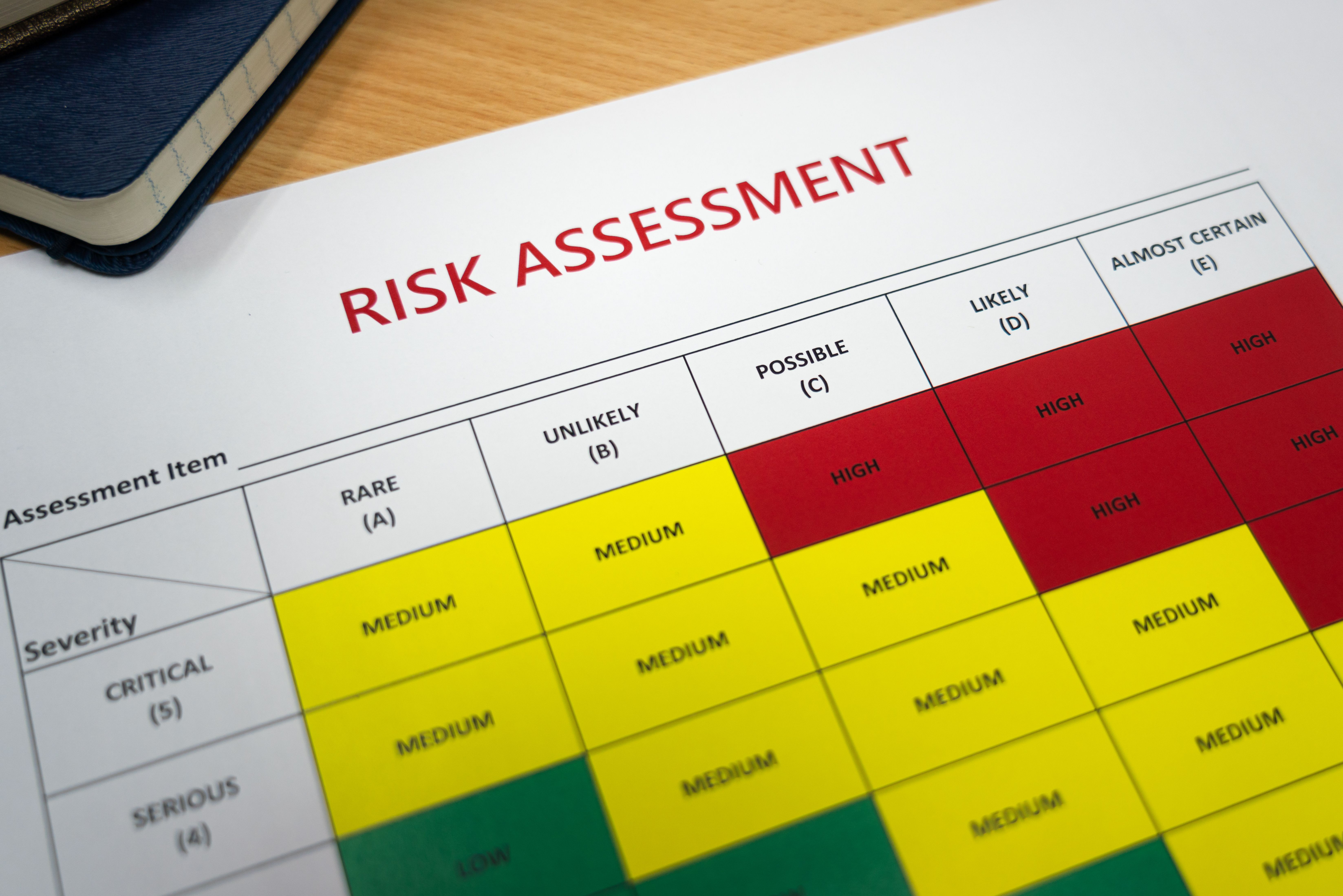
the 4P approach to arc flash risk assessment
A clear way to think about arc flash risk is to break it down into four connected stages. Each stage focuses on a different part of the job, from understanding the hazard, to reducing it, to protecting the people who still need to work there.
who is responsible for carrying out an arc flash risk assessment?
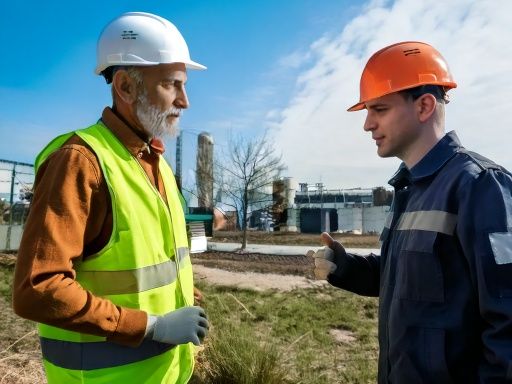
As an employer, responsibility for electrical safety ultimately sits with you. UK law places the duty on the organisation in control of the workplace to make sure risks are identified and managed properly.
That means ensuring an arc flash risk assessment is carried out by someone with the right technical competence. Because arc flash calculations rely on detailed system data and specialist knowledge, this is usually a qualified electrical engineer or an experienced external specialist.
Even if you bring in a third party to complete the assessment, responsibility doesn’t stop there. You’re still accountable for acting on the findings.

what happens after the assessment is completed?
A risk assessment only adds value if it changes what happens on site.
Once the results are in, you’ll typically use them to update arc flash labels, review how tasks are carried out, and confirm which combinations of controls apply to each activity. This might mean restricting live work to certain situations, adjusting maintenance schedules, or changing how people approach specific panels or switchgear.
It’s also the point where PPE decisions become clear. Instead of guessing or over-specifying, you can match arc-rated clothing to real exposure levels and job roles. That helps protect your team properly while avoiding unnecessary weight or heat stress.
Regular reviews are also important. Electrical systems change over time, and so do working practices. Revisiting the assessment is the best way to ensure controls are still relevant as equipment is upgraded, layouts change or new tasks are introduced.
how arc flash PPE fits into the bigger picture
Arc flash PPE is one part of a wider safety system. But it supports rather than replaces good planning, safe procedures and well-maintained equipment.
If PPE is chosen based on a clear assessment, it is easier for your team to trust it and wear it correctly. Clear labelling, consistent garment systems and practical training all contribute to your employees understanding what level of protection they need for each task, and why.
Just remember to also consider comfort and fit. PPE that allows movement, manages heat and holds up to repeated laundering is more likely to be worn properly, day in and day out.
arc flash protection from alsico
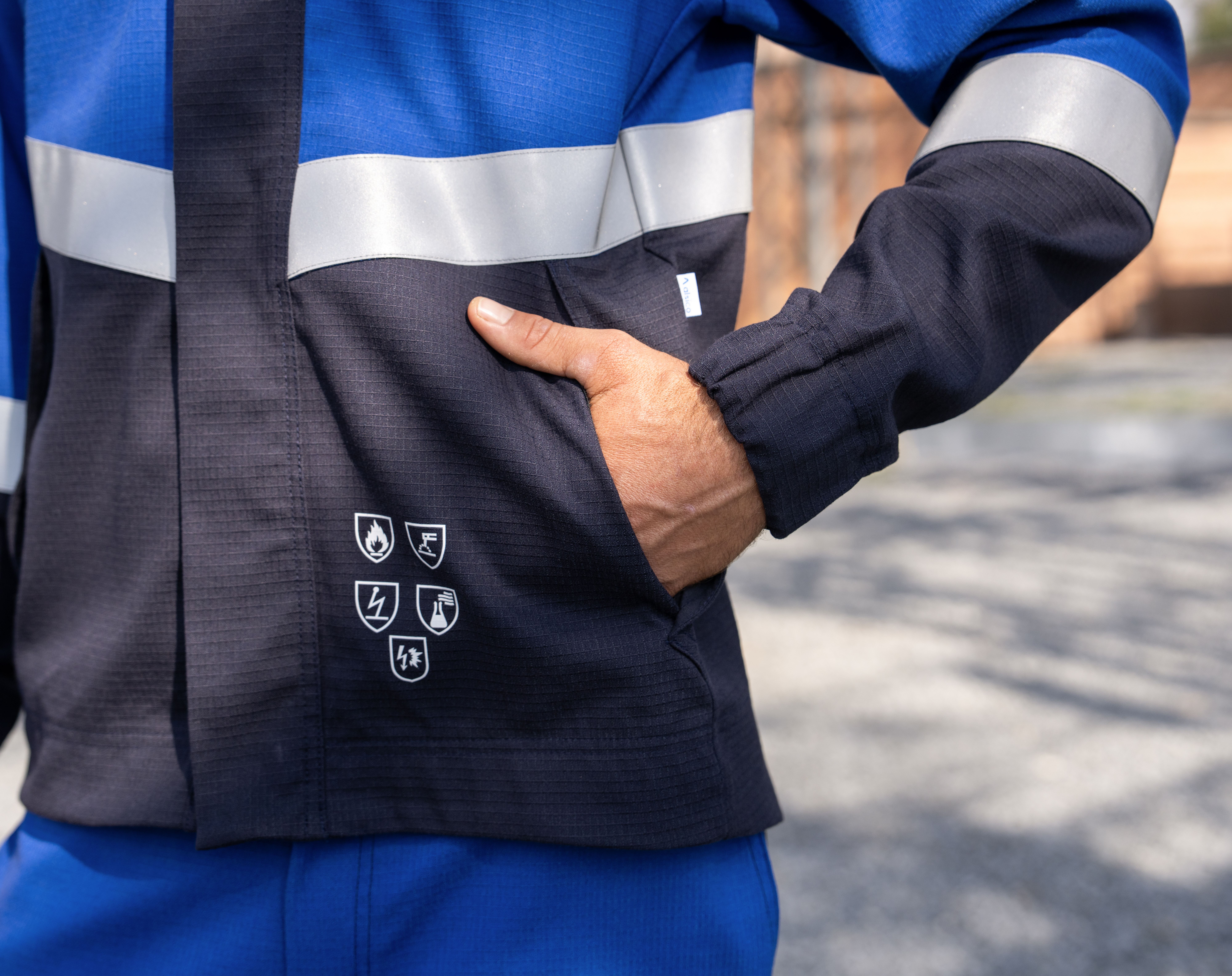
At alsico, we know that an arc flash risk assessment only works if it leads to protection people can rely on. That’s why our arc-rated workwear is designed to balance thermal protection with comfort, durability and ease of movement.
Our arc flash clothing ranges support layered systems, helping you match protection levels to your site’s incident energy values without overloading your team. From base layers through to outer garments, each piece is designed to work together as part of a complete protection system.
if you’re reviewing an assessment or updating your arc flash PPE, our UK team can help you translate the results into practical, wearable solutions for the people doing the work.
learn more about the sub environments we supply into

electricity and arc flash
Our clothing, tailored to specific risk levels, offers significant protection, enhancing safety in industries where Arc Flash incidents are prevalent, minimising the risk of serious burns and injuries.
heat, flame, and welding
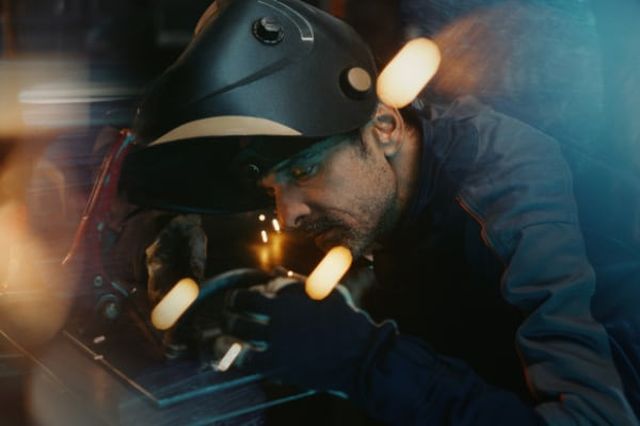
Burning hot embers, sparks and fire should never touch the skin of a human, our high-performance, FR and Welding protection garments are essential for workers in these environments.

visibility
Stay seen and secure with our high-visibility solutions, designed to keep workers visible and protected in environments such as railways, roads, docks, airports, and construction.
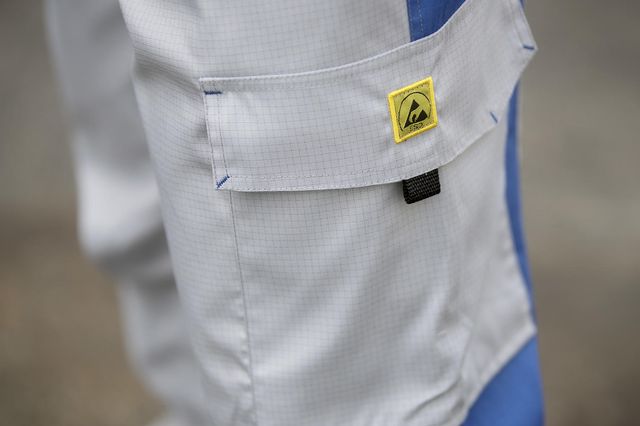
anti-static / ESD
Industries where electrostatic discharge poses a threat require anti-static/ESD garments. These specialized garments prevent static electricity buildup during sensitive operations, providing a crucial line of defense for worker safety.
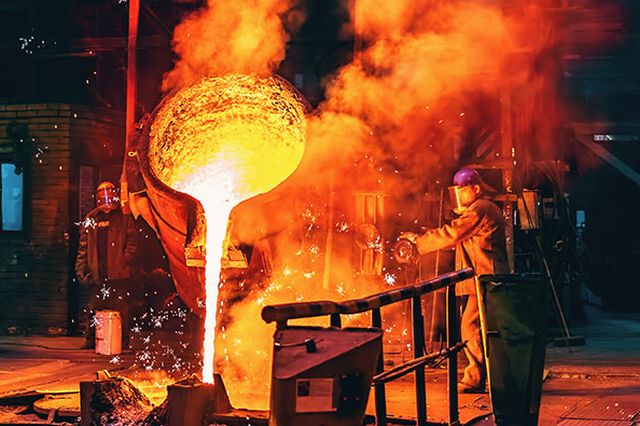
molten metals
Protective solutions to ensure your team's safety from molten metal hazards, ensuring maximum-level protection against various metals, including zinc, nickel, and lead, ensuring your team's safety.
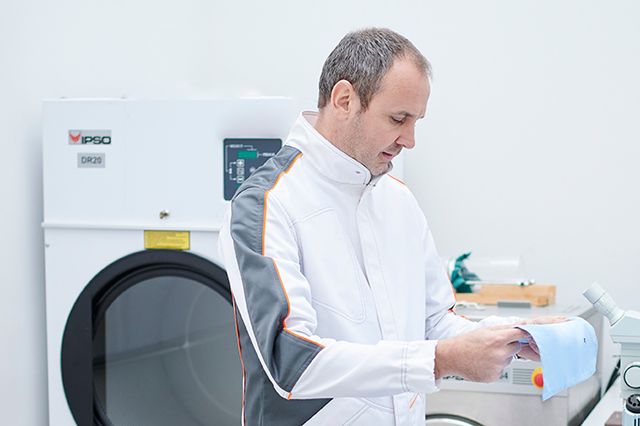
chemical
Chemical-resistant attire is necessary for protecting workers from hazardous substances in various industries. Alsico's reliable protective clothing creates a secure barrier against potentially harmful chemicals, prioritizing workplace safety.
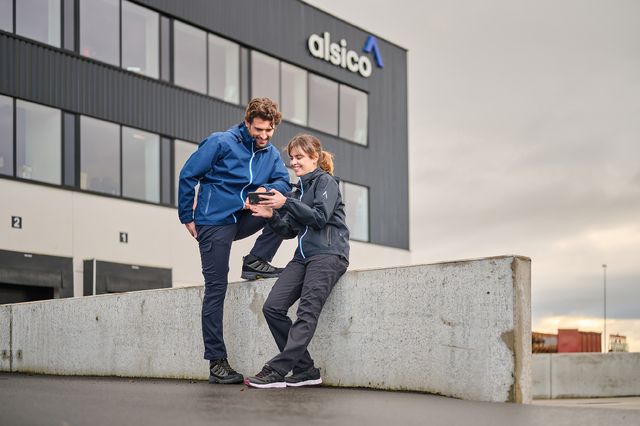
rain and cold
Rain and cold weather workwear is pivotal in ensuring safety and comfort in challenging conditions, ensuring workers across diverse industries can perform their tasks safely and efficiently.
contact us
