


1 April 2026
why training is critical in arc flash prevention
Arc flash training is one of the most important steps an employer can take to protect people who work on or near electrical systems. It connects what your risk assessment identifies with what your team does on site, ensuring they understand the hazards, the controls and the protection available to them.
If structured arc flash safety training never happens, even well-designed controls can be undermined. Workers may not understand why certain procedures exist, how to wear arc flash PPE correctly or when a task requires additional precautions. If your organisation operates in the utilities, rail, manufacturing or electrification sectors, getting this right is both a legal duty and a practical necessity.
what is arc flash training?
Arc flash training is not a quick 15-minute gathering in the break room. It is a structured programme that educates workers about the dangers of arc flash events and equips them with the knowledge and behaviours needed to work safely around electrical hazards. It goes further than general electrical safety awareness by focusing specifically on the causes, consequences and prevention of arc flash incidents.
A comprehensive electrical arc flash training programme typically covers the science behind arc flash events, how incident energy is calculated, how to read arc flash labels, and how to select, inspect and wear the correct PPE for a given task. It also reinforces the importance of safe isolation, permit-to-work procedures and emergency response.
Arc flash training is also not a one-off event. As electrical systems change, risk assessments are updated and new equipment is introduced, training must be refreshed to ensure workers stay competent and confident in their approach.

why arc flash training is essential for large organisations
An arc flash can reach temperatures exceeding 19,000°C and generate a violent pressure wave capable of causing severe burns, hearing damage and blast injuries within fractions of a second. The consequences are sudden, life-changing and, in the worst cases, fatal.
If your organisation has a large workforce operating across multiple sites, the challenge is compounded. Different teams likely face different hazard levels, work on varied equipment and follow localised procedures. If there isn't consistent arc flash awareness training happening, you will end up with knowledge gaps that create risk.
Arc flash training addresses this by building a common understanding across your workforce. When everyone, from maintenance engineers to supervisors and procurement teams, understands what an arc flash is, how it occurs and what the consequences look like, safer decisions follow naturally. You may already have engineering controls, procedures, and PPE in place, but training builds the human layer of defence.
There is also a strong operational case. Organisations that invest in training tend to see fewer near-miss incidents, better compliance during audits and more consistent use of PPE. If employees understand the reasoning behind the rules, they are far more likely to follow them.
arc flash training requirements
In the UK, the legal framework for electrical safety is well established, and training is an important part of it.
what should arc flash safety training cover?
Effective arc flash training should be relevant to the tasks your people carry out and the hazard levels they face. A one-size-fits-all approach does not work in complex operations. Training content should instead be based on the findings of your arc flash risk assessment and align with the procedures, PPE systems and equipment in use at your sites.
As a guide, a thorough programme should cover the following areas.
understanding the hazard
Workers need a clear explanation of what an arc flash is, how it occurs and what makes it different from other electrical hazards. This includes the causes of arc faults, such as insulation failure, equipment corrosion, dust accumulation, loose connections or accidental contact. The effects should also be covered in detail, from thermal radiation and pressure waves through to shrapnel, molten metal and intense light.
If people understand the mechanism behind the hazard, they can recognise situations where risk is elevated and take the right precautions before starting work.
reading and interpreting arc flash labels
Arc flash labels on equipment communicate the results of your risk assessment in a format that workers can act on. Training should ensure every worker understands the values shown on these labels, including incident energy in cal/cm², arc flash boundaries and the required PPE category. If workers cannot read or interpret these labels correctly, the entire labelling system loses its value. Never treat the use of labels as simply meeting a compliance requirement.
PPE selection, inspection and correct use
Arc flash PPE is designed to work as a system. Base layers, mid layers and outer garments each contribute to the overall protection level. Training should cover how layered garment systems work, why every layer must be arc-rated and what happens if non-rated fabrics are worn underneath. It should also address the correct way to inspect garments for damage, how to check fastenings and closures and why fit is important for both protection and safety.
safe working practices and procedures
Training should reinforce your organisation’s specific procedures for working on or near live electrical equipment. This includes safe isolation and proving dead, permit-to-work systems, task-specific risk assessments, competency checks and the authorisation process for live work. Many arc flash incidents occur during routine tasks carried out by experienced workers. Training is what keeps procedures front of mind.
emergency response
Even with strong controls, residual risk is never eliminated. Workers should know what to do if an arc flash occurs, including how to assist casualties safely, how to isolate the affected circuit and how to report the incident. A clear emergency response can significantly reduce the severity of outcomes.
who needs arc flash training?
Arc flash training is essential for electricians and maintenance engineers. But anyone who may be exposed to arc flash hazards, or who makes decisions that affect the safety of those who are, should also get appropriate training. The depth and content of that training will vary depending on the individual’s role and level of exposure.
- Electrical workers and engineers who carry out tasks on or near live equipment need the most detailed, task-specific training. They must understand incident energy levels, PPE requirements for each task and the safe working practices that apply.
- Supervisors and managers who authorise work, plan tasks or oversee electrical operations need to understand arc flash risks well enough to make informed decisions about when live work is justified and what controls must be in place.
- Procurement and safety professionals who specify and purchase PPE benefit from arc flash awareness training that helps them understand how garment ratings, layering systems and fit requirements connect to the hazard levels identified in risk assessments.
- Contractors and visiting workers who enter areas where arc flash hazards exist should receive induction-level training, so they are aware of the risks and know how to behave safely on site.
Customising training to each audience ensures the content is relevant and practical, rather than generic. A procurement manager does not need the same level of detail as a high-voltage switching engineer, but both benefit from understanding the hazard and its implications.
how training supports arc flash prevention
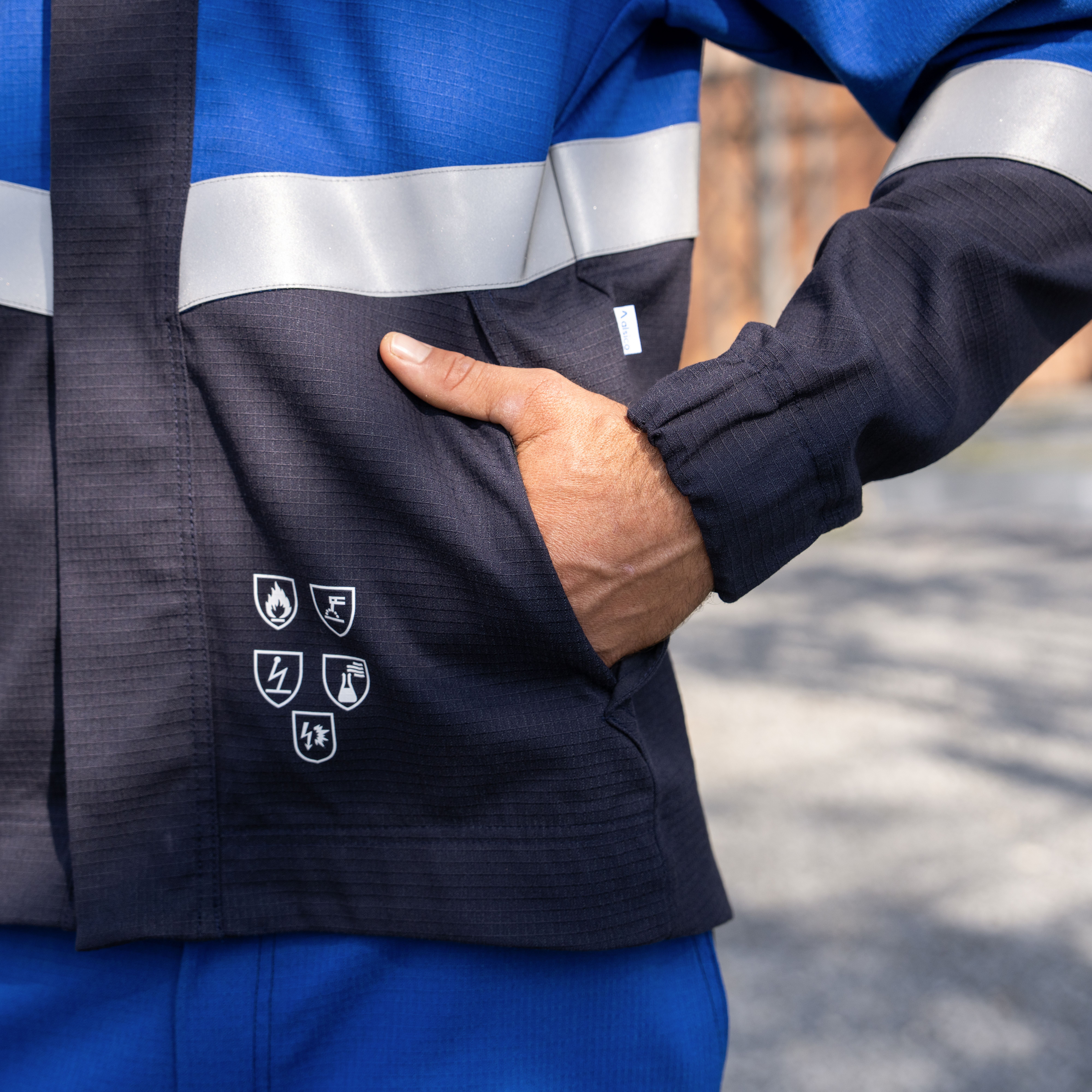
The most effective approach to managing arc flash risk focuses on preventing incidents from occurring in the first place. PPE is an essential last line of defence, but it should never be the only line of defence. Training plays a direct role in arc flash prevention by ensuring workers understand and consistently apply all the controls designed to reduce risk at source.
Preventing arc flash starts with engineering controls, such as de-energising equipment before work begins, reducing fault current levels, using arc-resistant switchgear and maintaining systems to prevent the conditions that cause faults. Training ensures these controls are understood, respected and followed rather than bypassed for convenience or speed.
It also addresses the human factors that contribute to incidents. Workers who are trained to recognise early warning signs, such as unusual sounds, smells or visual indicators around electrical equipment, are better equipped to stop work and report concerns before an event occurs. Similarly, training reinforces the discipline of following safe isolation procedures every time, even under time pressure.
In large organisations, the cumulative effect of well-trained teams across multiple sites can be significant. Consistent arc flash safety training reduces the likelihood of incidents, supports a positive safety culture and provides evidence of due diligence in the event of a regulatory audit or investigation.
common arc flash training gaps to avoid
Even organisations with established training programmes can have gaps that weaken their overall approach. Recognising and addressing these gaps is an important part of continuous improvement.
treating training as a one-off event
Electrical systems change, risk assessments are updated and procedures evolve. If training in your organisation is delivered once and never revisited, workers may not be aware of changes that affect how they should work. Refresher training at regular intervals keeps knowledge current and reinforces key behaviours.
using generic content that does not reflect your site
Off-the-shelf training materials may cover general arc flash principles but miss the specific equipment, procedures and hazard levels present at your sites. The most effective training is tailored to your organisation’s risk assessment findings, PPE systems and operational context.
overlooking non-electrical staff
People who work in or near areas where arc flash hazards exist, even if they do not directly interact with electrical systems, still need awareness-level training. This includes contractors, cleaning staff and anyone who might inadvertently enter a restricted area.
not connecting training to PPE use
Training that explains the hazard but does not teach workers how to correctly select, wear and maintain their arc flash clothing creates a disconnect. PPE is only effective when it is worn properly, and that means training must include practical, hands-on guidance on garment systems.
how arc flash training connects to risk assessment and PPE procurement
Arc flash training does not exist in isolation. It is one part of a connected safety system that begins with a thorough arc flash risk assessment and extends through to the PPE your people wear every day.
The risk assessment identifies where hazards exist, how much incident energy could be released at each location and what level of protection is required.
Training translates those findings into practical knowledge that workers can apply on the job.
And the PPE system, including garment selection, layering and fit, provides the physical barrier that protects workers when residual risk cannot be eliminated.
If these three elements align, the result is a coherent approach where everyone understands the risks, knows what to do and has the right equipment to stay protected. It is when they are disconnected that gaps appear. Workers may have PPE they do not know how to wear correctly. Risk assessments may sit in a filing cabinet without ever reaching the people they are designed to protect. And training may cover theory but fail to line up with the realities of the job.
If you work in procurement, understanding this connection is valuable. Choosing the right arc flash clothing means understanding what the risk assessment requires, how garment systems work together and what training workers need to use them properly. These are not separate decisions. They are parts of the same safety system.
arc flash protection from alsico
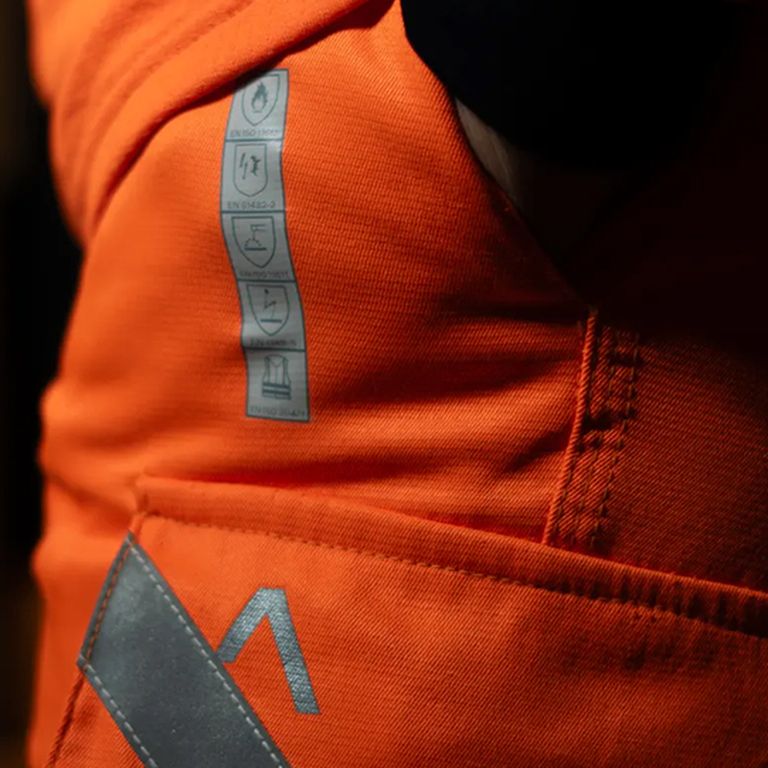
At alsico, we understand that training, risk assessment and PPE must work together to keep people safe. Our arc-rated workwear is designed with this in mind, combining thermal protection with comfort, durability and ease of movement so that garments support the wearer throughout the working day.
Our arc flash clothing ranges support layered garment systems, helping you match protection levels to the incident energy values identified in your risk assessment. From base layers through to outer garments, each piece is designed to work together as part of a complete protection system. We also offer inclusive sizing and ergonomic designs to ensure every worker is properly protected regardless of body shape or role.
Whether you are reviewing your training programme, updating your risk assessments or procuring arc flash PPE across multiple sites, our UK team can help you translate your safety requirements into practical, wearable solutions for the people doing the work.
learn more about the sub environments we supply into

electricity and arc flash
Our clothing, tailored to specific risk levels, offers significant protection, enhancing safety in industries where Arc Flash incidents are prevalent, minimising the risk of serious burns and injuries.
heat, flame, and welding
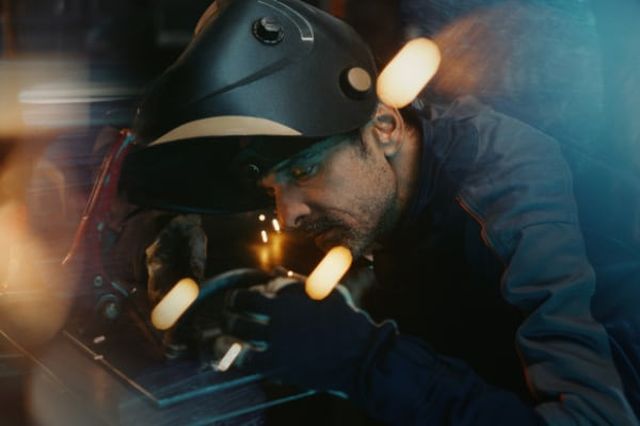
Burning hot embers, sparks and fire should never touch the skin of a human, our high-performance, FR and Welding protection garments are essential for workers in these environments.

visibility
Stay seen and secure with our high-visibility solutions, designed to keep workers visible and protected in environments such as railways, roads, docks, airports, and construction.
anti-static / ESD
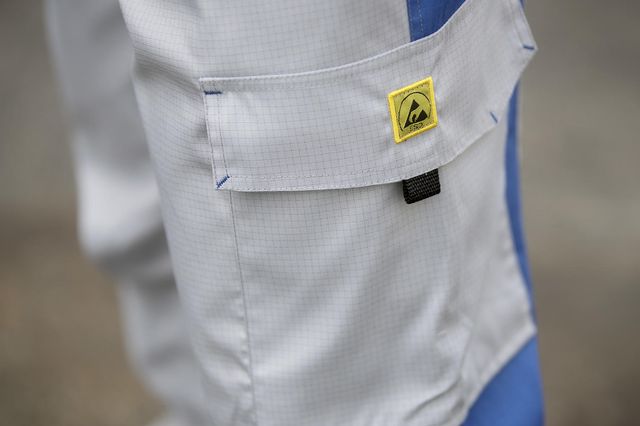
Industries where electrostatic discharge poses a threat require anti-static/ESD garments. These specialized garments prevent static electricity buildup during sensitive operations, providing a crucial line of defense for worker safety.
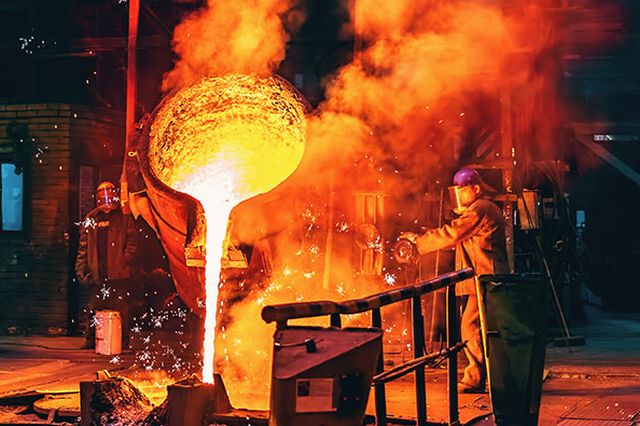
molten metals
Protective solutions to ensure your team's safety from molten metal hazards, ensuring maximum-level protection against various metals, including zinc, nickel, and lead, ensuring your team's safety.
chemical
Chemical-resistant attire is necessary for protecting workers from hazardous substances in various industries. Alsico's reliable protective clothing creates a secure barrier against potentially harmful chemicals, prioritizing workplace safety.
rain and cold
Rain and cold weather workwear is pivotal in ensuring safety and comfort in challenging conditions, ensuring workers across diverse industries can perform their tasks safely and efficiently.
contact us
