24 August 2026
Arc flash vs electric shock: what's the difference?
Electrical incidents remain one of the most serious categories of workplace injury in the UK. According to HSE figures, around 1,000 electrical accidents at work are reported each year, with approximately 25 proving fatal. Yet many risk assessments still treat all electrical dangers as a single hazard, overlooking the critical differences between an arc flash and an electric shock.
For procurement and safety managers responsible for protecting large workforces, across utilities, power generation, rail, petrochemicals and industrial electrical environments, the distinction is critical. It affects the type of protective arc flash clothing you need to specify, the risk assessment methodology you follow, and the compliance standards your organisation must meet.
What is an electric shock?
An electric shock occurs when someone makes direct contact with an energised conductor or circuit and current passes through their body. The severity depends on the voltage, the current pathway, the duration of contact and the individual’s physical condition. Effects range from a mild tingling sensation at very low currents to cardiac arrest and death at higher levels.
You might have come across the term arc flash electrocution and wondered how it relates. And it’s worth clarifying the language in this case. When discussing electrocution vs shock, electrocution technically refers only to a fatal electric shock, although you’ll often see the term used more loosely. The key characteristic in either case is that the body becomes part of the electrical circuit. Injuries are primarily internal, and include damage to the heart, nervous system, muscles and organs. Burns at entry and exit points may be visible, but the most dangerous effects are often hidden.

What is an arc flash?
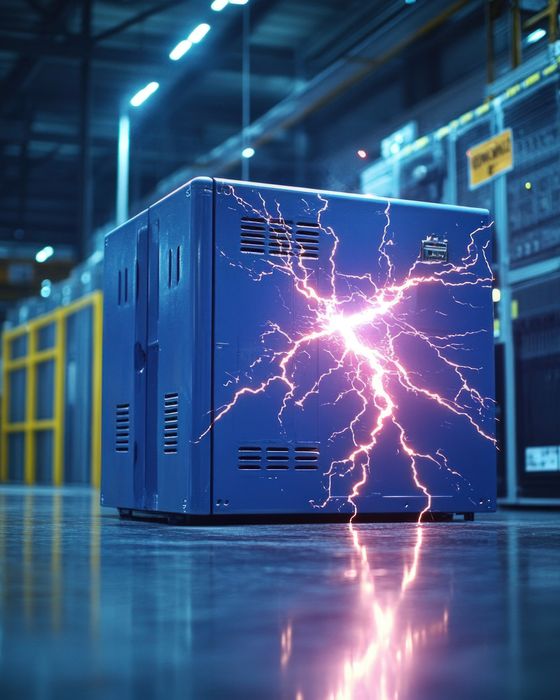
An arc flash is an entirely different phenomenon, and if you haven’t encountered one first-hand, the scale of energy involved can be difficult to understand. It occurs when electrical energy discharges through the air between conductors or from a conductor to earth. This creates a violent release of thermal energy. An arc flash can generate temperatures exceeding 19,000°C, which is enough to vaporise copper conductors and ignite clothing at a distance of several metres.
Crucially, unlike an electric shock, your workers don’t need to touch anything to be injured. Arc flash injuries are caused by radiant and convective heat, by molten metal splashes, and by the intense ultraviolet light the arc produces. The resulting arc flash burn injuries can be catastrophic, from deep thermal burns to exposed skin, inhalation injuries from superheated gases, hearing damage from the explosive pressure wave, and permanent eye damage.

What’s the difference between arc flash and electric shock?
Although both fall under the umbrella of electrical hazards, the arc flash and shock hazard present fundamentally different risk profiles. If you’re specifying PPE for your teams, these are the distinctions you need to understand.
Understanding the full picture of arc blast vs arc flash
Within the arc flash event itself, there are two distinct hazard components you should be aware of. The arc flash produces intense radiant heat and light. The arc blast is the supersonic pressure wave that follows, created by the rapid heating and expansion of surrounding air and vaporised metal. Together, these can propel molten debris at speeds exceeding 300 metres per second.
Arc-rated garments are tested and certified to protect against the thermal effects of the flash. However, they may not fully protect against the concussive force of a very large blast event. This is why you should consider a comprehensive risk management approach, ideally one that follows the “Predict, Prevent, Process, Protect” (4P) methodology endorsed by the IET. This can help reduce or eliminate arc flash hazards at source, rather than relying solely on protective clothing.
Why this is important for your PPE specification
A detail that often surprises people is that the majority of arc flash injuries in the workplace are burn injuries caused not by the arc itself, but by everyday clothing igniting on the wearer’s body. Non-flame-resistant fabrics, particularly synthetics such as polyester and nylon, melt into the skin, dramatically increasing the severity and extent of the burn. The risk of arc flash electrocution and severe thermal arc flash injury is precisely why specifying the correct arc-rated workwear is so critical.
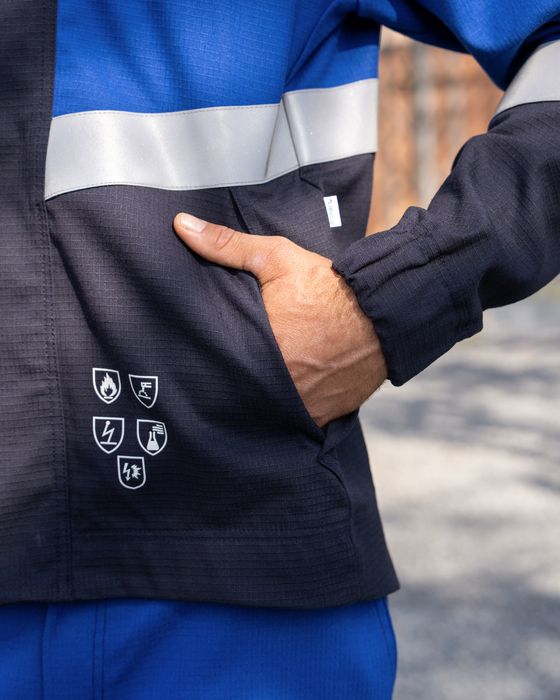
Arc flash clothing manufactured to IEC 61482-2 is designed to self-extinguish, resist melting, and provide a thermal barrier between the arc energy and the wearer’s skin. If you’re managing a large workforce in a high-risk electrical environment, this is a procurement decision that supports your duty-of-care obligation underpinned by the Electricity at Work Regulations 1989 and the Management of Health and Safety at Work Regulations 1999.

What this means for large-scale PPE procurement
The best-specified PPE is ineffective if your teams find it too uncomfortable to wear consistently. Look for arc flash workwear that combines certified protection with modern fabric technology. Breathability, stretch and reduced weight all improve day-to-day wear rates.

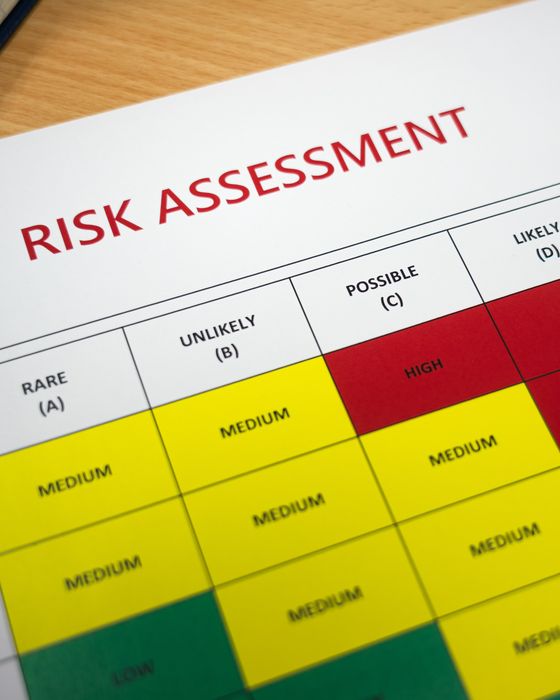
Start with a risk assessment
An arc flash study (using IEEE 1584 calculations) quantifies the incident energy at each piece of equipment. Without this data, you cannot determine the correct arc rating for your PPE.

Match your PPE to the hazard
Arc-rated clothing must have an arc rating (ATPV or EBT) equal to or greater than the calculated incident energy. Over-specifying is uncomfortable and restricts your workers’ movement; under-specifying puts their lives at risk.

Think about comfort and compliance
Arc-rated clothing must have an arc rating (ATPV or EBT) equal to or greater than the calculated incident energy. Over-specifying is uncomfortable and restricts your workers’ movement; under-specifying puts their lives at risk.

Secure your supply chain
You need a supply partner who can deliver consistent stock across all your sites, manage size ranges, offer garment customisation and provide full product traceability.
Discover alsico’s arc flash protective clothing
At alsico, we’ve been at the forefront of protective workwear innovation for nearly a century. Our arc flash clothing range is built for the demands of large-scale operations, from power generation and utilities to petrochemicals, rail and industrial electrical environments. Every garment is tested and certified to IEC 61482-2, with options spanning PPE categories 1 through 4.
Whether you’re reviewing your current arc flash PPE programme or specifying protective clothing for a new contract, our specialist team can help you match the right garments to your risk profile. Explore our full arc flash protection range or get in touch to discuss your requirements.
Contact form
You might also want to read