




1 April 2025
Common arc flash injuries and how to prevent them
Arc flash incidents are among the most serious electrical hazards in industrial workplaces. They happen in a fraction of a second, but the injuries they cause—severe burns, blast trauma, permanent vision and hearing damage—can change lives permanently and carry significant consequences for the organisations responsible for managing those risks.
For employers and safety managers overseeing large electrical operations across sectors like energy, rail, manufacturing, or construction, understanding arc flash injuries is a safety concern. But it is also a compliance obligation. The Electricity at Work Regulations 1989 and the Management of Health and Safety at Work Regulations 1999 require you to assess and control electrical risks, including the arc flash hazard, across your sites and workforce.
This article covers what arc flash is, the most common arc flash injuries, what causes these incidents, and the practical steps you can take to prevent them—including how arc flash protective clothing fits into a broader risk management approach.
what is an arc flash?
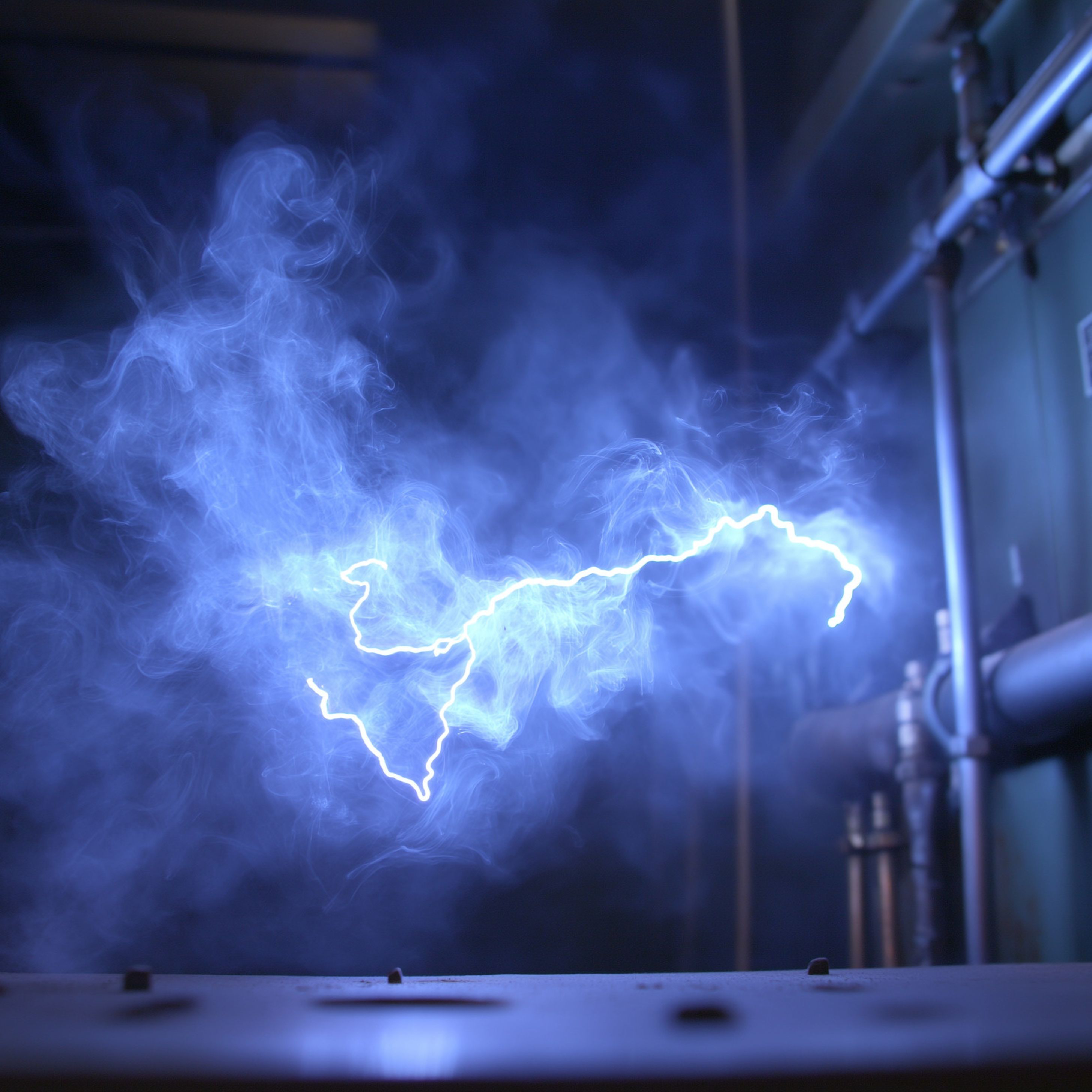
An arc flash is a sudden, violent release of energy caused by an electrical fault. It occurs when current flows through the air between conductors, or from a conductor to ground, creating an electrical arc outside its intended path.
The energy released during an arc flash is extreme. Temperatures at the arc source can exceed 19,000 °C (roughly four times the surface temperature of the sun). At these temperatures, metal components such as copper, aluminium and steel can vaporise instantly, turning into superheated gas and molten droplets. The intense light produced can cause permanent eye damage, even from a distance.
arc flash and arc blast
An arc flash and an arc blast are closely related but distinct hazards, and both can occur during the same event.
The arc flash refers to the thermal and radiant energy released. This is the extreme heat, UV radiation, and molten metal that cause burn injuries.
The arc blast is the explosive pressure wave that follows. When surrounding air and vaporised metal expand rapidly, the resulting blast can exceed 100 kPa in force, enough to throw a person across a room, rupture eardrums, and propel debris and equipment fragments at speeds of up to 300 metres per second.
Together, these make arc flash one of the most dangerous and fast-moving hazards in any electrical working environment.
what can cause an arc flash?
Arc flash incidents can have a range of causes, but most fall into a small number of categories. Understanding how these conditions develop is the first step in preventing them.
1. human error
This is the most common cause of arc flash events. It includes accidentally touching live parts with tools, dropping conductive objects into switchgear, failing to follow lockout/tagout isolation procedures, or working on energised equipment when de-energising was possible. Mistakes during installation, maintenance, or testing tasks can create the short circuits that trigger an arc.
2. equipment failure and degradation
Over time, electrical equipment degrades. Insulation breaks down through heat exposure, chemical contact, or mechanical wear. Connections loosen. Circuit breakers and protective relays may fail to operate correctly, allowing sustained faults that escalate into arc flash events. Equipment that is not regularly inspected and maintained is significantly more likely to fail in this way.
3. improper installation
Incorrect installation of electrical systems—such as inadequate grounding, conductors positioned too close together, or the use of components not rated for the voltage or environment—creates conditions where short circuits and arcing faults are more likely.
4. contamination and environmental factors
Dust, dirt, and other contaminants can build up on electrical components, creating unintended conductive paths that allow current to arc between conductors. Corrosion has a similar effect, degrading connections and insulation. Moisture and condensation inside electrical enclosures are also common contributors, particularly in high-humidity environments or outdoor installations.
5. voltage transients and power surges
Lightning strikes, switching operations, or power fluctuations can stress electrical systems beyond their design tolerances, leading to insulation failure or short circuits that trigger an arc flash.
6. foreign objects and animal ingress
Tools left inside electrical cabinets, or small animals entering enclosures, can bridge live conductors and initiate an arcing fault. These are preventable through good housekeeping and enclosure management practices.
common arc flash injuries
When an arc flash occurs, the combined effects of extreme heat, explosive force, blinding light, and airborne debris can cause a range of serious injuries. Many of these are life-altering, requiring extended medical treatment and rehabilitation. For employers, the consequences extend beyond the immediate incident to include lost working time, potential enforcement action from the HSE, and long-term duty-of-care obligations.
1. arc flash burns
Thermal burns are the most common and often the most severe arc flash injury. The extreme temperatures can cause deep second- and third-degree burns in a fraction of a second, affecting any exposed skin. Arc flash burns frequently require hospitalisation, skin grafts, and extended recovery periods. If non-rated synthetic clothing is worn, it can melt onto the skin and significantly increase the severity of the burn injury.
2. blast injuries
The explosive force of an arc blast can cause fractures, concussions, and blunt-force trauma. Workers can be thrown from platforms or ladders or struck by debris and equipment fragments propelled by the pressure wave. These impact injuries can be as severe as direct thermal injuries, and in some cases are fatal.
3. hearing damage
The sound produced by an arc flash event can exceed 140 decibels, well above the threshold for immediate and permanent hearing damage. Workers may suffer ruptured eardrums, tinnitus, or partial to complete hearing loss. Even a single exposure at this level can cause irreversible damage.
4. vision damage
The intense light and UV radiation from an arc flash can cause flash burns to the cornea, retinal damage, and temporary or permanent blindness. Eye injuries are among the most commonly reported consequences of arc flash events, particularly when appropriate face protection has not been worn.
5. respiratory damage
When an arc flash vaporises metal components, it releases toxic fumes and superheated gases. Inhaling these can cause burns to the airways, toxic metal fume exposure, and long-term respiratory conditions. This risk is particularly significant in enclosed or poorly ventilated spaces where gas concentrations build rapidly.
6. electrocution
While arc flash injuries result from the energy released around the body rather than current passing through it, direct electrical contact during the same event can cause electrocution. The combination of arc flash and electric shock makes these incidents especially dangerous.
how to prevent arc flash injuries
Arc flash prevention is most effective when it follows a structured approach. In the UK, industry guidance (including the IET’s arc flash risk management factfile) uses the 4P framework: predict, prevent, process, and protect. This hierarchy ensures that arc flash hazards are addressed systematically, starting with elimination and working down to personal protective equipment as the last line of defence.
1. predict: understand the hazard
Before any protection decisions can be made, you need to know what your team could be exposed to. An arc flash risk assessment uses recognised calculation methods such as IEEE 1584 to estimate the incident energy that could be released at each piece of equipment on your network. The results tell you which locations carry higher risk, define arc flash boundaries, and determine the level of protection required for different tasks.
Equipment should then be labelled with the calculated incident energy level, the arc flash boundary distance, and the required PPE category. This gives your team the information they need before they begin work.
2. prevent: reduce or eliminate the risk at source
The safest arc flash is one that never happens. Prevention measures focus on eliminating live working where possible and reducing the severity of any incident that could still occur.
This includes de-energising equipment and following proper lockout/tagout isolation procedures before maintenance, improving the speed of automatic disconnection through faster-acting protective devices, reducing fault current levels through system design, and using arc-resistant switchgear that is engineered to contain or redirect energy away from personnel.
Regular inspection and maintenance of electrical equipment is also critical. Degraded insulation, loose connections, and corroded components are all preventable causes of arc flash when caught early.
3. process: control how work is carried out
Many arc flash incidents happen during routine tasks—switching, testing, or scheduled maintenance—carried out by experienced workers. This stage focuses on the procedures and controls that govern day-to-day electrical work.
It covers who is authorised to carry out specific tasks, how work is planned and permitted, what checks must happen before and during work, and how competence is maintained through training and refresher programmes. Workers who may be exposed to arc flash hazards need to understand the risks, know how to use their PPE correctly, and be able to respond if an incident occurs. This includes qualified electrical workers, maintenance personnel, supervisors, and contractors.
Clear, well-enforced procedures remove uncertainty and help ensure that safety practices are followed consistently across sites and teams.
4. protect: provide the right PPE for the task
When all other control measures have been applied and a residual risk remains, arc flash PPE becomes the final line of defence. It does not prevent the incident from happening. Its purpose is to reduce burn injury to a survivable level if an arc flash occurs while someone is working.
The level of protection required is determined by the arc flash risk assessment. PPE must be matched to the incident energy levels your team faces, not selected based on general assumptions or a one-size-fits-all approach.
the role of arc flash PPE in protecting your workforce
Arc flash PPE includes garments and accessories that have been specifically tested to withstand the thermal energy of an arc flash event. This is different from standard flame-resistant clothing. All arc-rated fabrics are flame resistant, but not all flame-resistant fabrics are arc rated.
Each arc flash garment carries a protection rating, measured in cal/cm² (calories per square centimetre). The two key values are the Arc Thermal Performance Value (ATPV), which measures the energy level at which there is a 50% probability of second-degree burn, and the Energy Limit (ELIM), which represents the threshold below which no burn injury data was recorded during testing. These ratings are determined through standardised testing under EN 61482.
the importance of layers
For most tasks, protection is built up through layers. An arc-rated base layer, mid-layer, and outer garment work together to slow heat transfer and provide a combined level of protection that exceeds what any single garment could offer alone. This layered approach also allows you to adjust protection levels for different tasks without relying on excessively heavy single garments. You can read more about how arc flash garments work together for protection.
A complete arc flash PPE system also includes face shields, arc-rated gloves, hearing protection, and dielectric footwear. Every component must be compatible and provide continuous coverage with no exposed gaps.
It is the employer’s legal responsibility to provide arc flash PPE that matches the hazard levels identified in the risk assessment, and to ensure it fits properly and is maintained according to the manufacturer’s instructions. Poorly fitting or damaged PPE can compromise protection entirely.
arc flash protection from alsico
Alsico designs and manufactures arc flash protective clothing for organisations where electrical safety is a daily operational concern. Our garments are tested and certified to IEC 61482 and are built to support layered protection systems, so you can match PPE to your site’s specific incident energy levels without adding unnecessary bulk or heat stress.
Our arc flash range includes base layers, mid-layers, coveralls, jackets, and trousers manufactured using advanced materials including Modacrylic and Nomex®. Each garment is designed to work as part of a complete system, providing thermal protection alongside comfort, durability, and freedom of movement for the people wearing them every day.
We also offer bespoke design and embroidery services for organisations that require branded or customised workwear, and our team works directly with procurement managers to support large-scale supply requirements across multiple sites.
To discuss your arc flash protection requirements, contact our UK team.
frequently asked questions
Arc flash can occur at any voltage where sufficient energy is available to sustain an arc through the air. While higher voltages carry greater risk, arc flash incidents have been recorded at voltages as low as 208V. This is why risk assessments are necessary even for low-voltage systems, as the combination of voltage, available fault current, and arc duration determines the severity of the event, not voltage alone.
Remove the person from the hazard area if safe to do so, call emergency services immediately, and do not attempt to remove clothing that has adhered to burns. Arc flash burns are thermal injuries and should be treated accordingly by medical professionals. Your organisation should have an emergency response plan that covers arc flash incidents, including first-aid procedures and rapid evacuation routes.
There is no fixed interval prescribed in UK legislation, but assessments should be reviewed whenever electrical systems are modified, new equipment is installed, working practices change, or after an incident. As a practical guideline, many organisations revisit their assessments every three to five years or sooner if significant changes occur on their network.
Arc flash hazards are present in any industry where employees work on or near energised electrical systems. The sectors with the highest exposure include utilities and power generation, rail and transport, manufacturing, construction, oil and gas, and data centres. You can read more about which industries need arc flash protection and why.
All arc-rated clothing is flame resistant, but standard flame-resistant garments have not been tested against the specific thermal hazards of an arc flash event. Arc flash PPE is tested under IEC 61482 and assigned a cal/cm² rating (ATPV or ELIM) that shows how much arc energy it can withstand. Standard flame-resistant clothing does not carry these ratings and should not be relied on for arc flash protection unless it has been specifically tested and certified.
learn about the different environments of wearer protection we cater for

electricity and arc flash
Our clothing, tailored to specific risk levels, offers significant protection, enhancing safety in industries where Arc Flash incidents are prevalent, minimising the risk of serious burns and injuries.
heat, flame, and welding
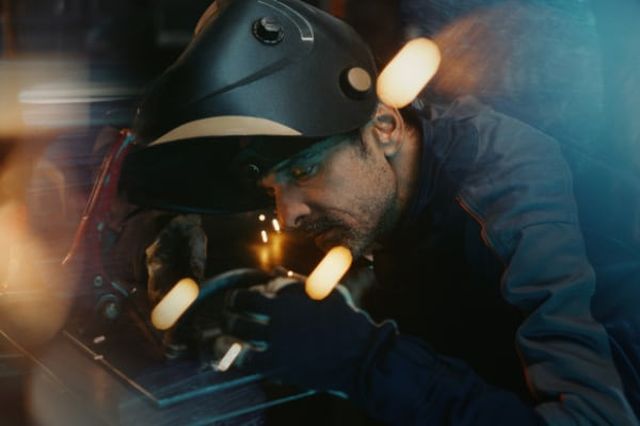
Burning hot embers, sparks and fire should never touch the skin of a human, our high-performance, FR and Welding protection garments are essential for workers in these environments.

visibility
Stay seen and secure with our high-visibility solutions, designed to keep workers visible and protected in environments such as railways, roads, docks, airports, and construction.
anti-static / ESD
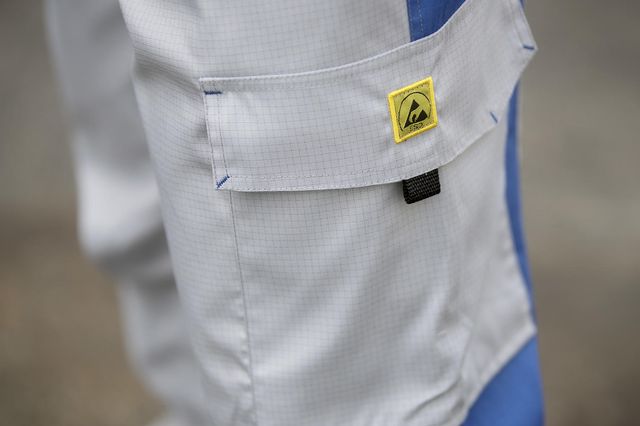
Industries where electrostatic discharge poses a threat require anti-static/ESD garments. These specialized garments prevent static electricity buildup during sensitive operations, providing a crucial line of defense for worker safety.
molten metals
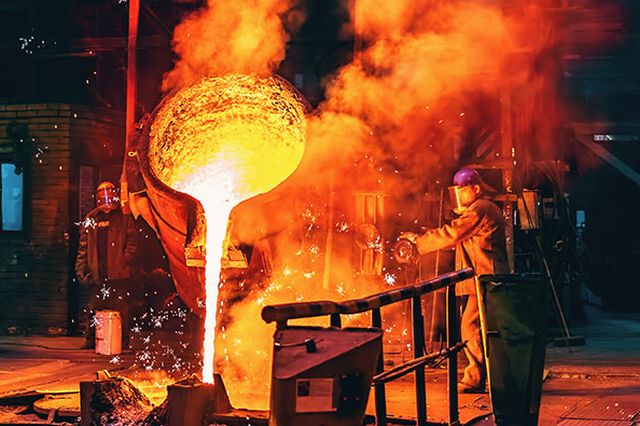
Protective solutions to ensure your team's safety from molten metal hazards, ensuring maximum-level protection against various metals, including zinc, nickel, and lead, ensuring your team's safety.
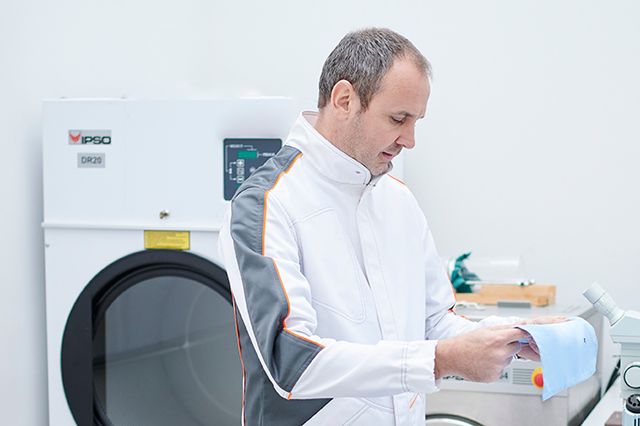
chemical
Chemical-resistant attire is necessary for protecting workers from hazardous substances in various industries. Alsico's reliable protective clothing creates a secure barrier against potentially harmful chemicals, prioritizing workplace safety.
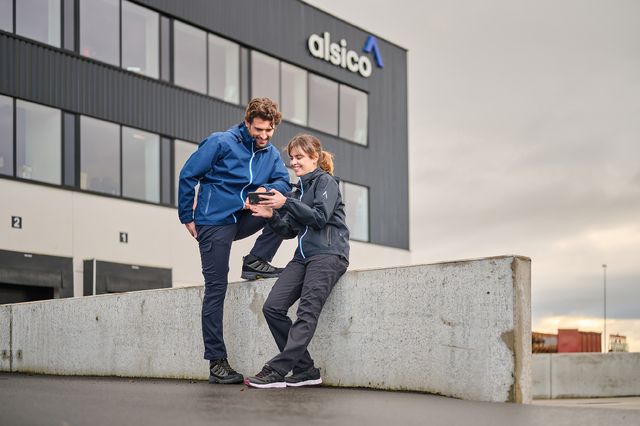
rain and cold
Rain and cold weather workwear is pivotal in ensuring safety and comfort in challenging conditions, ensuring workers across diverse industries can perform their tasks safely and efficiently.
get in touch
