


1 April 2026
7 common myths about arc flash safety
Arc flash incidents are sudden. There are no warning signs, and there is no time to quickly revise your arc flash safety procedures or the clothing your team was issued. By then, it is already too late.
What makes arc flash particularly dangerous isn't just the energy involved: it’s the number of widely held beliefs about arc flash safety that are simply wrong. These myths often persist across large organisations and can become embedded in procurement decisions, written into risk assessments and repeated in inductions.
Read on as we explore some of the most common and dangerous myths associated with arc flash safety.
myth 1: "flame-resistant clothing provides arc flash protection"
The belief here is that if a garment is flame-resistant, meaning it won't catch fire, it'll also protect someone from arc flash.
the reality
Flame-resistant (FR) clothing and arc flash clothing are not the same thing. A garment can be certified as flame resistant, meeting standards like EN ISO 11612, but it won't offer any meaningful protection against the thermal hazards of an electric arc.
Arc flash generates a concentrated release of radiant heat, pressure and molten metal that is fundamentally different from contact with a flame or a flash fire. Arc flash safety clothing must be tested and certified specifically against arc conditions under IEC/EN 61482-2. These standards test the complete garment, including seams, fastenings and stitching, against both heat and the physical force of the arc. Anything that has not been tested specifically for arc flash will not provide sufficient protection.
This is an important distinction if your organisation issues protective workwear across a large workforce. If procurement decisions have historically conflated FR certification with arc flash protection, it is worth reviewing the specifications currently in use against the standards relevant to each role and task.
myth 2: "arc flash only happens with high-voltage equipment"
Some people think an arc flash is a high-voltage problem, and that the risk is negligible or non-existent below a certain voltage threshold (e.g. 1,000V).
the reality
Arc flash can occur at low voltages, including the 230V and 415V systems found in many commercial and industrial buildings. Voltage determines the conditions that make an arc possible. But it is not the only factor influencing the severity of an incident. Current availability, fault duration and distance from the arc point all contribute to how much incident energy someone is exposed to.
Low-voltage environments can produce extremely high incident energy levels. High fault currents combined with slow protection clearing times mean that hazard severity is, on average, no lower at low voltage than at high voltage.
In terms of arc flash electrical safety, this means that any work on or near live electrical systems requires a proper assessment of the risk. You should never assume that low-voltage work is inherently safe enough to proceed without arc flash controls.
myth 3: "a risk assessment is a one-time exercise"
Once an arc flash risk assessment has been completed and PPE issued, the organisation is covered. There's no need to revisit the assessment unless something major changes.
the reality
An arc flash risk assessment is based on the state of your electrical systems at a specific point in time. However, electrical systems are not static. Equipment is upgraded over time, layouts change, new distribution boards are added and maintenance schedules shift. Any one of these changes can affect incident energy levels at specific points in your installation.
This means that arc flash safety procedures that were appropriate for your site two years ago may no longer reflect the actual hazard your team faces today. In large organisations with multiple sites and complex infrastructure, the gap between the last assessment and current conditions can be significant.
UK health and safety regulations require risk assessments to be reviewed when there is reason to believe they are no longer valid. But best practice in arc flash risk management sets a higher bar than that minimum. Regular reviews that are triggered by system changes is one way your organisation can stay ahead of the risk rather than responding to it.
myth 4: "arc flash is just a burn hazard"
Another common misconception is that burns are the main risk associated with arc flash, and therefore that burn prevention is the sole purpose of arc flash PPE.
the reality
Thermal injury is the primary cause of death and serious harm in arc flash incidents, but it is not the only hazard. An arc flash event also generates:
- A pressure wave — sometimes referred to as arc blast. This can cause concussive injury and ruptured eardrums, and can even fling personnel across a room
- Intense ultraviolet and infrared radiation – these can cause serious eye injury even at distances outside the arc flash boundary
- Molten metal and debris – both are frequently expelled at high velocity from the point of the fault
- Sound levels that can cause permanent hearing damage
Arc flash safety equipment must account for all these hazards, not just the thermal element. A face shield with the correct arc rating, hearing protection, appropriate footwear and arc-rated gloves are all part of a complete protection system. Clothing alone, however well-rated, does not provide full protection if hands, face and hearing are left exposed.
When reviewing your arc flash PPE arrangements, consider whether protection has been specified system-wide or whether focus has been placed almost entirely on garments. Both are important, but neither alone is sufficient.
myth 5: "experienced engineers don't need formal procedures"
There is often a flawed assumption that seasoned electrical engineers understand arc flash risks, and that over-specifying arc flash safety procedures creates unnecessary bureaucracy for people who know what they're doing.
the reality
A significant proportion of arc flash incidents involve experienced workers—people who have carried out the same task hundreds of times without incident. Familiarity does not reduce the risk. In many cases, it increases it, because confidence can lead to shortcuts that bypass the controls that keep people safe.
Arc flash safety procedures exist not because experienced engineers are incompetent. They exist because human factors (such as distraction and time pressure) introduce risks that technical knowledge alone cannot eliminate. Permit-to-work systems, defined isolation procedures and pre-task checks are not a commentary on capability. They are the controls that account for the conditions in which most work takes place.
For large organisations, this is also a governance issue. Documented and consistently followed arc flash safety procedures demonstrate that your duty of care has been discharged. It is what protects your organisation if something goes wrong. Informal practice, however competent it feels on the ground, does not provide that protection.
myth 6: "heavier, higher-rated PPE always means better protection"
There is a high level of recklessness in assuming that more protection is always better, and therefore giving everyone the highest arc-rated clothing available.
the reality
Over-specification carries its own risks. Arc flash safety clothing that is too heavy or bulky for the task can increase heat stress and restrict movement. This makes it harder for people to carry out work correctly and safely. There is also a higher risk that garments that are uncomfortable are more likely to be adjusted, left unfastened or removed altogether, undermining the protection entirely.
The right approach is to match protective workwear to the actual incident energy levels identified in your risk assessment. That does mean selecting arc flash safety clothing with an ATPV or ELIM rating that exceeds the calculated hazard, but it should never be by such a high margin that comfort and wearability are sacrificed without reason.
Layered garment systems offer a solution to this challenge. Combining an arc-rated base layer with a mid-layer and outer garment makes it possible to build up the combined ATPV of the system while keeping individual garments lighter and more comfortable. The system can also be adjusted by task, so employees can safely remove or add layers depending on the work being carried out.
For procurement teams specifying arc flash safety equipment across large workforces, this approach makes it easier to match protection levels to job roles. There is no need to default to a single specification that over-protects some people and potentially under-serves others.
myth 7: "PPE is the primary defence against arc flash"
Another persistent myth is that if your team is wearing the right arc flash safety clothing, you've dealt with the risk.
the reality
PPE is the last line of defence, not the first. This isn't a semantic point; it has real implications for how arc flash risk should be managed and how budgets should be prioritised.
The hierarchy of control requires you to eliminate or reduce risk at source before specifying protective equipment. In arc flash electrical safety, that means:
- Prioritising dead working wherever it is reasonably practicable
- Implementing automatic disconnection of supply (ADS) to reduce fault clearing times and incident energy
- Using arc-resistant equipment and remote operating tools to reduce exposure
- Reviewing whether tasks that currently require live work could be redesigned or rescheduled
Engineering and procedural controls reduce the likelihood that an arc flash occurs and, if it does, limit the severity of the event. Regardless of how well-specified PPE is, it cannot substitute for those earlier stages. It mitigates the consequences of an incident that has already occurred, but it never reduces the probability of it happening.
Organisations that treat arc flash safety as primarily a PPE procurement exercise are, by definition, starting at the end of the control hierarchy. An approach that addresses prediction, prevention, process and protection in sequence is more effective.
arc flash protection from alsico
Getting arc flash safety right means having an accurate, up-to-date picture of the hazards across your sites, and specifying equipment and clothing that is matched to real incident energy levels. If any of the myths above have raised questions about your current approach, it may be worth reviewing how arc flash safety is managed across your organisation.
Alsico’s arc-rated workwear is certified to EN 61482-2 and designed to support layered systems, helping you build up protection levels matched to calculated incident energy values without adding unnecessary bulk or compromising comfort. From arc-rated base layers through to outer garments, each piece is designed to work together.
We have also recently developed a new multi-protect fabric, Kibo – a lightweight, breathable and stretchable fabric, brand new to the market. Kibo can support lightweight layering and enhanced movement without compromising on protection.

If you're responsible for specifying arc flash safety equipment across a large or multi-site workforce, our UK team can help you translate assessment findings into practical, compliant and wearable solutions.
learn more about the sub environments we supply into

electricity and arc flash
Our clothing, tailored to specific risk levels, offers significant protection, enhancing safety in industries where Arc Flash incidents are prevalent, minimising the risk of serious burns and injuries.
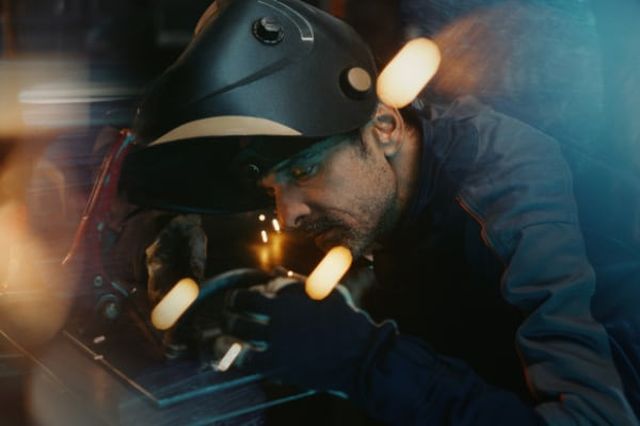
heat, flame, and welding
Burning hot embers, sparks and fire should never touch the skin of a human, our high-performance, FR and Welding protection garments are essential for workers in these environments.

visibility
Stay seen and secure with our high-visibility solutions, designed to keep workers visible and protected in environments such as railways, roads, docks, airports, and construction.
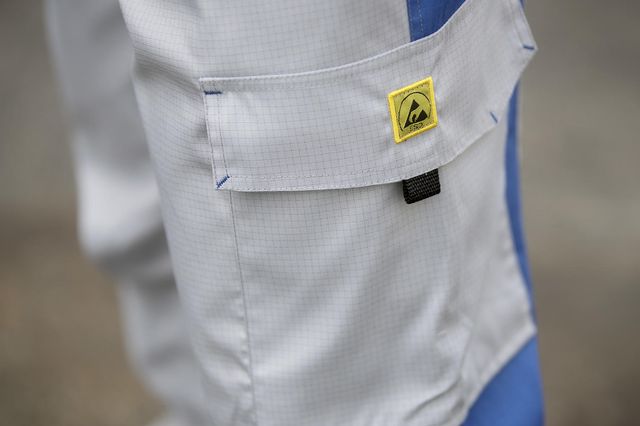
anti-static / ESD
Industries where electrostatic discharge poses a threat require anti-static/ESD garments. These specialized garments prevent static electricity buildup during sensitive operations, providing a crucial line of defense for worker safety.
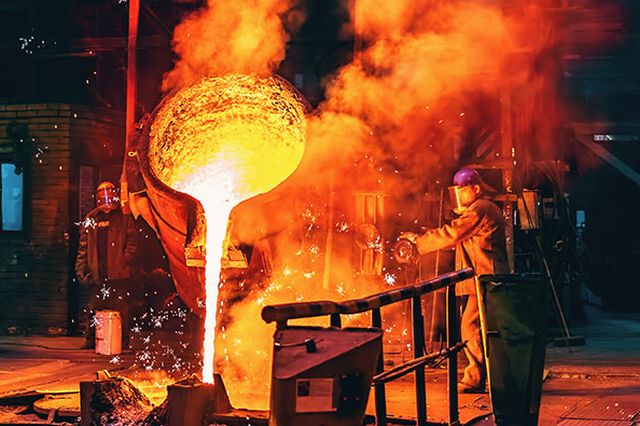
molten metals
Protective solutions to ensure your team's safety from molten metal hazards, ensuring maximum-level protection against various metals, including zinc, nickel, and lead, ensuring your team's safety.
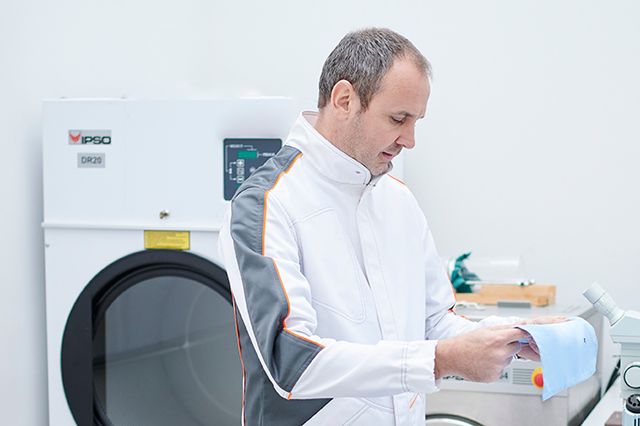
chemical
Chemical-resistant attire is necessary for protecting workers from hazardous substances in various industries. Alsico's reliable protective clothing creates a secure barrier against potentially harmful chemicals, prioritizing workplace safety.
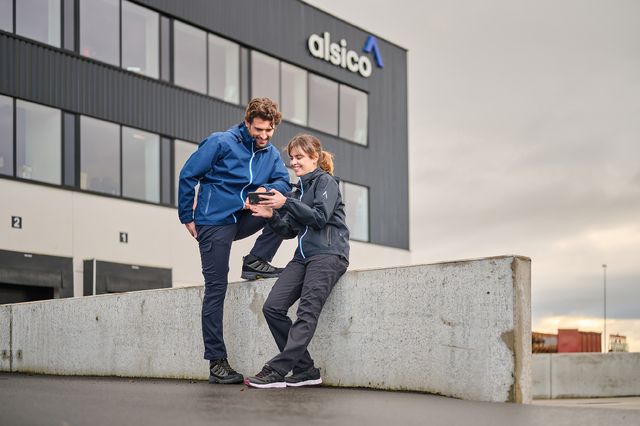
rain and cold
Rain and cold weather workwear is pivotal in ensuring safety and comfort in challenging conditions, ensuring workers across diverse industries can perform their tasks safely and efficiently.
contact us
