


23 December 2025
how do different arc flash garments work together to provide protection?
Arc flash garments are designed to work as a system, not as standalone items. When each layer is chosen and worn correctly, they help you and your staff work comfortably, compliantly and safely in environments where an arc flash could occur.
This article explains how arc flash clothing works together, how layers affect protection, and what to consider during an arc flash risk assessment.
why arc flash garments work as a system
Arc flash is a rapid release of energy caused by a fault in a live electrical system. The heat, light and pressure can be severe, so PPE needs to work together to reduce thermal injury.
Arc flash garments include base layers, mid layers and outer layers. Each layer has its own function, and together they form a barrier that slows heat transfer and reduces burn injury.
The principle is simple. Every layer counts, and adding the wrong layer can weaken the overall system.
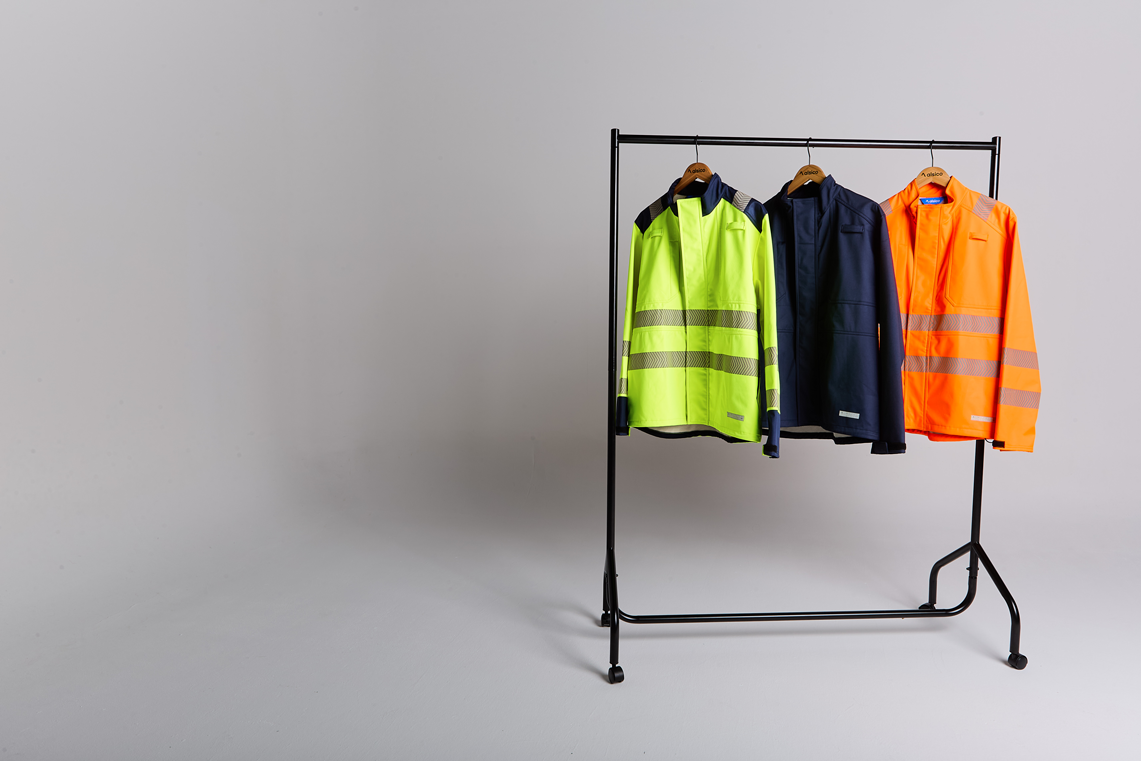
understanding how layered protection works
Arc flash PPE clothing is certified under IEC 61482-2, the main standard for protective clothing against thermal hazards of an electric arc. Garments are tested using:
how each layer contributes to protection
A layered arc-flash system works because every garment adds something different to the overall protection.
1. base layers
Base layers form the first line of defence against heat transfer. Good base layers:
- Are made from arc-rated fibres.
- Provide moisture management without compromising thermal resistance.
- Offer a stable foundation so the outer garments can perform as tested.
If someone wears a non-rated synthetic T-shirt underneath an otherwise strong PPE system, it can melt and increase injury. This is why arc flash protective clothing should always include compatible base layers.
2. mid layers
Mid layers provide extra insulation without adding bulk. They can include shirts, polos or light jackets made with arc-rated fabrics. Their role is to:
- Add thermal resistance.
- Create air gaps that help slow heat transfer.
- Offer comfort and movement so people can work effectively.
- Support temperature regulation between inner and outer layers.
Mid layers are also helpful for cooler environments where workers need warmth but cannot compromise on arc-flash protective equipment.
3. outer layers
The outer layer is typically the most durable part of the system. These garments are designed to resist abrasion, sparks, and mechanical wear while maintaining arc-flash performance. The outer layer:
- Often carries the highest ATPV/ELIM rating.
- Must be sized correctly to allow air layers to form underneath.
- Should be zip- or button-closed to prevent openings that let heat through.
- Protect inner layers from abrasion and routine wear.
This is where a jacket, coverall or smock within an arc-flash PPE clothing range provides the strongest outward protection.
how layering increases arc flash PPE performance
Every tested garment carries its own arc flash rating, but combined systems can achieve:
- A higher effective ATPV/ELIM rating.
- More time before critical temperature rises.
- Better overall protection in a real incident.
- Greater stability across different working positions and movements.
For example, combining an arc-rated base layer with a mid-layer and an outer jacket can produce a system ATPV that exceeds individual ratings.
This happens because layered garments trap small pockets of air that slow heat transfer, and because each fabric responds to rising temperature in its own way. When these layers work together, the combined system performs better than any single garment alone. This is reflected in how IEC 61482-2 testing measures the cumulative effect of multiple layers.
Your organisation’s risk assessment then determines which combination is appropriate for the tasks and incident-energy levels in your environment.

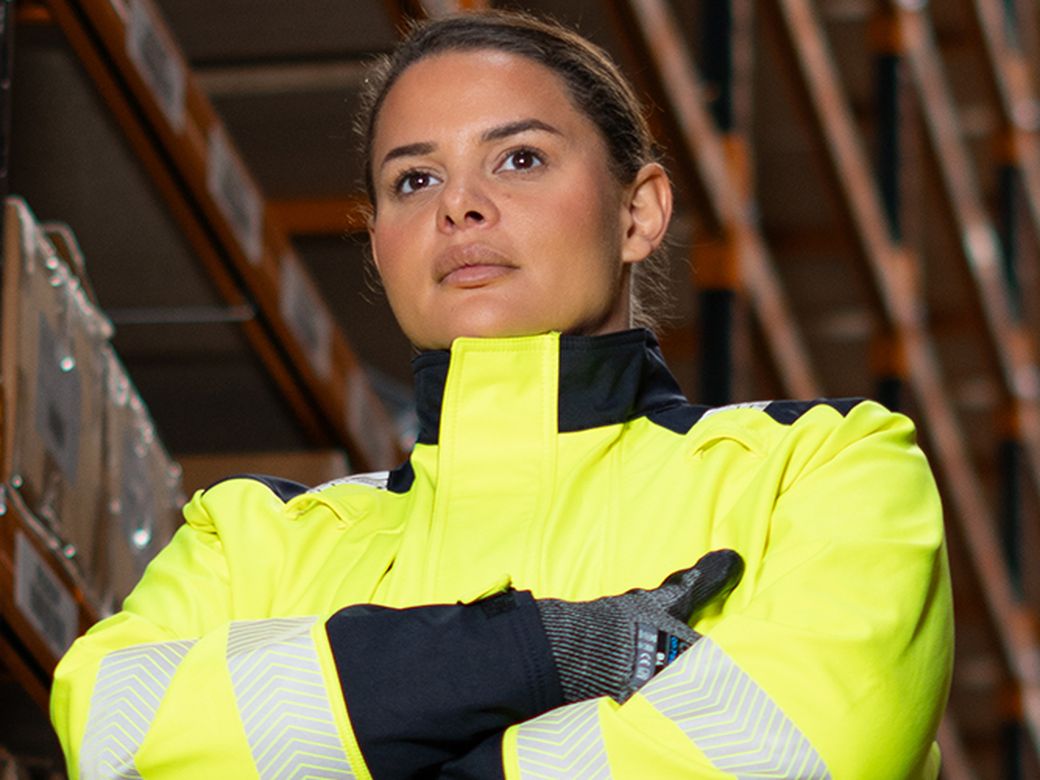
why fit, comfort and movement are important
Protection only works when people wear PPE correctly. Good arc flash garments:
- Maintain protection through regular washing.
- Allow a full range of movement.
- Keep bulk to a minimum so workers can move safely around electrical panels.
- Hold their shape and fit after repeated wear.
- Reduce snagging risks when working in confined or crowded electrical spaces.
Alsico designs arc flash workwear & uniforms with a strong focus on wearer protection and day-to-day practicality. The range also emphasises inclusive PPE options to support a wider range of body shapes and working needs. Comfortable, well-fitting garments help staff stay protected and compliant across sectors such as utilities, rail, electrification and manufacturing.
how arc flash garments work with other PPE
Arc flash safety equipment isn’t limited to clothing. There are other PPE items, such as face shields, gloves, hoods and footwear that need to integrate smoothly with the clothing system.
Good compatibility ensures:
- No exposed skin or gaps.
- Ratings that match the levels defined in your arc flash risk assessment.
- Steady performance when different PPE pieces are used together during routine tasks.
- Freedom to move and work safely in confined spaces.
Workers should be trained to check fastenings, seals and closures so that PPE forms a continuous barrier.
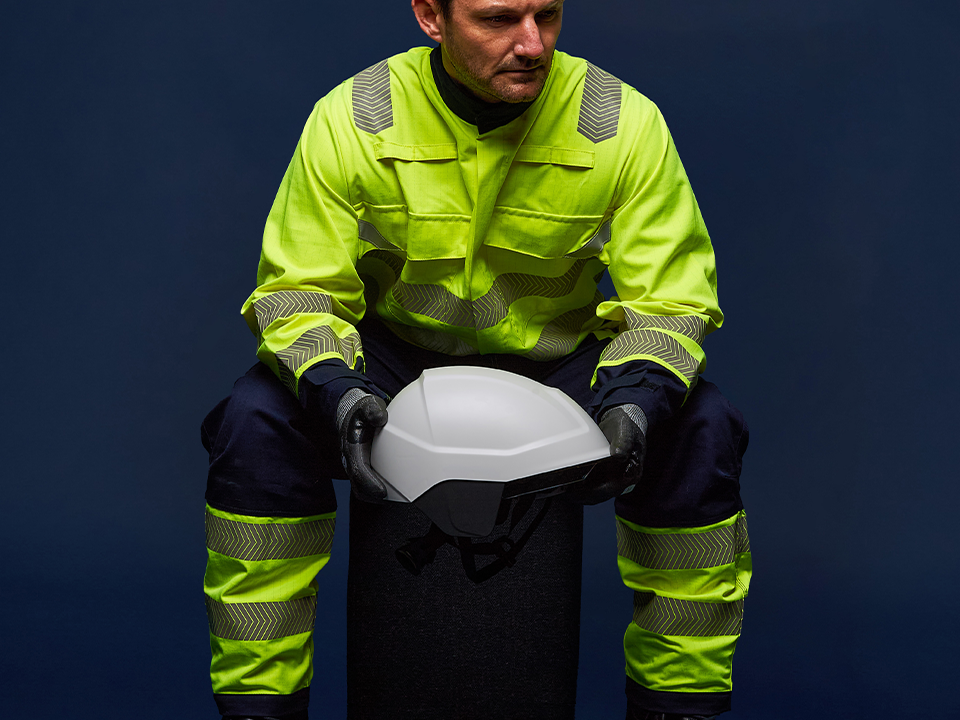
common layering mistakes and how to avoid them
using flammable underlayers
Non-rated synthetic clothing worn close to the skin can melt during an arc flash. Stick to arc flash protective clothing for all layers, including underwear where specified.
mixing rated and non-rated layers
The system only performs as tested when all layers are rated.
choosing garments too tight or too loose
Sizing is important because tight clothing removes the insulating air gap, and oversized clothing can snag on electrical equipment.
overheating or discomfort
Workers sometimes open zips or roll up sleeves. This compromises the protection system. Choose garments that support comfort, so the PPE stays closed.
how a risk assessment informs the garment system you choose
An arc flash risk assessment doesn’t describe the garments themselves. Instead, it defines the level of incident energy workers may face at each task. That number directly influences how many layers, and which combination of garments you need to create a safe system.
In practice, it guides decisions such as:
- Whether a single outer layer is enough, or whether staff need arc-rated base layers plus a mid-layer.
- Whether ATPV/ELIM ratings must be met through layering, rather than buying an extremely heavy single garment.
- How much mobility workers need, so you can choose lighter multi-layer systems instead of thick outerwear alone.
- When different tasks need different combinations, such as adding a mid-layer only for switching operations.
The assessment influences the system to employ, not individual items. This helps you match garments in a way that maintains protection without adding unnecessary bulk or heat.
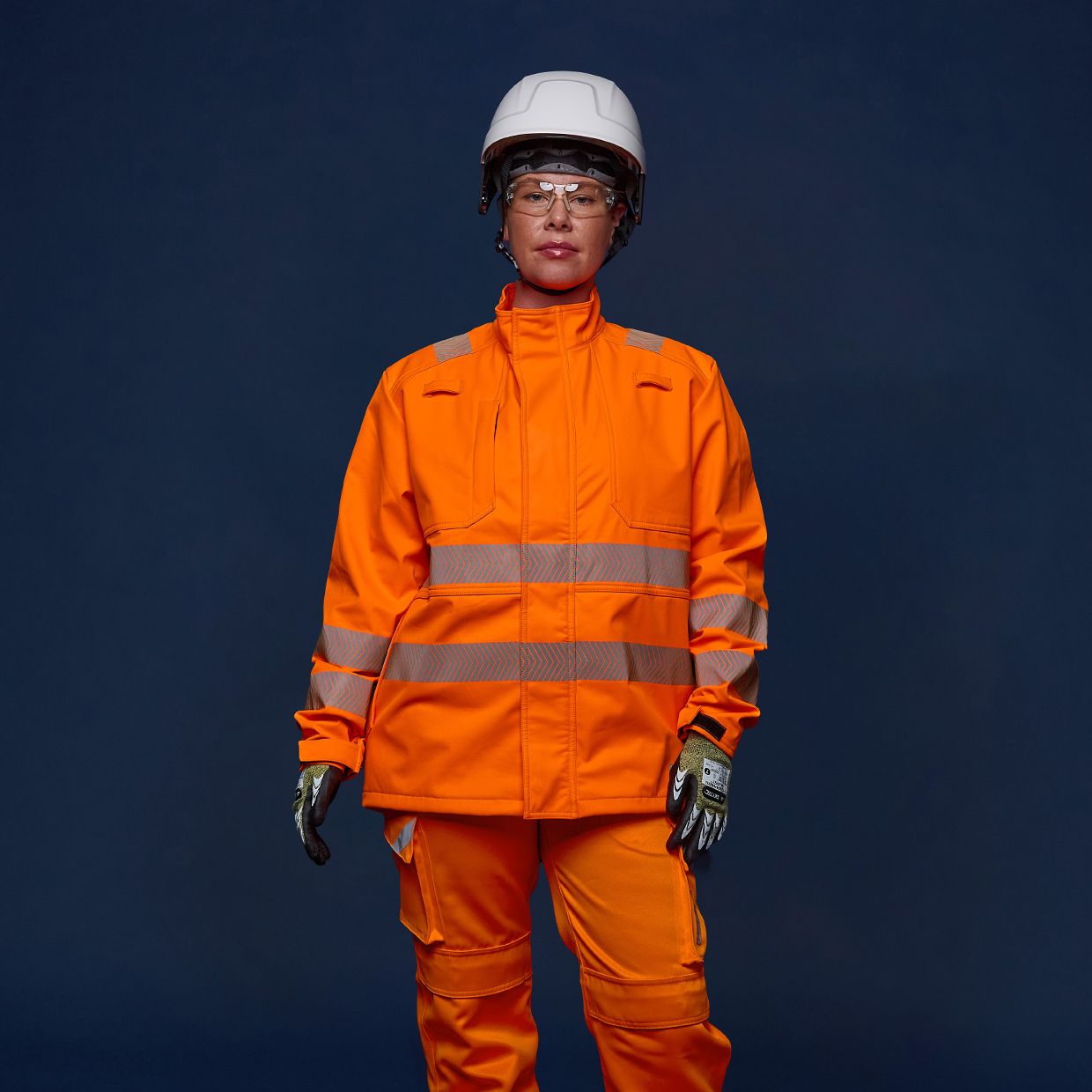

speak with our UK team of experts about your needs, or explore our full range of arc-rated workwear
frequently asked questions
Both come from open-arc testing (IEC 61482-1-1).
- ATPV is the incident energy level at which a 50% probability of a second-degree burn exists.
- ELIM is the level at which no second-degree burn is expected. ELIM is more conservative.
Yes, but only when garments are designed to be worn together. Combined systems can achieve higher thermal performance than single-layer garments.
Yes. Base layers prevent melting and contribute to overall thermal resistance. Non-rated clothing underneath PPE can increase injury risk.
Not always. Some FR garments may not be arc-rated. Look for certification under IEC 61482-2.
learn more about the sub environments we supply into
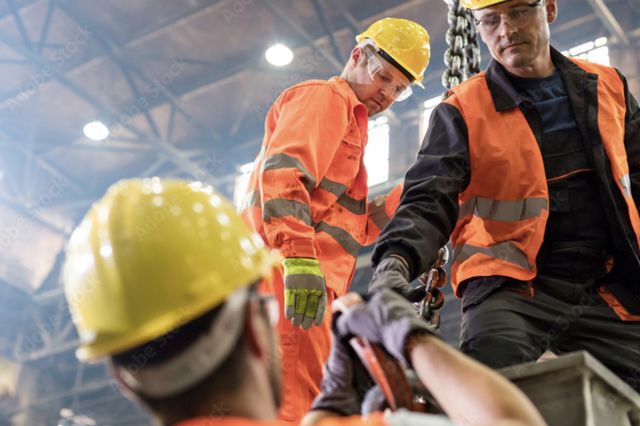
electricity and arc flash
Our clothing, tailored to specific risk levels, offers significant protection, enhancing safety in industries where Arc Flash incidents are prevalent, minimising the risk of serious burns and injuries.
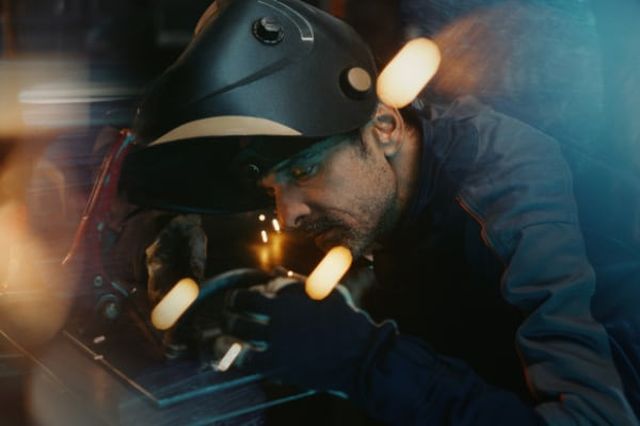
heat, flame, and welding
Burning hot embers, sparks and fire should never touch the skin of a human, our high-performance, FR and Welding protection garments are essential for workers in these environments.

visibility
Stay seen and secure with our high-visibility solutions, designed to keep workers visible and protected in environments such as railways, roads, docks, airports, and construction.
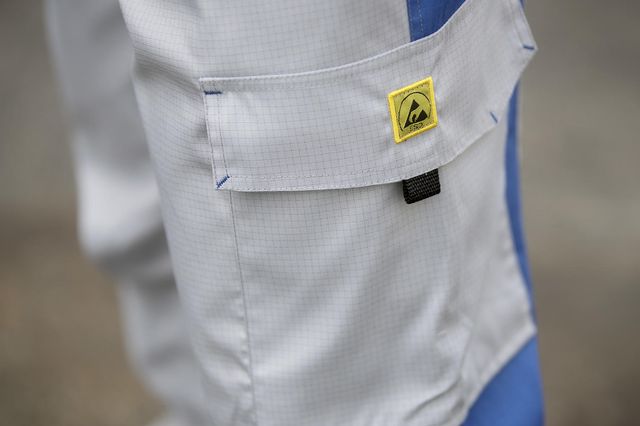
anti-static / ESD
Industries where electrostatic discharge poses a threat require anti-static/ESD garments. These specialized garments prevent static electricity buildup during sensitive operations, providing a crucial line of defense for worker safety.
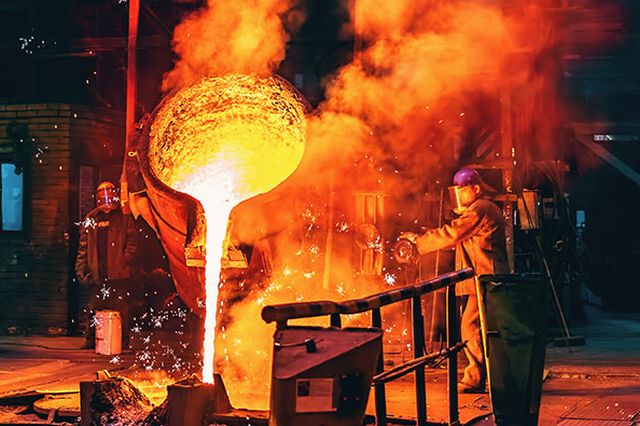
molten metals
Protective solutions to ensure your team's safety from molten metal hazards, ensuring maximum-level protection against various metals, including zinc, nickel, and lead, ensuring your team's safety.
chemical
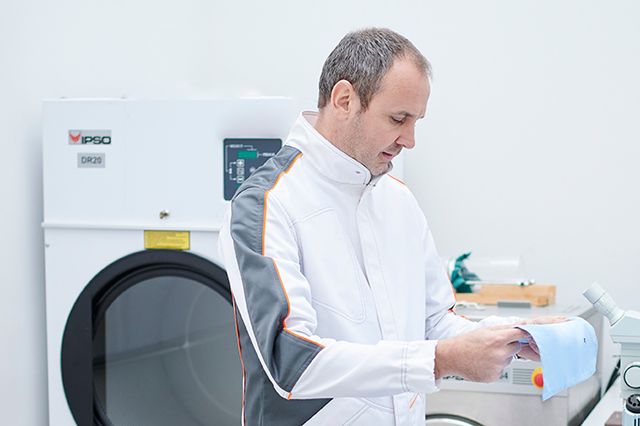
Chemical-resistant attire is necessary for protecting workers from hazardous substances in various industries. Alsico's reliable protective clothing creates a secure barrier against potentially harmful chemicals, prioritizing workplace safety.
rain and cold
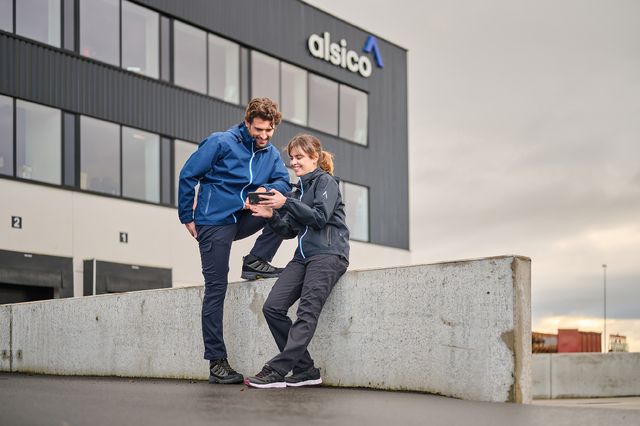
Rain and cold weather workwear is pivotal in ensuring safety and comfort in challenging conditions, ensuring workers across diverse industries can perform their tasks safely and efficiently.
contact us
