


27 January 2026
what is the 4P methodology in workplace risk assessment?
When people are working around live electrical systems, exposure is real and the consequences are severe. Traditional risk assessments often struggle here because they treat hazards as static, when in reality they change with the task, the equipment, and the person doing the work.
The 4P methodology was developed to deal with that reality. It shifts risk assessment away from paperwork and towards how work happens on site. Instead of focusing only on what people wear at the end of the process, it looks at how risk is predicted, reduced, controlled, and only then protected against. Allowing you to make safer decisions before anyone is exposed.
While the 4P framework is best known for managing arc flash risk, its logic applies anywhere people are working in high-energy, high-consequence environments.
what are the four pillars of the 4P methodology?
The 4P methodology breaks workplace risk management into four connected stages: predict, prevent, process, and protect. Together, they form a complete safety system that matches how people interact with hazards in the real world.
At its core, the method follows the hierarchy of control. That means starting with actions that remove danger altogether, before relying on controls that depend on behaviour or personal equipment. Too many risk assessments jump straight to PPE. The 4P approach deliberately pushes that decision to the end.
By working through the pillars in order, you reduce the chance that people are asked to rely on clothing or equipment when the risk could have been reduced earlier through design, isolation, or safer ways of working. PPE is still essential, but only as a calculated last line of defence, not the first response.
1. predict
Prediction is where the 4P methodology starts, because everything that follows depends on it. This stage is about understanding the risk people face, not making assumptions based on past practice or generic categories.
In electrical environments, prediction means calculating potential incident energy levels using recognised engineering methods. Engineers model the system using standards such as IEEE 1584, which sets out how arc flash energy is calculated at specific points based on how the equipment is built and protected.
From this, incident energy levels are established and arc flash boundaries defined. These figures tell you how much thermal energy a person could be exposed to, and at what distance. Without this information, decisions about isolation, procedures, or protective clothing are based on assumptions rather than evidence.
Accurate prediction helps you determine where the real dangers are—and just as importantly, where they aren’t. Then the rest of the assessment can focus on protecting people in a targeted, proportionate way.

2. prevent
Once you understand the level of risk, the next step is to stop people being exposed to it in the first place. Prevention focuses on changing the task or the system, so the hazard is removed or reduced before anyone has to rely on what they’re wearing.
The safest option is always dead working. If equipment can be isolated, locked off, and proven safe, the arc flash hazard no longer exists for the person doing the work. Where live work cannot be avoided, prevention is about limiting how severe an incident could be and how long it lasts.
On site, that usually means introducing controls like:
- Automatic Disconnection of Supply (ADS), where protection settings are adjusted so faults clear more quickly and release less energy.
- Equipment designed to manage arc energy, such as arc-resistant switchgear or internal arc control systems.
- Remote operation, using racking devices or switching tools that allow work to be done outside the arc flash boundary.
- Task planning that removes exposure, so people are not positioned in front of live equipment during high-risk operations.
Each of these measures reduces how close people need to be to danger. If you implement prevention properly, you lower the demands placed on procedures and protective clothing later.
3. process, policies, and procedures
Even the best engineering controls only work if people interact with them in the right way. The process pillar focuses on how work is planned, authorised, and carried out, allowing for safe decisions that depend on memory or habit in high-pressure situations.
This stage is about giving your team clear boundaries and support before they approach live equipment. It defines who can do the work, under what conditions, and what must be checked before a task begins.
Strong process controls usually include:
- Clear rules on dead working, so live tasks are the exception, not the norm.
- Permit-to-work systems that confirm isolation, competence, and authorisation before access is granted.
- Safe Systems of Work (SSoW), setting out each step of the task, the tools allowed, and the conditions that must be met.
- On-site checks before work starts, allowing workers to flag changes that weren’t visible during the original assessment.
Process is where the human element is properly accounted for. It recognises that people work in changing environments, and then builds safeguards that support good judgement, rather than assuming perfect behaviour.

4. protect
Even when risk has been predicted, reduced, and tightly controlled, it can’t be removed entirely. That’s where protection comes in.
This final pillar is about ensuring that when people do have to work near residual risk, they’re properly protected against the levels of energy identified earlier in the assessment. At this stage, PPE selection is linked to the figures established during prediction.
Protective clothing and equipment must be chosen so it can withstand the incident energy a person could realistically be exposed to. That means arc-rated garments with certified Arc Thermal Performance Values (ATPV) or an Incident Energy Limit (ELIM) that exceed the calculated risk, alongside compatible face protection, gloves, and footwear.
Protection works best when it’s specific, intentional, and matched to the task. If PPE is selected this way, it supports the rest of the system instead of compensating for gaps earlier in the process.
why the 4P method must be holistic
The strength of the 4P methodology lies in how the pillars work together. Each stage depends on the one before it, and weaknesses early on create pressure later in the system.
- If risk isn’t predicted accurately, you can’t be confident that procedures or protective clothing are appropriate.
- If prevention is overlooked, people are forced to work closer to danger than necessary.
- If process controls are weak, even well-designed systems can be bypassed or misunderstood.
When all four pillars are applied together, safety moves from being a checklist exercise to becoming part of how work is planned and carried out every day. Decisions are based on evidence, exposure is reduced wherever possible, and protection is used deliberately.
That’s what makes the 4P methodology effective. It keeps the focus where it belongs: on protecting people, not just satisfying a standard.
implementing the 4P methodology with alsico
Putting the 4P methodology into practice means joining up engineering data, site controls, and what people wear on the job. Each part needs to align, or the system starts to break down.
alsico supports the final stage of that process: protection. We do this by helping you translate predicted risk into clothing and PPE that people can rely on in real working conditions. Our arc-rated garments are specified against calculated incident energy levels, tested to recognised standards, and designed so they can be worn correctly for the full duration of the task.
Just as importantly, the clothing has to work for the person wearing it. Fit, movement, layering, and compatibility with other PPE all affect whether protection stays in place when it’s needed. If garments are uncomfortable or restrictive, people adapt them and the system fails.
By integrating protective clothing into the wider 4P approach, you avoid treating PPE as a standalone solution. Instead, it becomes a deliberate, evidence-based safeguard that supports the work your team needs to do.
if you’re reviewing how protection fits into your existing risk assessments, or looking to align arc-rated workwear with calculated risk levels, speak with the alsico team about your requirements.
learn more about the sub environments we supply into
electricity and arc flash
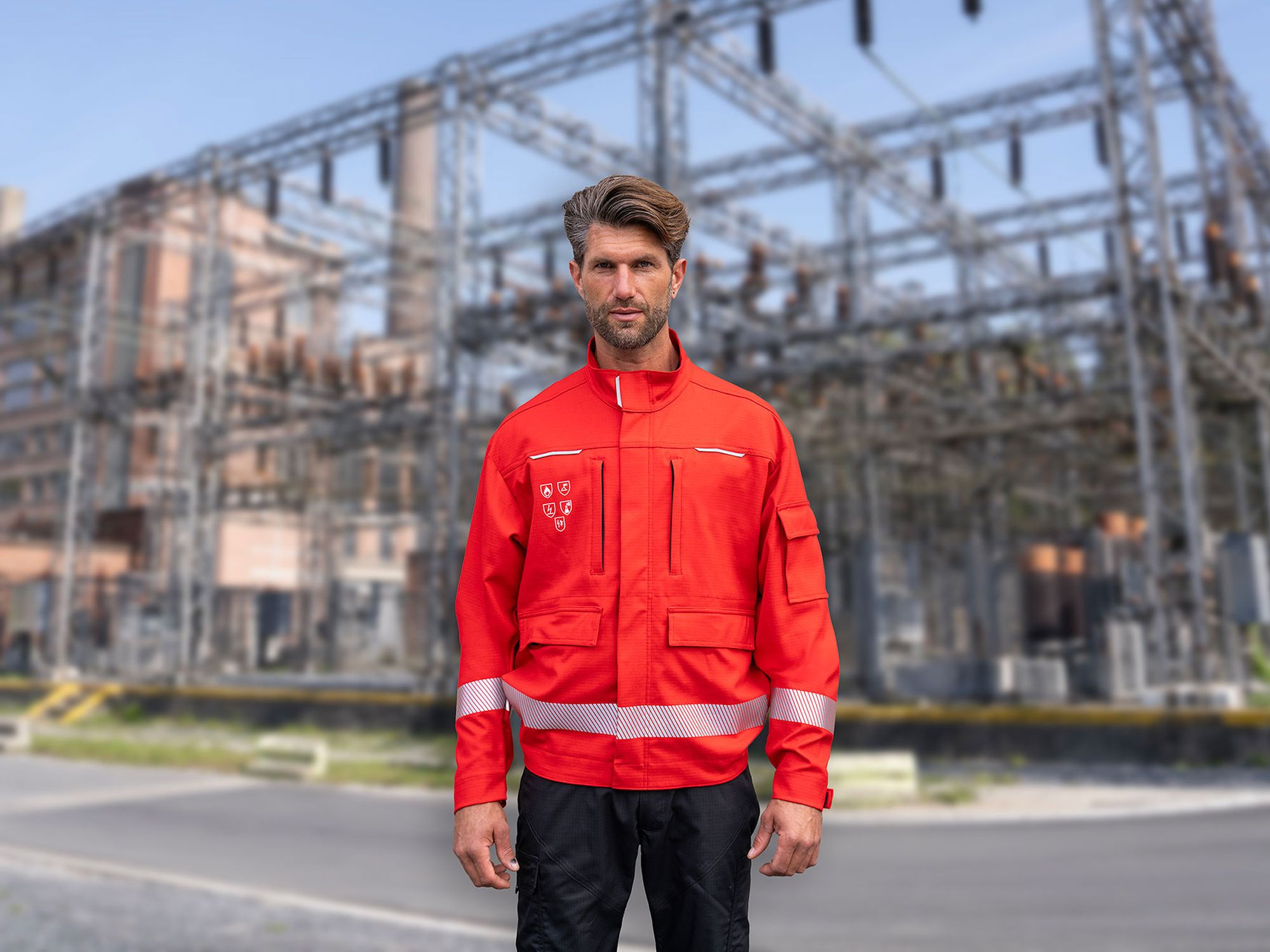
Our clothing, tailored to specific risk levels, offers significant protection, enhancing safety in industries where Arc Flash incidents are prevalent, minimising the risk of serious burns and injuries.
heat, flame, and welding
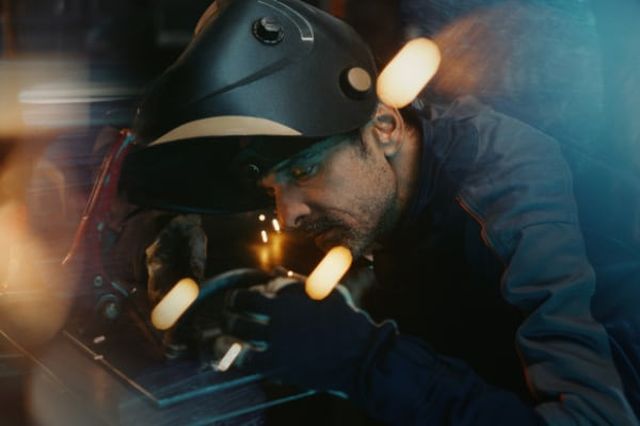
Burning hot embers, sparks and fire should never touch the skin of a human, our high-performance, FR and Welding protection garments are essential for workers in these environments.

visibility
Stay seen and secure with our high-visibility solutions, designed to keep workers visible and protected in environments such as railways, roads, docks, airports, and construction.
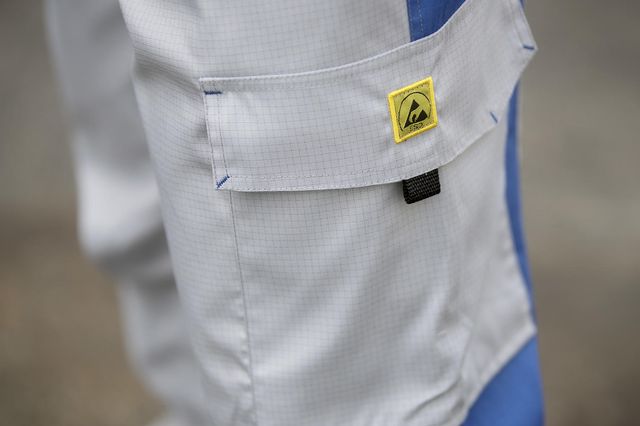
anti-static / ESD
Industries where electrostatic discharge poses a threat require anti-static/ESD garments. These specialized garments prevent static electricity buildup during sensitive operations, providing a crucial line of defense for worker safety.
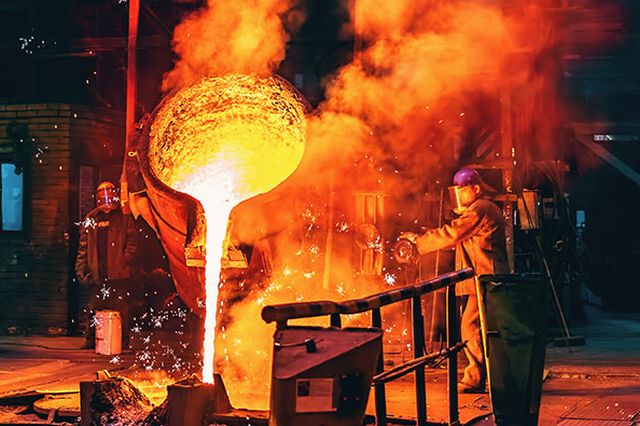
molten metals
Protective solutions to ensure your team's safety from molten metal hazards, ensuring maximum-level protection against various metals, including zinc, nickel, and lead, ensuring your team's safety.
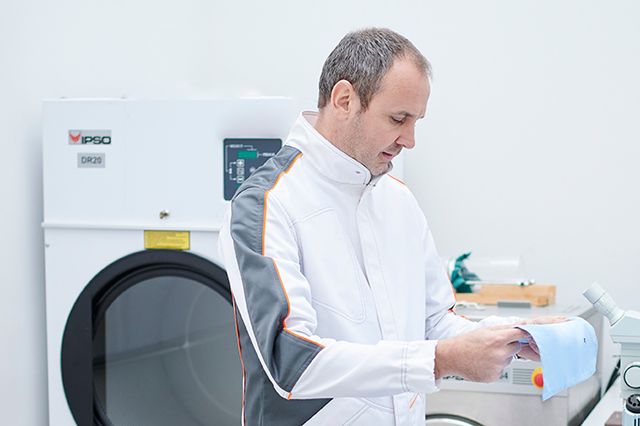
chemical
Chemical-resistant attire is necessary for protecting workers from hazardous substances in various industries. Alsico's reliable protective clothing creates a secure barrier against potentially harmful chemicals, prioritizing workplace safety.
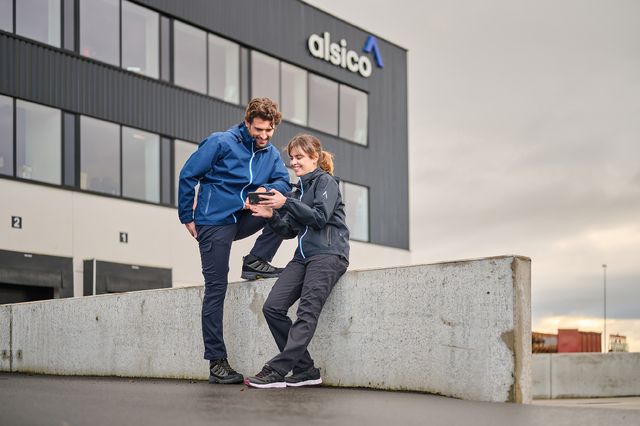
rain and cold
Rain and cold weather workwear is pivotal in ensuring safety and comfort in challenging conditions, ensuring workers across diverse industries can perform their tasks safely and efficiently.
contact us
