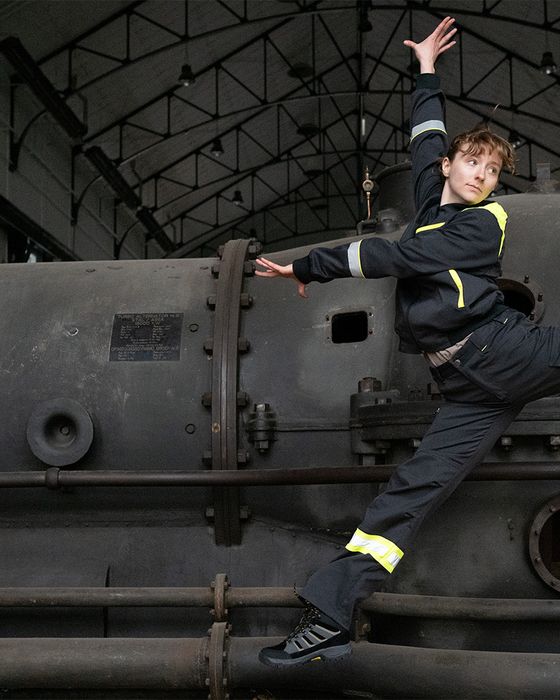
Heat, flame and welding
Protective clothing for environments exposed to heat, flames, welding spatter and molten metal.
Discover heat, flame and welding protective clothing designed for industrial environments. EN ISO 11611 & 11612 certified solutions.
Your next supplier of heat, flame & welding protective clothing
Protective workwear designed for environments where exposure to heat, flames, welding spatter and molten metal presents a risk. With nearly 100 years of expertise, we combine certified protection with comfort and freedom of movement to help keep industrial teams protected throughout their working day.
Understanding heat, flame and welding hazards
Not every working environment requires the same level of protection. Identifying the hazards your employees face is essential when selecting appropriate PPE.
Flame-retardant protective clothing
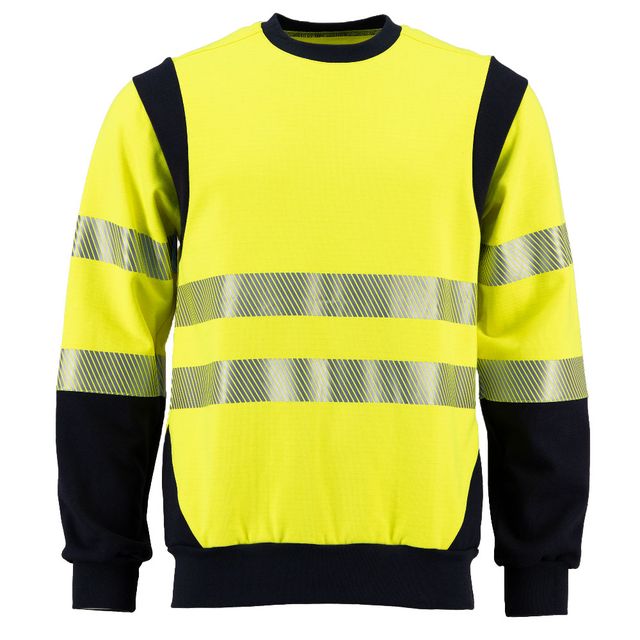
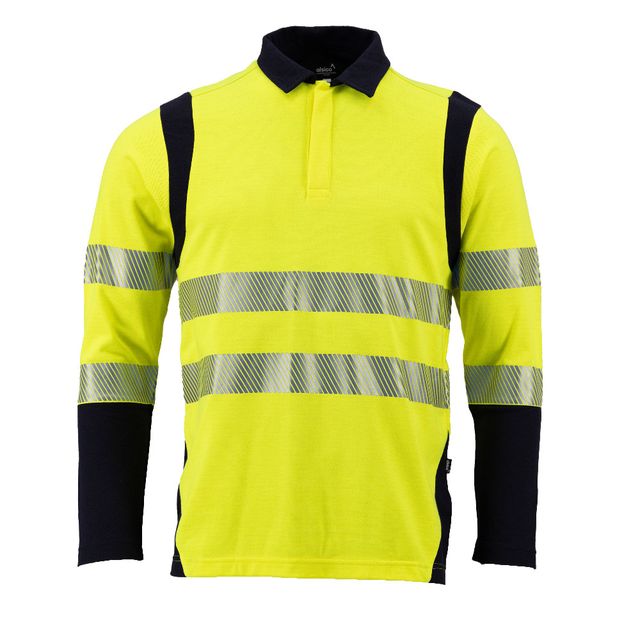
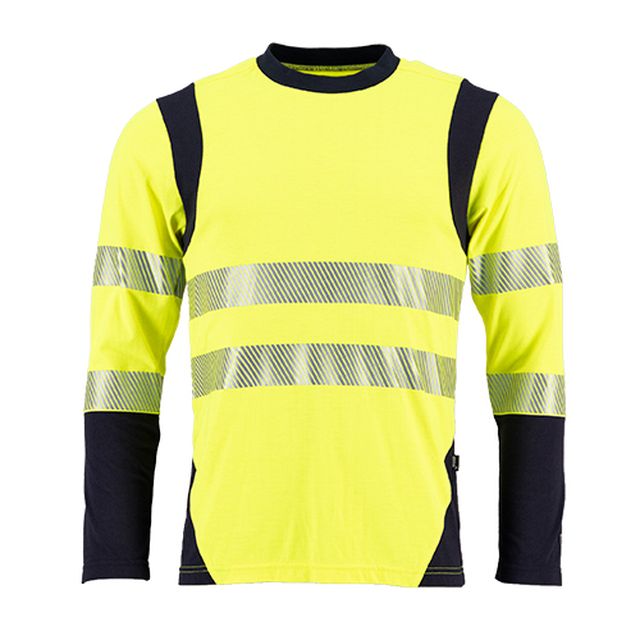
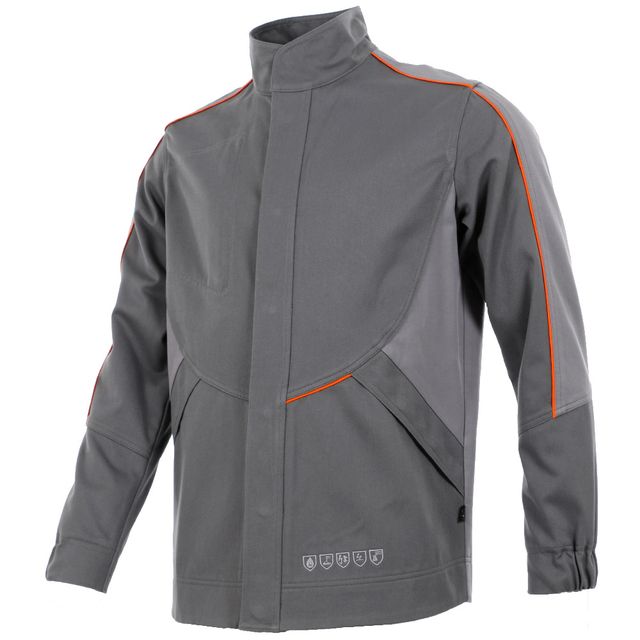
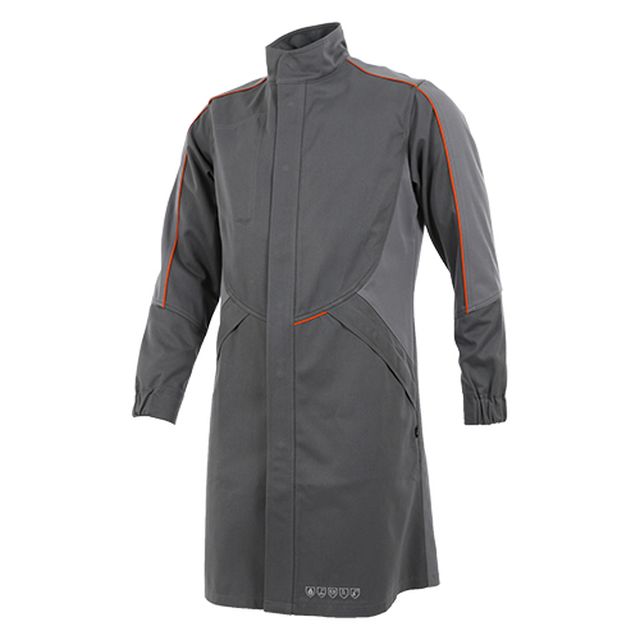
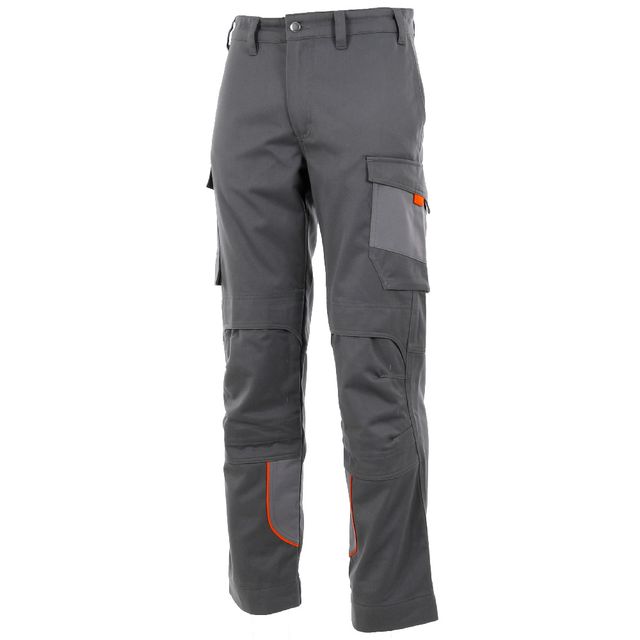
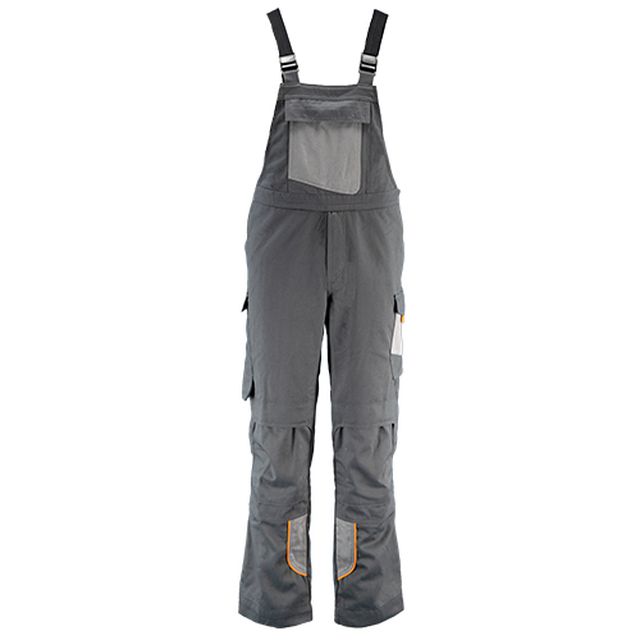
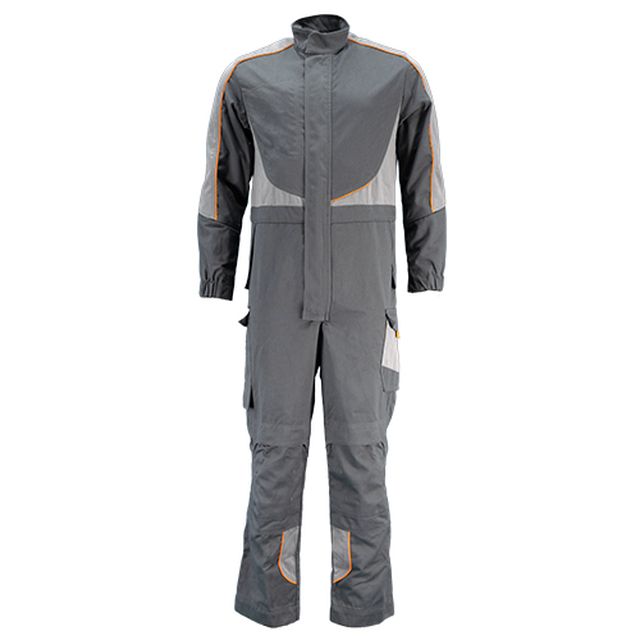
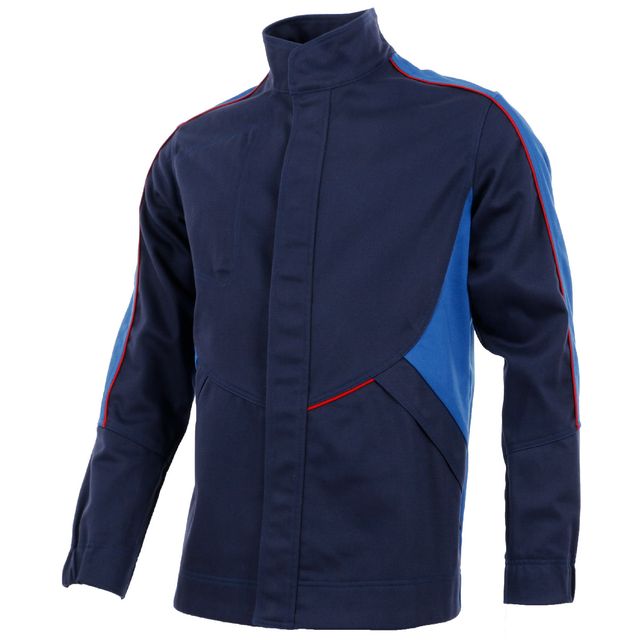
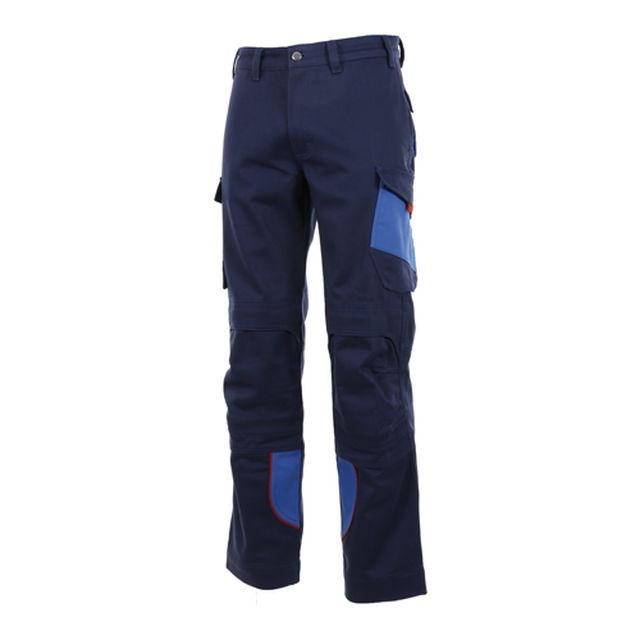
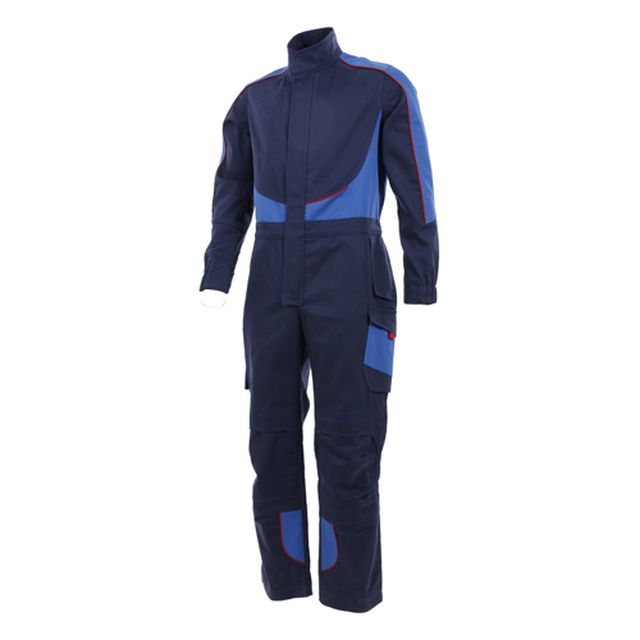
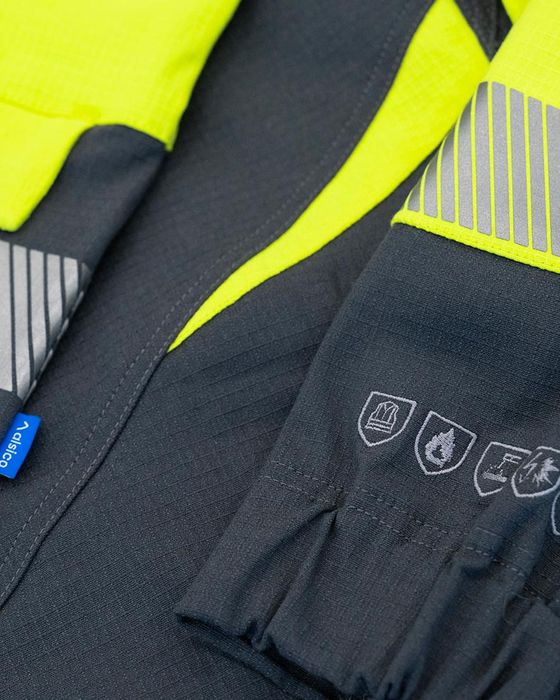
From flame-retardant coveralls and jackets to trousers and specialist welding garments, we offer protective clothing solutions for a range of industrial activities. Our focus goes beyond meeting technical standards. We consider how garments perform during everyday work, including freedom of movementand compatibility with industrial laundering processes.




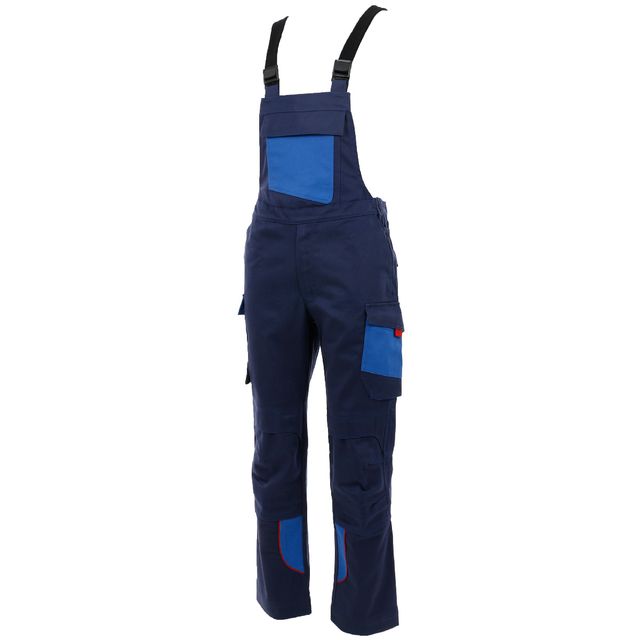
Which EN ISO standards apply to heat,
flame and welding protection?
Understanding the relevant European standards is essential when selecting protective clothing. Two key standards are EN ISO 11612 for heat and flame protection and EN ISO 11611 for welding and related processes.
EN ISO 11612 – Protective clothing against heat and flame
EN ISO 11612:2015 specifies performance requirements for protective clothing designed to protect against heat and flame hazards. Depending on its tested performance, a garment can provide protection against different types of thermal exposure.

Additional standards for workplaces with multiple hazards
Depending on the environment, protective clothing may also need to comply with additional standards, including EN 1149-5 for electrostatic properties, EN 13034 for limited protection against liquid chemicals, or IEC 61482-2 for thermal protection against electrical arcs.The combination of standards required should always be determined by the specific workplace risks and verified against the certification of the selected garment.
EN ISO 11611 – Protective clothing for welding and allied processes
EN ISO 11611 defines requirements for protective clothing worn during welding and related processes. It addresses hazards such as small molten metal splashes, brief flame contact and radiant heat from welding arcs.
Two protection classes help distinguish between different levels of welding exposure.
- Class 1: For less hazardous welding techniques and situations involving lower levels of spatter and radiant heat.
- Class 2: For more hazardous welding techniques and situations involving greater exposure to spatter and radiant heat.

your future protective clothing supplier
Our role and expertise

Manufacturing expertise
With 21 factories worldwide, our own manufacturing network provides control over garment production, quality and consistency. Protective clothing can be adapted to specific workplace requirements while maintaining the applicable CE certifications.
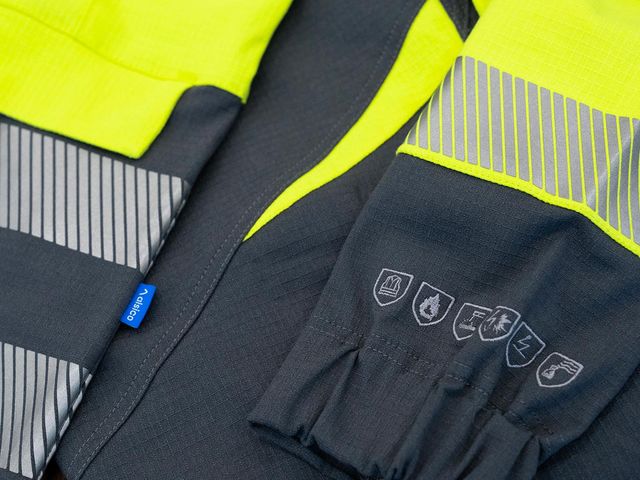
CE certification & testing
Our in-house PPE specialists and testing facilities support garment development and conformity with applicable European PPE requirements, including EN ISO 11612 and EN ISO 11611. Certified performance is verified against the relevant protection levels.
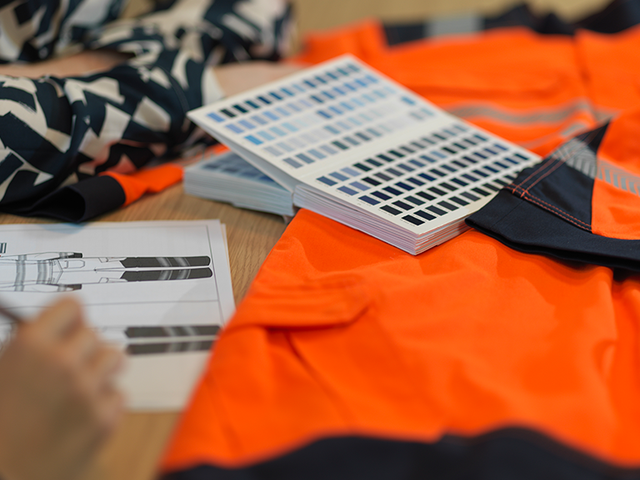
Innovation in protection
Advanced fabric technologies and technical garment design combine certified protection with comfort and freedom of movement. Materials and garments are carefully selected to meet the specific hazards and requirements of industrial working environments.
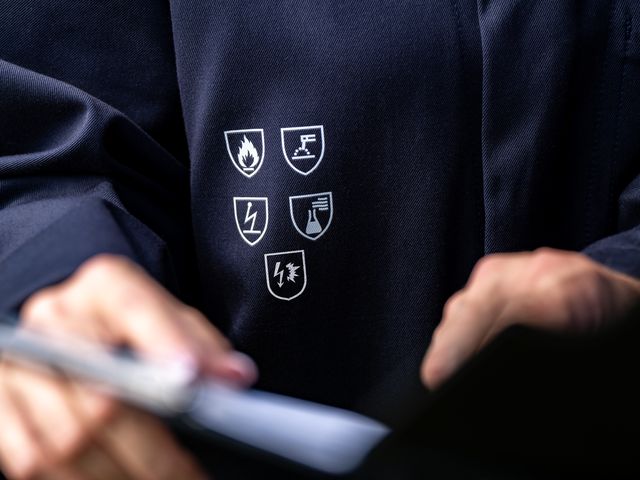
Commitment to protection
Ergonomic design, wearer trials and industrial laundering requirements are considered throughout garment development. The result is protective clothing adapted to daily tasks, movement and working conditions.
Frequently asked questions
Heat and flame protective clothing is assessed under EN ISO 11612, while welding PPE is assessed under EN ISO 11611. Welding protection covers additional hazards, including welding spatter and radiant heat from welding arcs. Some garments meet both standards.
No. Garments certified to EN ISO 11612 are not automatically suitable for welding. Clothing used for welding should meet EN ISO 11611 at the appropriate protection class.
This depends on the welding technique, expected spatter, radiant heat and working conditions. Class 1 applies to less hazardous welding situations, while Class 2 provides a higher level of protection for more demanding activities.
Yes. Certain garments combine heat and flame protection with welding, electrostatic, chemical splash or electrical arc protection. Always check the certifications of the selected garment.
Our flame-retardant garments are suitable for industrial laundering. Washing conditions and permitted cleaning cycles depend on the fabric and garment specifications. Following the manufacturer's care instructions is essential to maintaining protective performance.
Find the right protective clothing for your team
Looking for heat, flame or welding protective clothing? Our specialists can help identify suitable
garments based on your working environment, protection requirements and team needs.
get in touch
Speak with us to organise a wearer trial
Prefer to reach out directly?
If you’d like to speak with someone straight away, you’re welcome to contact any of our business developers.
-

Protective clothing specialist for Benelux
Geert Van Hecke
Tel. +32 55 23 71 71 -

Protective clothing specialist for Germany
Alexander Korth
Tel. +32 55 23 71 71 -

Protective clothing specialist for Czechia
Josef Kolář
Tel.: +420 568 839 131


You might also want to read


Protection matters: how a lightweight stretch can deliver heavy protection
Read more
How alsico’s makalu fabric is helping protect outdoor workers from skin cancer
Read more