



)
arc flash: frequently asked questions
discover everything you need to know about arc flash
At alsico, we’ve spent decades developing high-performance protective workwear designed to help keep workers safe in demanding environments. Our expertise in flame-resistant and arc-rated garments allows us to support organisations in choosing the right protection for their teams.
Whether you're new to arc flash protection or looking to ensure your current approach meets the latest standards, it’s natural to have questions. Below we’ve answered some of the most common questions about arc flash hazards, arc ratings, protective clothing and compliance to help you make informed decisions about workplace safety.
arc flash fundamentals
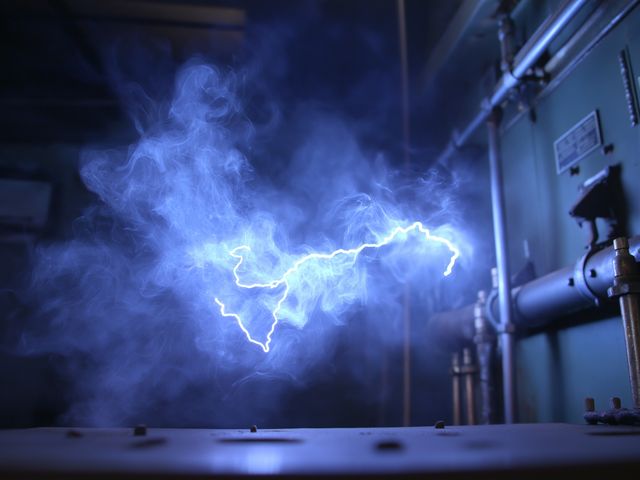
An arc flash is a sudden release of electrical energy through the air, caused when current travels between conductors or from a conductor to earth. It produces an explosive burst of extreme heat, intense light, and pressure. Temperatures can exceed 19,000 °C, vaporising metal and igniting clothing instantly. It is one of the most serious hazards for anyone working on or near live electrical equipment.
Arc flash is typically caused by a fault where current diverts from its intended path. Common triggers include equipment failure (loose connections, worn insulation, aged switchgear), human error (accidental contact with live parts, uninsulated tools, skipped lockout/tagout procedures), poor system design (insufficient conductor spacing, incorrect protective device coordination), and environmental factors (dust, moisture, rodent ingress). Read more about what causes arc flash.
An arc flash can produce temperatures exceeding 19,000 °C (approximately 35,000 °F)—nearly four times hotter than the surface of the sun. At these temperatures, metal components vaporise in milliseconds and non-arc-rated clothing can ignite or melt onto the skin. This extreme heat is why arc-rated PPE is essential for anyone working within the arc flash boundary.
Arc flash and arc blast are two different consequences of the same electrical fault. Arc flash is the intense thermal energy—extreme heat and light—that causes burns. Arc blast is the explosive pressure wave created by rapidly expanding air and vaporised metal, which can reach supersonic speeds, throw workers off their feet, and send shrapnel across the area. Both occur simultaneously, making arc events extremely dangerous.
Electric shock occurs when current passes through the body, disrupting heart rhythm and causing muscle contractions. Arc flash does not necessarily involve current flowing through the body, it is an uncontrolled energy release through the air, causing thermal burns, blast injuries, and flying debris. The protective measures differ: shock protection uses insulated tools and rubber gloves, while arc flash protection requires arc-rated PPE. A comprehensive electrical safety programme must address both hazards.
Arc flash incidents can cause severe thermal burns, burns from ignited or melted clothing, blast injuries (ruptured eardrums, concussion), eye damage from intense UV light, permanent hearing loss from sound levels exceeding 160 dB, inhalation injuries from vaporised metal and toxic fumes, and impact injuries from molten metal or shrapnel. These injuries can be life-changing or fatal. Wearing correctly rated arc flash clothing significantly reduces the severity of harm.
A typical arc flash lasts only a fraction of a second, often just milliseconds. Devastating injuries can occur before a worker has any time to react, which is why protective clothing must be in place before work begins. Properly coordinated circuit breakers and fuses can limit arc duration and reduce total incident energy.
Arc flash incidents are more common than many realise. In the UK, the HSE reports numerous electrical injuries each year, many involving arc flash. The most at-risk industries include power generation, industrial electrical maintenance, construction, petrochemicals, rail, and manufacturing. Many incidents are preventable through proper risk assessment and correctly specified arc flash PPE.
Yes. The combination of extreme heat, explosive pressure, toxic fumes, and projectile shrapnel makes arc flash one of the most lethal workplace hazards in the electrical industry. Even survivable incidents often result in life-changing injuries—severe burns, permanent hearing or vision loss, and long-term respiratory damage. Arc-rated PPE is designed to reduce burn severity to a survivable level, which is why it must be properly specified through a thorough arc flash risk assessment.
Any industry where workers interact with live or potentially live electrical equipment carries arc flash risk. The most affected sectors include power generation and distribution, industrial electrical maintenance, petrochemicals, rail and transport, construction, renewables and EV infrastructure (particularly DC systems), and data centres. Alsico designs arc flash protective clothing for all of these environments.
There is no safe voltage threshold. Arc flash incidents have occurred at voltages as low as 230 V in the UK. Even equipment operating at 400–600 V can produce dangerous incident energy levels. The severity depends not only on voltage but on available fault current, arc duration, and working distance.
An arc flash should not occur on equipment that has been correctly de-energised, isolated, and confirmed dead through approved lockout/tagout procedures. However, incidents have occurred on equipment believed to be safe due to incorrect isolation, back-feeding, residual energy in capacitors, or procedural failures. Workers should wear appropriate arc flash protective clothing during the entire de-energisation and proving-dead process, until the equipment is confirmed safe.
arc flash risk assessment & prevention
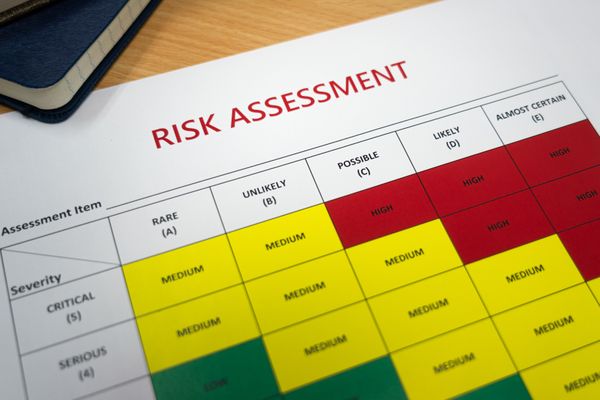
An arc flash risk assessment identifies and evaluates potential arc flash hazards at a workplace. It involves analysing electrical systems to determine where arc flash events could occur, calculating incident energy values (in cal/cm²) at each point, defining arc flash boundaries, and specifying the required level of arc flash PPE. It is a legal employer responsibility under UK regulations and the foundation for all arc flash safety measures.
There is no single mandated review interval. Best practice is to review the assessment whenever the electrical system changes—new equipment, altered fault current levels, modified protective devices, or changes to site layout. Many organisations review every three to five years as a minimum. A review should also be triggered by any arc flash incident, near miss, changes in working practices, or updates to applicable standards. Outdated assessments can leave workers under-protected.
Incident energy measures the thermal energy a worker could be exposed to at a given distance from an arc flash, expressed in cal/cm². It is calculated using system data including available fault current, protective device clearing times, working distance, and system voltage. Common calculation methods include IEEE 1584 and the NFPA 70E tables. The calculated value is then matched to PPE with an arc rating—such as ATPV or ELIM—that exceeds the predicted exposure.
The arc flash boundary is the minimum safe distance from exposed energised parts at which a person could receive a second-degree burn if an arc flash occurs. Anyone entering this boundary must wear arc-rated PPE appropriate to the incident energy level at that distance. It is calculated as part of the risk assessment and typically displayed on arc flash hazard labels attached to electrical equipment. It is distinct from shock protection boundaries.
These address different hazards. The arc flash boundary defines the distance at which thermal energy from an arc flash could cause a second-degree burn—anyone inside must wear arc-rated PPE. The limited approach boundary is a shock protection boundary—only qualified persons may cross it. Both are determined during the risk assessment and typically shown on arc flash labels. The arc flash boundary often extends further than the limited approach boundary.
Justified energised work is work on live electrical equipment that proceeds because de-energising would create a greater hazard or is not feasible—for example, diagnostic testing that requires power, or shutting down critical life-safety systems. Under UK regulations and NFPA 70E, the default is always to de-energise first. Energised work requires formal justification, a documented risk assessment, correctly rated arc flash PPE, and must be carried out by qualified personnel only.
Prevention follows the hierarchy of controls: eliminate the hazard by de-energising equipment before work begins; engineer risk out through current-limiting fuses, arc-resistant switchgear, and properly coordinated protective devices; administer controls via lockout/tagout procedures, permit-to-work systems, regular maintenance, and clear arc flash labelling; and protect workers with arc flash PPE rated to the incident energy identified in the risk assessment.
Lockout/tagout is the process of isolating equipment from its energy source, locking the isolation point, tagging it, and verifying the equipment is dead before work begins. It prevents accidental re-energisation during maintenance. Many arc flash incidents result from LOTO failures—wrong circuits isolated, steps skipped, or premature re-energisation.
An arc flash hazard label is a warning affixed to electrical equipment communicating the arc flash risk and required protection. A typical label includes the incident energy level (cal/cm²), arc flash boundary distance, required PPE category or arc rating, shock hazard data (system voltage and approach boundaries), equipment identification, and the assessment date. Labels must be updated whenever the electrical system changes.
Arc flash labelling is required whenever a risk assessment identifies that workers could be exposed to arc flash energy causing injury. This applies to most equipment operating at 50 volts or above that may require inspection, maintenance, or switching while energised. This includes control panels, switchboards, motor control centres, and distribution boards.
arc flash standards & regulations
The UK has no single arc flash law. Protection is governed by overlapping regulations: the Health and Safety at Work Act 1974 (general duty of care), the Electricity at Work Regulations 1989 (electrical systems must prevent danger), the Management of Health and Safety at Work Regulations 1999 (risk assessments required), and the PPE at Work Regulations (suitable PPE must be provided).
UK employers must assess arc flash risks, implement controls using the hierarchy of risk reduction, provide arc-rated PPE with a certified arc rating meeting or exceeding the incident energy from the risk assessment, and train workers in safe practices and correct PPE use. "Suitable" PPE means clothing tested and certified to the specific hazard, not simply labelled as flame resistant. Garments certified to EN 61482-2 provide the recognised route to demonstrating compliance.
EN 61482-2 (also known as IEC 61482-2) is the main European standard for clothing designed to protect against the thermal hazards of an electric arc. It assesses the complete garment, including seams, fastenings, zips, and threads—not just the fabric. If any component fails, the garment fails. Certification requires passing the Open Arc test (IEC 61482-1-1) or the Box Test (IEC 61482-1-2).
The Open Arc Test (IEC 61482-1-1) exposes fabric to an open electrical arc and produces numerical values—ATPV, EBT, and ELIM—in cal/cm², enabling precise matching to incident energy calculations. The Box Test (IEC 61482-1-2) confines the arc in a plaster box, assessing garments on a pass/fail basis: Class 1 (4 kA, 0.5s) or Class 2 (7 kA, 0.5s).
Class 1 and Class 2 are ratings from the Box Test (IEC 61482-1-2). Class 1 means the garment passed testing at 4 kA (168 kJ) for 0.5 seconds. Class 2 means it passed at 7 kA (320 kJ) for 0.5 seconds, suitable for higher fault current environments. However, class ratings alone don't provide the detailed energy values needed to match PPE to a specific incident energy calculation. For that level of precision, the Open Arc test results (including ATPV and ELIM values) are essential.
NFPA 70E defines four PPE categories based on minimum arc rating: Category 1 (≥4 cal/cm²), Category 2 (≥8 cal/cm²), Category 3 (≥25 cal/cm²), and Category 4 (≥40 cal/cm²). Each specifies the minimum clothing and equipment required. These categories are primarily used in North America but widely referenced internationally. In the UK and Europe, EN 61482 and incident energy analysis are more commonly used for PPE specification.
No. Class comes from the European Box Test (IEC 61482-1-2)—Class 1 (4 kA) and Class 2 (7 kA) are pass/fail ratings based on specific test conditions. Category comes from NFPA 70E—Categories 1–4 define minimum arc ratings in cal/cm². They use different testing methods, different units, and different hazard classification approaches. The two systems are not interchangeable.
EN 1149-5 specifies requirements for electrostatic dissipative protective clothing, designed to prevent static build-up that could create an ignition risk in flammable atmospheres. It matters for arc flash PPE because many electrical workers also operate near flammable gases or dusts. Arc flash garments meeting both EN 61482-2 and EN 1149-5 provide dual protection, shielding against arc flash thermal energy while safely dissipating static charge. Alsico's arc flash fabrics include an antistatic component to meet this standard.
Module D is a quality assurance accreditation under EU PPE Regulation 2016/425. While type-examination (Module B) proves a sample garment meets safety requirements, Module D proves that every garment coming off the production line is made to the same standard—verified through regular third-party audits. For arc flash clothing, this means every garment delivered to site has been manufactured consistently.
European standards centre on EN 61482-2 with garments tested via the Open Arc test (producing ATPV/EBT/ELIM values) or the Box Test (Class 1 or 2). PPE must carry CE or UKCA marking. North American standards use NFPA 70E with four PPE categories based on minimum arc rating, and garments tested under ASTM F1506/F1959. A key difference is that European practice favours incident energy analysis, while NFPA 70E also offers a simplified table method.
arc flash ratings & test methods
An arc rating measures a fabric's ability to protect the wearer from the thermal energy of an arc flash, expressed in cal/cm². It represents the maximum incident energy the material can resist before a second-degree burn would be expected. Only garments specifically tested and assigned an arc rating should be used in arc flash environments—a "flame resistant" label alone is not sufficient.
ATPV is the incident energy (cal/cm²) at which there is a 50% probability of sufficient heat transferring through the fabric to cause a second-degree burn. It is determined through Open Arc testing (IEC 61482-1-1 / ASTM F1959) by measuring thermal energy transfer against the Stoll Curve. When both ATPV and EBT are tested, the lower value becomes the garment's arc rating.
EBT is the incident energy (cal/cm²) at which there is a 50% probability of the fabric physically breaking open—developing holes or tears that expose the skin to the arc. It is determined during the same Open Arc test as ATPV. Fabrics where EBT is lower than ATPV are typically more insulative than they are strong—they resist heat transfer well but may rupture before enough energy passes through to cause a burn.
Both are determined during the Open Arc test but measure different failure points. ATPV measures the energy at which there is a 50% chance of a second-degree burn through the fabric (heat transfer failure). EBT measures the energy at which there is a 50% chance of the fabric physically breaking open (structural failure). The lower value becomes the garment's arc rating, as it represents the first point at which protection could fail.
ELIM is the maximum incident energy below which there is no recorded data point showing a second-degree burn or fabric break-open—a 0% probability of failure. ATPV, by contrast, is based on a 50% probability of a burn. ELIM therefore offers a significantly more conservative safety threshold.
ELIM represents the energy threshold at which a garment demonstrated complete protection in testing—zero probability of a second-degree burn or fabric break-open. ATPV, by contrast, accepts a 50/50 chance of a burn at the rated energy level. The European regulatory view is that this 50% risk may conflict with the EU PPE Directive's requirement that PPE should not impose harm.
The Stoll Curve is a scientifically established model predicting the onset of second-degree burns based on thermal energy exposure over time. During Open Arc testing, sensors behind the fabric measure heat transfer, which is plotted against the Stoll Curve. ATPV is the energy level at which transferred heat reaches the Stoll Curve with 50% probability. ELIM uses only values below the Stoll Curve, giving a 0% burn probability.
The Open Arc Test (IEC 61482-1-1 / ASTM F1959) exposes fabric to an open electrical arc in a controlled laboratory setting. Sensors behind the fabric measure the thermal energy that passes through, producing quantitative values, ATPV, EBT, and ELIM, in cal/cm². These allow safety managers to match PPE precisely to incident energy calculations from the risk assessment.
The Box Test (IEC 61482-1-2) confines an electric arc inside a plaster box with a specific electrode arrangement, directing a constrained exposure onto the fabric. The garment is assessed on whether it prevents flame spread, does not break open, and does not ignite. It assigns a pass/fail classification: Class 1 (4 kA, 0.5s) or Class 2 (7 kA, 0.5s). Unlike the Open Arc Test, it does not produce a numerical energy rating.
LOI measures the minimum oxygen concentration (as a percentage) needed to sustain combustion of a material. Since normal air contains approximately 21% oxygen, materials with an LOI above 21% will not sustain burning in normal conditions. Cotton has an LOI around 18% (burns readily), while modacrylic fibres sit at 29–32% and aramids at 28–30% (inherently flame resistant). LOI is useful for comparing fibre flammability but is not a substitute for full arc flash testing.
Incident energy is measured in calories per square centimetre (cal/cm²), quantifying the thermal energy reaching a given surface area at a specified distance from an arc flash. On unprotected skin, 1.2 cal/cm² is generally the threshold for a second-degree burn, which is why the arc flash boundary is defined at this level. Incident energy is calculated using system data (fault current, arc duration, working distance) and used to select arc flash clothing with an arc rating exceeding the predicted exposure.
arc flash PPE clothing
Arc flash protective clothing is specialist workwear tested under recognised standards (such as EN 61482 or ASTM F1959) and assigned a measurable arc rating in cal/cm². It absorbs and resists the incident energy of an arc flash, limiting heat transfer to the skin and preventing the garment from igniting, melting, or breaking open. A complete system typically includes coveralls, jackets, trousers, and face and hand protection.
Arc flash PPE should be worn whenever a worker operates on or near energised electrical equipment, or where a risk assessment has identified an arc flash hazard. This includes testing live circuits, operating switches and circuit breakers, racking switchgear, maintaining distribution boards, and working within the arc flash boundary of labelled equipment. It must also be worn during de-energisation and proving dead, until equipment is confirmed safe.
All arc-rated clothing is flame resistant, but not all flame-resistant clothing has an arc rating. FR clothing resists ignition and prevents flame spread, tested to standards like EN ISO 11612. AR clothing has been specifically tested under arc flash conditions and assigned a measurable arc rating in cal/cm². If an arc flash hazard exists, only AR-rated garments should be used. Always check the label for an arc rating.
Inherent FR fabrics have flame-retardant properties built into the fibre's chemical structure—permanent and unaffected by washing. Treated FR fabrics use a chemical finish applied to a non-FR base fabric (typically cotton), which can degrade through repeated laundering or incorrect detergent use. Alsico's arc flash range uses 100% inherent FR fabrics to ensure protective performance remains consistent throughout the garment's life.
Arc flash garments use specialist fibres including modacrylic (inherently FR, soft, lightweight), aramid (exceptional heat resistance and strength), cotton (blended for comfort and moisture absorption), and antistatic fibres (typically carbon, to meet EN 1149-5). Alsico's range uses inherent FR blends, typically modacrylic, cotton, aramid, and antistatic, delivering the optimal balance of protection, comfort, durability, and compliance.
Modacrylic is an inherently flame-resistant synthetic fibre with protective properties permanently built into its chemical structure. It has a high LOI (29–32%), does not melt or drip, is soft and comfortable for all-day wear, and blends well with other fibres to fine-tune fabric properties. Its protection cannot wash out or degrade.
Aramid fibres (including Nomex® and Kevlar®) offer outstanding heat resistance, a high strength-to-weight ratio, and excellent tear resistance. They char rather than melt, preventing secondary burns from molten material. In arc flash clothing, aramids add durability and thermal performance without excessive bulk.
Check for the arc rating (ATPV, EBT, or ELIM in cal/cm²), standard certifications (EN 61482-2, and the test method used), class rating (Class 1 or 2 if Box Tested), additional standards (EN ISO 11612, EN 1149-5, EN 20471 where applicable), CE or UKCA marking, and care instructions. If the label does not include a specific arc rating, the garment should not be used for arc flash protection.
Start with the incident energy values from your risk assessment. Select garments with an arc rating (ATPV or ELIM) exceeding the calculated energy, always rounding up. Ensure the entire body is covered to the same level, including face and hands. Prioritise comfort and fit to support compliance, and verify all certifications. alsico's arc flash specialists can help match garments to your assessment findings. Get in touch to find out more.
Yes. alsico offers a comprehensive bespoke design service covering logos, colourways, functional features, and fit adjustments—all incorporated during manufacturing to maintain the garment's arc rating and EN 61482-2 compliance. More than 50% of the garments alsico produces are custom-made to customer specifications.
Stretch technology incorporates elasticated or flexible fabric panels into arc flash garments to improve freedom of movement without compromising the arc rating. Traditionally, arc flash clothing was stiff and heavy—particularly problematic for climbing, bending, and overhead work. Alsico is pioneering stretch in arc flash protection, developing garments that move naturally with the body while delivering high ELIM ratings
It can—heavy, restrictive clothing causes fatigue, heat stress, and reduced PPE compliance. However, modern arc flash garments use lightweight, breathable inherent FR fabrics and ergonomic designs that allow natural movement all day.
Significant advances include lighter inherent FR fabric blends (modacrylic/cotton/aramid), improved breathability and moisture management, stretch technology for unrestricted movement, ergonomic features (articulated knees, pre-curved sleeves, gusseted construction), and dedicated men's and women's fits with broader size ranges.
When arc-rated garments are worn together, the air gaps between layers act as additional insulation, slowing heat transfer to the skin. This means a layered system typically provides greater protection than any single garment alone.
arc flash head, face & hand protection
Requirements depend on incident energy. At PPE Category 1–2, an arc-rated face shield on a hard hat with an arc-rated balaclava is typically sufficient. At Category 3–4, a full arc flash suit hood is required, enclosing the head, face, and neck entirely. A hard hat is always worn underneath, and safety glasses beneath any face shield or hood. All face and head protection must carry a verified arc rating.
An arc flash suit hood is a full head-enclosing garment made from arc-rated fabric with an integrated arc-rated visor. It covers the head, face, neck, and upper shoulders. Hoods are required at PPE Category 3 (≥25 cal/cm²) and Category 4 (≥40 cal/cm²), where the risk of severe facial and airway burns requires full enclosure. The hood must be worn over a hard hat and safety glasses, and forms part of a complete suit system with arc-rated clothing.
An arc-rated face shield is appropriate at PPE Category 1 (≥4 cal/cm²) and Category 2 (≥8 cal/cm²), where incident energy is within its tested rating. A face shield is mounted on a hard hat and protects the face, but does not fully enclose the head—an arc-rated balaclava should be worn underneath for neck and ear coverage. At Category 3 and above, a full arc flash suit hood must be used instead.
An arc-rated balaclava is a close-fitting fabric hood covering the head, neck, and portions of the face, providing thermal protection to areas a face shield misses. An arc-rated face shield is a rigid transparent visor on a hard hat, protecting the face and eyes from thermal energy, light, and debris. At PPE Category 2 and above, both are typically worn together—the balaclava covers the head and neck while the face shield protects the face.
Insulated gloves are classified by voltage, not arc flash energy: Class 00 (500 V), Class 0 (1,000 V), Class 1 (7,500 V), Class 2 (17,000 V), Class 3 (26,500 V), and Class 4 (36,000 V). These primarily protect against electric shock. When worn with leather protectors, the combination also provides arc flash thermal protection. At PPE Category 3–4, dedicated arc-rated gloves or rubber insulating gloves with leather protectors are required.
EH boots insulate the wearer from the ground, providing secondary shock protection—relevant for arc flash environments. Anti-static boots prevent static charge build-up by providing a controlled discharge path to ground, used where static could create an ignition risk. ESD boots serve a similar function but to a stricter specification for electronics environments. The key distinction: EH boots isolate you from the ground (shock protection), while anti-static and ESD boots connect you to it (static dissipation).
Arc flash pressure waves can exceed 160 dB, causing immediate and permanent hearing damage. At PPE Category 1–2, foam or flanged ear canal inserts are typically recommended—comfortable under face shields and balaclavas. At Category 3–4, inserts must be worn beneath the arc flash suit hood. Over-ear muffs can supplement inserts if they fit correctly under the hood. Hearing protection must be compatible with all other PPE and inserted before entering the arc flash boundary.
Safety glasses or goggles are mandatory at all PPE categories, providing baseline impact and UV protection. At Category 1 and above, an arc-rated face shield (on a hard hat) is also required. At Category 3–4, the face shield is replaced by a full arc flash suit hood, but safety glasses are still worn underneath. Standard non-rated face shields or glasses are not a substitute for arc-rated face protection.
arc flash PPE categories & selection
Category 1 requires a single layer of arc-rated clothing with a minimum rating of 4 cal/cm²: a long-sleeve shirt and trousers or a coverall, an arc-rated face shield (with balaclava) or arc flash hood, hard hat, safety glasses, ear canal inserts, and heavy-duty leather gloves. Arc-rated jacket, rainwear, or parka as needed. All exposed skin must be covered by arc-rated material.
Category 2 requires arc-rated clothing with a minimum rating of 8 cal/cm²: a long-sleeve shirt and trousers or a coverall, an arc flash hood or arc-rated face shield with balaclava, hard hat, safety glasses, ear canal inserts, and heavy-duty leather gloves. This is the most commonly used category in industrial settings.
Category 3 requires multiple layers of arc-rated clothing with a minimum system rating of 25 cal/cm²: jacket and trousers or coverall (usually as a tested layered combination), an arc flash suit hood rated to 25 cal/cm², rubber insulating gloves with leather protectors or arc-rated gloves, hard hat and safety glasses under the hood, and ear canal inserts. All components must be compatible and collectively rated.
Category 4 is the highest level, requiring a full arc flash suit system rated to 40 cal/cm²: multiple layers of arc-rated clothing (shirt, trousers, coverall, suit jacket, suit trousers) tested as a complete system, an arc flash suit hood, arc-rated gloves, hard hat, safety glasses, ear canal inserts, and leather footwear. If incident energy exceeds 40 cal/cm², the task is considered too dangerous for PPE alone—the hazard must be reduced first.
The incident energy analysis method uses engineering calculations (typically IEEE 1584) to determine exact incident energy at each piece of equipment, then selects PPE with an arc rating exceeding that value. It is more precise. The PPE category method uses predefined NFPA 70E tables that assign a category (1–4) based on equipment type and voltage. It is simpler but relies on generalised assumptions.
Below 1.2 cal/cm², arc-rated clothing is generally not required—this threshold is where unprotected skin is unlikely to sustain a second-degree burn. However, workers should still wear long sleeves and trousers in non-melting natural fibres (never synthetics), safety glasses, and heavy-duty leather gloves. Shock hazards still exist below this level and remain statistically more deadly. For any task above 1.2 cal/cm², properly rated arc flash clothing must be worn.
arc flash PPE care, maintenance & lifespan
Wash separately using mild detergent, free from bleach, chlorine, and fabric softeners. Use warm water (typically 40–60 °C per the label) and tumble dry on low heat or air dry. For garments made from inherent FR fabrics, the protective properties cannot wash out, regardless of laundering. Treated FR fabrics require stricter adherence to care labels to maintain protection. Always follow the manufacturer's instructions.
No. Bleach and chlorine-based products can break down FR fabric chemistry, particularly in treated fabrics, significantly reducing protective properties. Fabric softeners leave a flammable residue that can ignite under arc flash conditions, undermining the garment's protection. For all arc flash garments, inherent or treated, use only mild, non-biological detergents. If using an industrial laundry service, ensure they understand arc flash clothing requires specific handling.
Inherent FR fabrics (such as the modacrylic blends in the alsico range) have essentially unlimited wash life—protection is permanent and cannot wash out. The garment's useful life is determined by physical wear, not protection loss. Treated FR fabrics have a manufacturer-specified maximum wash count, beyond which protection is not guaranteed. This difference in durability is a key reason many organisations favour inherent FR fabrics.
Store in a clean, dry environment away from direct sunlight, chemicals, and contamination. Launder garments before extended storage—contaminants like grease or oil are flammable and should not remain on the fabric. Store flat or on hangers to avoid damaging reflective tape and fastenings. Avoid prolonged UV exposure, which can degrade fabric colour and treated finishes. Inspect any garment stored for an extended period before returning it to service with your arc flash PPE.
Replace garments showing visible fabric damage (holes, tears, thinning), burn damage or thermal exposure from an arc flash incident, contamination with flammable substances that cannot be removed, damaged fastenings or reflective tape, or exceeding the manufacturer's wash limit (treated fabrics only). The typical service life is two to five years depending on use and environment. Regular pre-use inspection catches issues early. When in doubt, replace—a new garment costs far less than a protection failure.
Carry out a quick visual check before every shift: examine the fabric for holes, tears, thinning, or scorch marks (especially at knees, elbows, and cuffs), check all seams and stitching for separation, test zips, buttons, and Velcro closures, verify reflective tape is secure and not cracked, look for oil, grease, or chemical contamination, and confirm the care label is legible and the garment is within its service life. Do not wear any defective garment, report it and arrange a replacement.
Minor seam repairs using arc-rated thread and materials, carried out by a competent person, may be acceptable if they do not compromise the tested garment design. Garments with holes, tears, burn marks, or structural fabric damage should not be repaired and returned to service. Any garment exposed to an arc flash event must be retired immediately—thermal exposure may have weakened the fabric invisibly.
arc flash PPE procurement, specification & supply
A strong specification should cover: required incident energy levels (cal/cm²) and whether you need ATPV or ELIM values, standard compliance (EN 61482-2, EN ISO 11612, EN 1149-5, EN 20471 as needed), test method requirements (Open Arc, Box Test, or both), fabric type (inherent or treated FR), garment types and functional features, sizing including men's and women's fits, branding requirements, and supplier accreditations (Module D, BSIF).
Stocked PPE is available in standard styles, sizes, and colours for fast dispatch, ideal for immediate operational needs. Custom-made PPE is designed to specific requirements—tailored fits, functional features, custom colourways, branding, and specialist designs—with longer lead times.
Lead times vary by complexity and volume. A typical bespoke project involves consultation, design and prototyping, wearer trials, refinement, then production. Straightforward customisations (branding on an existing style) are significantly faster, while a fully bespoke garment designed from scratch may take several months before production begins.
Module D (under EU PPE Regulation 2016/425) provides third-party verification that a manufacturer's production process consistently produces PPE to the approved standard—not just a sample, but every garment. It ensures consistency, accountability through regular audits, and reduced procurement risk. Not all manufacturers hold it, some rely only on type-examination (Module B), which certifies a sample, not the production line.
Manufacturers offer direct access to fabric specialists, designers, and production engineers—valuable for custom-made garments and technical guidance. Distributors offer convenience and multi-brand selection for off-the-shelf needs. Alsico operates as both: our stocked range provides immediate availability, while in-house design and manufacturing delivers fully custom solutions.
Under UK regulations, employers must provide PPE suitable for the wearer. Poorly fitting PPE creates protection gaps and reduces compliance, so it’s important to ensure it fits correctly. Look for women’s arc flash clothing designed for female body shapes rather than sized-down men’s patterns. Involve female workers in PPE trials, and check compliance with BS 30417 (inclusive PPE guidance).
arc flash PPE sustainability & end-of-life
Retired garments must never be donated, resold, or re-entered into use. Options include manufacturer take-back schemes (alsico's aRX initiative collects end-of-life garments for fibre-to-fibre recycling), controlled disposal through proper waste channels after clearly decommissioning the garment (cutting or marking to prevent reuse), and energy-from-waste facilities where fibre recycling is unavailable. The most important step is ensuring retired garments are permanently removed from circulation.
Arc flash garments use specialist fibre blends (modacrylic, aramid, cotton, antistatic) that standard textile recycling facilities cannot typically process. However, fibre-to-fibre recycling technologies are advancing. Alsico contributes through the aRX initiative, collecting end-of-life garments for recycling in cooperation with fibre-to-fibre programmes. In the meantime, responsible end-of-life management includes proper disposal, energy-from-waste where fibre recycling is unavailable and working with suppliers who have established take-back programmes.
The environmental footprint spans fibre production (energy-intensive for modacrylic and aramid), dyeing and finishing (water and energy consumption), garment assembly, transport, and end-of-life disposal. Longer-lasting garments reduce total impact—inherent FR fabrics outlast treated alternatives since protection doesn't degrade. alsico minimises impact through efficient production, sustainable fabric technologies, recycled and bio-based fibres where possible, and end-of-life collection through the aRX programme. Discover our sustainability approach.
Choose inherent FR fabrics (permanent protection means fewer replacements), prioritise garment durability (reinforced construction lasts longer), specify inclusive sizing (proper fit reduces stress-related wear), work with manufacturers demonstrating transparent sustainability practices and ethical labour conditions, and ask about end-of-life take-back or recycling schemes. alsico integrates sustainability into every aspect, from ALSIFLEX® technology (two-thirds less CO₂ than comparable fabrics) to our end-of-life garment collection.
Inherent FR fabrics are already more sustainable than treated alternatives—permanent protection means longer garment life and less waste. Alsico also invests in efficient dyeing and finishing (lower temperatures, reduced water use), lighter-weight protective fabrics with lower environmental footprint, and fabrics designed without elastane for easier end-of-life recycling. Alsico's Kibo fabric, powered by ALSIPRO technology, delivers multi-hazard protection with reduced environmental impact. Explore our innovation.
arc flash training & compliance
Arc flash training educates workers on arc flash hazards, prevention controls, and correct PPE use. It is essential for anyone working on or near live electrical equipment—electricians, engineers, maintenance technicians, utility workers, and their supervisors. It should also cover health and safety managers and procurement teams specifying PPE.
A comprehensive programme covers: a formal arc flash risk assessment, up-to-date equipment labelling, documented safe systems of work (lockout/tagout, permit-to-work), correctly rated arc flash PPE supplied and maintained to standard, regular training for all affected workers, routine PPE and equipment inspection, incident reporting and review processes, and scheduled programme reviews whenever systems, tasks, or standards change.
Best practice recommends refresher training at least every three years for qualified electrical workers. Additional training should be provided when new equipment is installed or systems modified, working procedures or standards change, workers move to roles with different arc flash risks, an incident or near miss occurs, or new arc flash PPE is introduced. Training should be documented, and competence treated as an ongoing requirement.
A qualified person has been trained in and demonstrated the skills and knowledge relevant to electrical equipment, installations, and the associated hazards. Under the Electricity at Work Regulations 1989, no person shall undertake work requiring technical knowledge unless they possess it or are under appropriate supervision. A qualified person for arc flash work can recognise hazards, follow safe isolation procedures, read arc flash labels, and correctly select and wear arc flash PPE.
accreditations

latest news
-

-
-

-
-

-
-
-

-
-
 18 December 2025
what flame retardant technologies are used in alsico’s arc flash clothing?
Read more


get in touch
